
For decades, politics in Ghana was largely perceived as a preserve of career politicians, lawyers, academics, public servants and professionals who had spent years working within political parties.
But that perception is gradually changing.
From actors and musicians to television personalities and beauty queens, a growing number of people from Ghana’s entertainment and creative industries have ventured into politics, contesting parliamentary elections, accepting government appointments and, in some cases, securing seats in Parliament.
Their journeys have not all ended in victory. Some have won elections and risen through the political ranks, while others have contested repeatedly without success.
But their participation has challenged a long-standing assumption that political leadership belongs exclusively to traditional political actors.
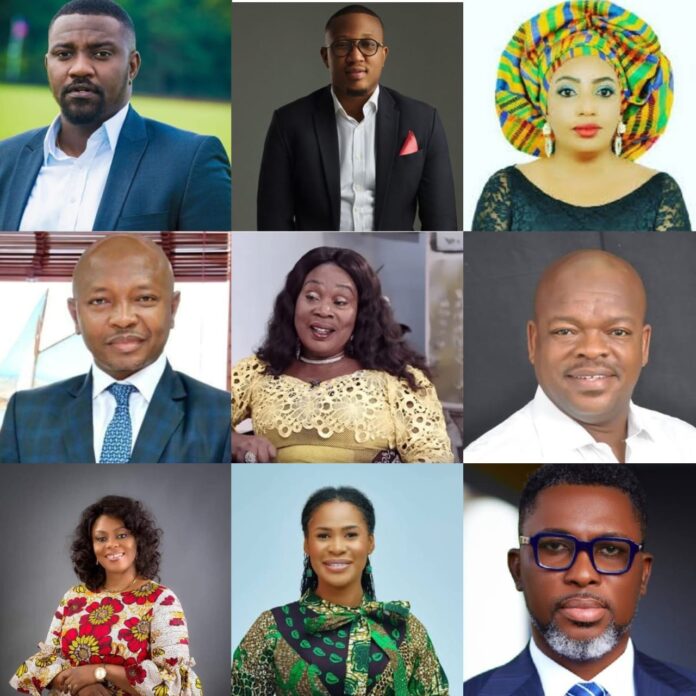
Here are 11 entertainment personalities in Ghana who made that leap.
1. John Dumelo
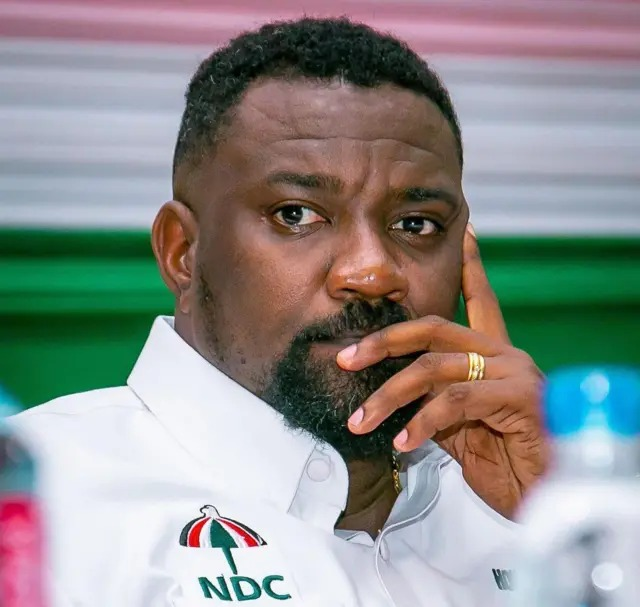
Perhaps one of the most high-profile recent examples is actor John Dumelo.
For years, Dumelo was one of Ghana’s most recognisable faces in film, building a career that gave him a large following both locally and internationally.
He made his screen debut as a child actor in Baby Thief (1991) and went on to build a career of 80+ films across Ghana and Nollywood, with notable credits including The Perfect Picture and its sequel The Maidens, A Northern Affair, The King Is Mine, 4Play, and TV soaps Sun City and About to Wed.
He also won Best Actor West Africa at FESPACO 2017.
Dumelo first contested the Ayawaso West Wuogon parliamentary seat on the ticket of the National Democratic Congress (NDC) in the 2020 general election but narrowly lost to the New Patriotic Party’s Lydia Seyram Alhassan.
Four years later, he returned to the constituency and secured a decisive victory.
In the 2024 general election, Dumelo won the Ayawaso West Wuogon seat, defeating his previous opponent and completing a transition from one of Ghana’s best-known actors to an elected legislator.
Dumelo has since taken on a government role as Deputy Minister for Food and Agriculture, further expanding his journey from entertainment into national governance.
2. Abla Dzifa Gomashie
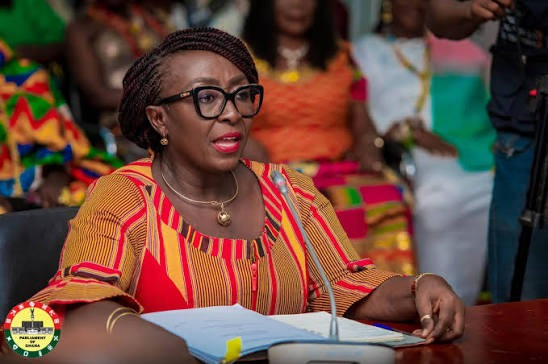
Abla Dzifa Gomashie represents another long-standing connection between Ghana’s creative arts and politics.
A veteran actress, producer and screenwriter, Gomashie began her acting career in 1985 with the Talents Theatre Company.
He was in stage plays like Black Star, Mambo, Chaka the Zulu, Jogolo, and The Third Woman. Her film credits include Ghost Tears, House of Pain, and Heart of Gold. She also wrote and produced the GTV children’s storytelling programme By the Fireside.
Her career in the creative arts eventually intersected with government when she was appointed Deputy Minister of Tourism, Culture and Creative Arts in 2013.
She later entered electoral politics and became Member of Parliament for Ketu South on the NDC ticket.
Her career has continued to bridge both worlds. She is now Minister for Tourism, Culture and Creative Arts while serving as MP for Ketu South.
3. A-Plus
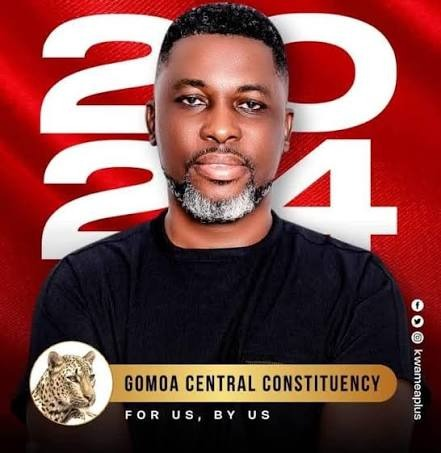
Kwame Asare Obeng, popularly known as A-Plus, has followed another route.
The hiplife musician and outspoken political commentator was already known for his strong views on national affairs before entering electoral politics.
His debut album was Freedom of Speech (2000), with the politically charged hit “Mesuro Mpo Na Merekeka Yi O.” It was followed by Freedom of Speech II (2001), and later hits like “Mframa” (2012) and “Abɛn Bɛ Bom” (2016). He is also known for the controversial track “Letter to Parliament.”
In the 2024 general election, he contested the Gomoa Central parliamentary seat as an independent candidate and won, securing his place in Parliament.
His victory was notable because it came outside the traditional two-party structure that has dominated Ghanaian parliamentary politics.
4. Grace Omaboe (Maame Dokono)
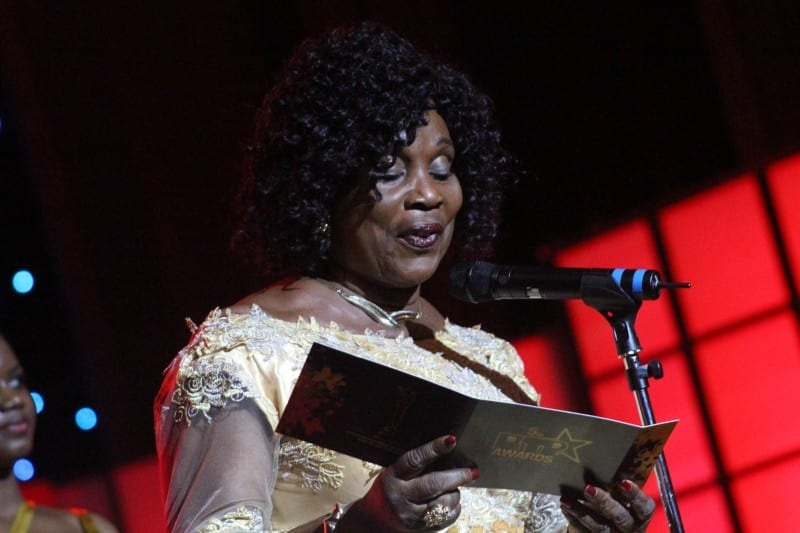
For veteran actress Grace Omaboe, popularly known as Maame Dokono, the journey into politics began much earlier.
Known for her iconic roles in Ghanaian television, particularly Obra and By the Fireside, Maame Dokono became a household name long before she entered electoral politics.
She also starred in over 50 movies across her career, notable among them are Kwaku Ananse (2013), Children of the Mountain (2016), My Very Ghanaian Wedding (2017), and P Over D (2019).
She first contested the Birim North parliamentary seat on the ticket of the NDC in 2000. She later returned to contest the same seat on the NPP ticket, but was unsuccessful on both occasions.
Her political journey demonstrates that celebrity recognition does not automatically translate into electoral victory.
Despite her popularity, she faced the same realities that confront other political candidates: party structures, constituency dynamics, competition and voter preferences.
By 2018, Maame Dokono indicated that she no longer intended to remain actively involved in politics.
5. Bice Osei Kuffour (Obour)
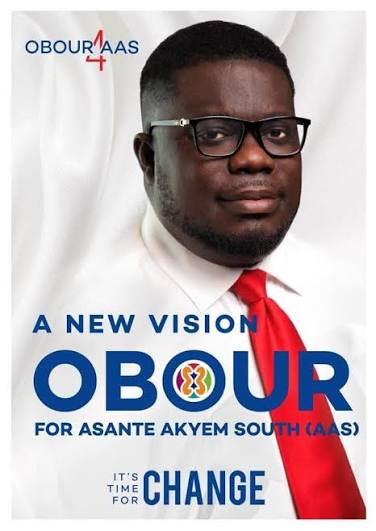
For hiplife musician Bice Osei Kuffour, popularly known as Obour, the decision to enter politics was rooted in a desire to contribute to the change he wanted to see in society.
His albums include Atentenben, Akademu, Dondo and Atumpan, with hit singles “Nana Obour,” “Konkontiba” (featuring Samini), “Shine Your Eye,” and “Oko Aba.” He swept five awards at the 2005 Ghana Music Awards.
The former President of the Musicians Union of Ghana (MUSIGA) publicly announced his political ambitions in January 2020 when he declared his intention to contest the New Patriotic Party’s parliamentary primary in the Asante Akyem South Constituency.
Obour’s move was significant because he was not only a well-known musician but had also served as the leader of Ghana’s umbrella body for musicians, giving him extensive experience engaging with issues affecting the creative industry.
However, his first attempt to enter Parliament ended in defeat.
In the NPP’s 2020 parliamentary primary, he contested the incumbent Member of Parliament, Kwaku Asante Boateng. Obour polled 280 votes, representing 32.86 per cent, while the incumbent secured 522 votes, representing 61.27 per cent.
He was subsequently appointed Secretary to the NPP 2020 Campaign Ashanti Region Advertising Committee.
His political journey took another turn in December 2021 when President Nana Addo Dankwa Akufo-Addo appointed him Acting Managing Director of Ghana Post.
In the 2024 NPP parliamentary primaries, Obour again challenged Kwaku Asante Boateng for the Asante Akyem South candidacy. The incumbent once again secured the party’s nomination, leaving Obour without a parliamentary ticket.
Despite the repeated defeats, Obour has maintained that his decision to enter politics was driven by his belief in change rather than simply the pursuit of political office.
6. Sena Okity-Duah
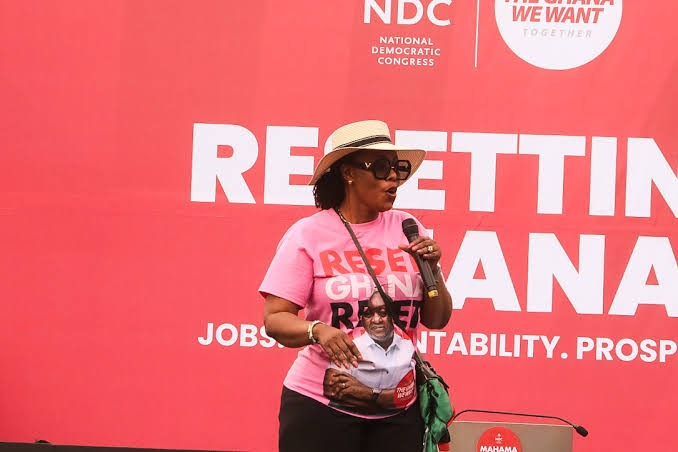
Benita Sena Okity-Duah’s political journey also began outside traditional politics.
After winning the Miss Ghana crown in 1997, Okity-Duah built a public profile that extended beyond beauty pageants.
In 2012, she became the first former Miss Ghana titleholder to enter Parliament after winning the Ledzokuku seat on the NDC ticket.
She defeated several party stalwarts during the parliamentary primary before going on to win the general election.
Her parliamentary career, however, was not permanent. She lost the Ledzokuku seat in the 2016 election.
Years later, she returned to public service, with an appointment as Coordinator of the Free Senior High School Secretariat.
7. Ebi Bright
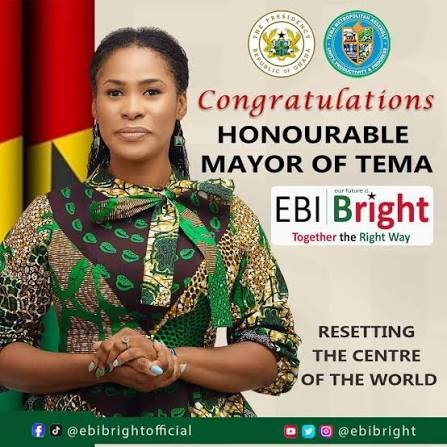
Actress Ebi Bright also transitioned from the entertainment industry into active politics.
Before politics, she appeared in over 20 films, including The Unknown, Single Six, Somewhere in Africa, Reason to Kill, The Game, and TV series like Hotel Babylon and Deadline.
She became the NDC’s parliamentary candidate for the Tema Central constituency and contested the seat against the NPP’s Kofi Brako.
Although she did not win the parliamentary seat, her political career continued.
In May 2025, Bright made history when she was sworn in as the first female Metropolitan Chief Executive of Tema.
For her, the path from acting did not lead directly to Parliament but eventually opened the door to local government leadership.
8. Ras Mubarak
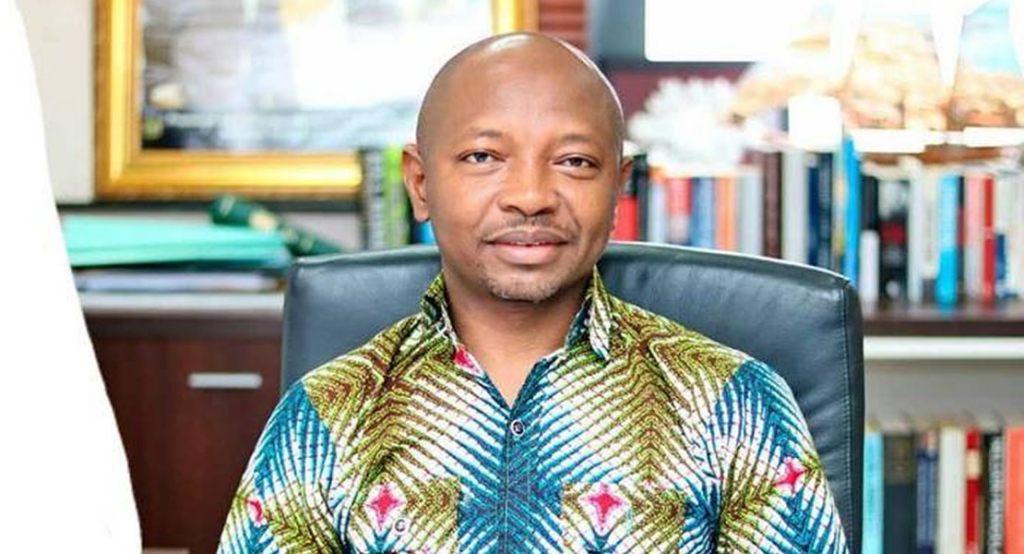
Ras Mubarak also brought a media and entertainment background into national politics.
Before entering Parliament, he worked as a reggae presenter at the Ghana Broadcasting Corporation, gaining experience in both radio and television.
His first attempt at parliamentary politics came when he contested the NDC parliamentary slot for Ablekuma North in 2011.
He won the party’s primary but lost the 2012 general election.
Undeterred, he later contested the NDC parliamentary primary in Kumbungu and won the seat in the 2016 general election.
9. Baba Sadiq
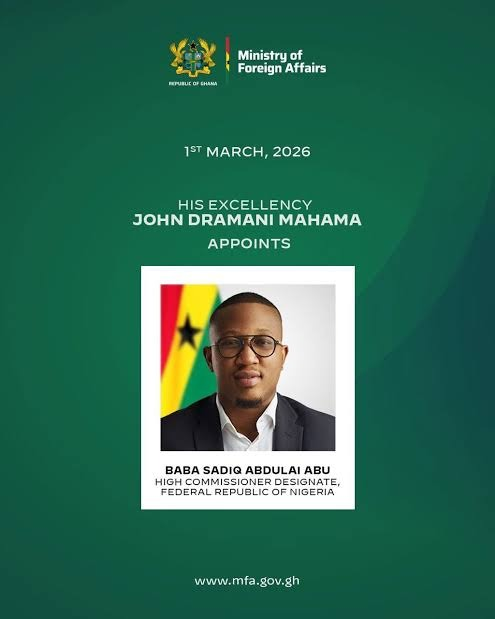
Music entrepreneur Baba Sadiq Abdulai Abu is another prominent example of a creative industry personality entering electoral politics.
As the former CEO of the 3Music Awards, Baba Sadiq had established himself within Ghana’s music and entertainment industry before seeking elected office.
He contested the Okaikwei Central parliamentary seat on the NDC ticket in the 2024 general election.
The contest became one of the most closely watched parliamentary races following an initial declaration in his favour.
However, a subsequent court-ordered recollation of votes confirmed Patrick Yaw Boamah of the NPP as the winner.
Despite the electoral setback, Baba Sadiq’s political journey has continued. President John Dramani Mahama has since nominated him as Ghana’s High Commissioner-designate to Nigeria, subject to the required processes.
10. Kwame Dzokoto
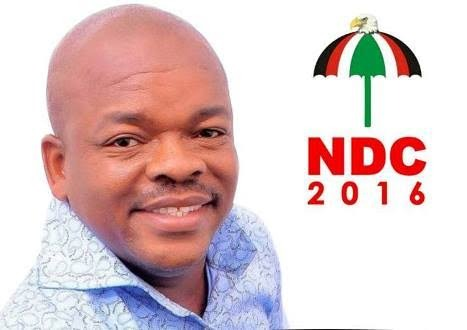
Actor and broadcaster Seth Kwame Dzokoto also moved from entertainment into partisan politics.
Dzokoto became widely known as the host of TV3’s Edziban, a programme that explored Ghanaian food, restaurants and cuisine. He also featured in the very popular Efiewura series
His popularity on television eventually opened the door to political involvement.
In 2014, he was elected Deputy Propaganda Secretary of the NDC in the Tarkwa-Nsuaem Constituency.
Two years later, he contested the parliamentary seat as the NDC candidate.
Although he failed to win the election, Dzokoto remained politically active and continued to demonstrate his commitment to the party.
11. Diamond Appiah
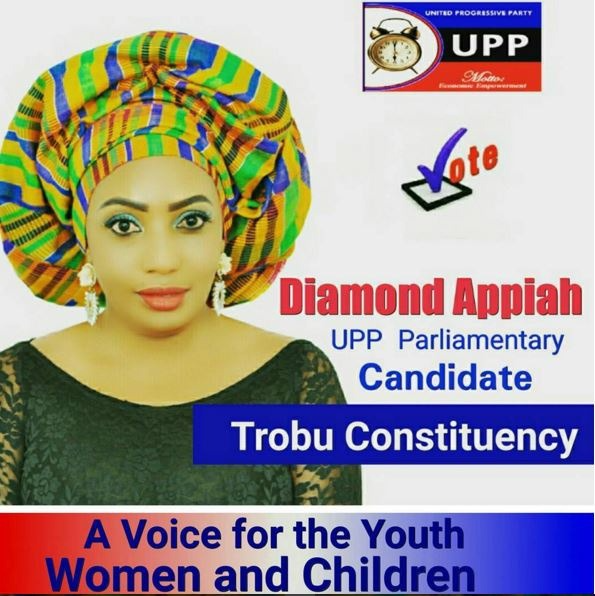
Singer and actress Diamond Appiah also ventured into parliamentary politics.
She appeared in movies like Amsterdam Diary (2005) and Babynayoka (2006).
She entered the music scene with her debut album Kase Kyere Wo Kunu, a hiplife classic and is also known for the single “Taste My Apple,” featuring Stay Jay.
Appiah contested the Trobu parliamentary seat on the ticket of the United Progressive Party in 2016.
She was unsuccessful in her attempt to enter Parliament.
Her political involvement, however, reflected a broader trend in which entertainers use their public visibility to pursue political ambitions.
Breaking the stereotype
For some, the motivation is a desire to influence policies affecting their communities and the creative industry. For others, years of public visibility offer a ready-made platform to launch political campaigns.
Actors, musicians and television personalities often already have what many politicians spend years building: a recognisable name and a direct connection with large audiences.
Their growing presence in Ghanaian politics challenges the assumption that leadership belongs only to those who have spent their careers inside political parties.
But the transition comes with scrutiny. Celebrity status may open doors, but entertainers are ultimately judged on the same terms as every other politician: leadership, policy, accountability and delivery.
The real test is not whether an actor, musician or media personality can win an election. It is whether they can turn the influence built on stage or screen into effective representation and public service.
For Ghana’s creative personalities, the journey from stage and screen to the political arena is no longer unusual. The road to Parliament, it turns out, can begin in a film studio, behind a microphone, on a television set, or even on a beauty pageant runway.
READ ALSO:
Neglected or delayed? Ghana’s creative arts industry awaits promised support