
For years, Journalism and politics have always shared a complicated relationship in Ghana. Journalists have occupied a unique position in Ghana’s democratic landscape. They question politicians, scrutinise government policies, moderate public debates and give citizens a platform to demand accountability.
But what happens when the person holding the microphone decides to leave the media space and step into the political arena?
Journalistic ethics demand independence, fairness and objectivity. Journalists are expected to report on political parties and public officials without allowing personal interests or political affiliations to influence their work.
Under the Ghana Journalists Association (GJA) Code of Ethics, independence is a core professional pillar. Journalists must maintain editorial independence and freedom from interference, pressure, or improper influence by the state, commercial lobbies, or media owners, ensuring their allegiance remains focused on the public interest.
Yet, throughout Ghana’s political history, several prominent media personalities have transitioned from journalism and broadcasting into active politics.
For some, the move has been driven by a desire to influence policy and create change from within government. For others, it has meant contesting parliamentary elections, taking up party positions or accepting political appointments.
Their journeys have, however, raised an enduring question: Can a journalist who has spent years holding politicians accountable successfully become one of the people being held accountable?
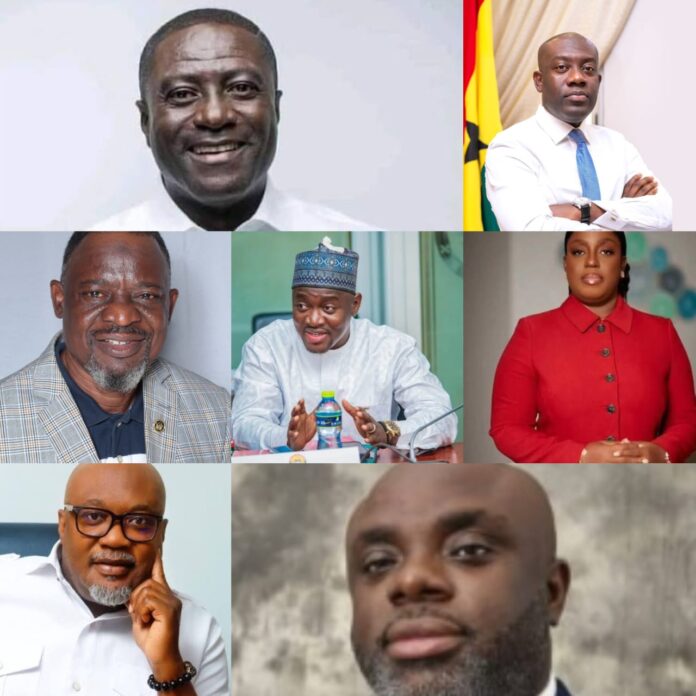
Here are some prominent Ghanaians who transitioned from journalism to politics.
1. Fritz Baffour
Fritz Baffour is among the notable Ghanaian media personalities whose career moved from journalism into mainstream politics.
A journalist, politician and communications consultant, Baffour built an extensive career in television production long before entering Parliament. He worked as a producer and director for Ghana Television, as well as for Liberian and Nigerian television, and for production houses in the UK and US, including Tyne-Tees TV, Diverse Production and Back to Back Productions.
He later became a media consultant, serving in that capacity for former President Jerry Rawlings and the National Democratic Congress.
He subsequently represented the Ablekuma South Constituency in Parliament from 2009 to 2017 and served as Minister for Information during the Mills administration.
As Information Minister, Baffour was no longer simply interpreting government policy for the public. He became one of the government’s principal voices, responsible for communicating its policies and defending its record.
His journey demonstrates how the communication skills acquired in journalism can become valuable political capital.
2. Kojo Oppong Nkrumah
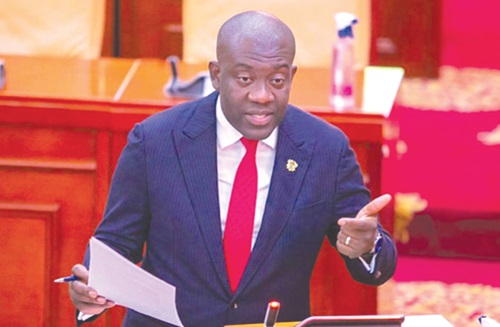
Few transitions from Ghana’s media industry into politics attracted as much attention as that of Kojo Oppong Nkrumah.
Before entering politics, Oppong Nkrumah was a familiar voice on Joy FM, where he hosted the station’s influential Super Morning Show. He also hosted NewsFile on JoyNews. He had established himself as a respected broadcaster and public affairs commentator, making his decision to leave the media in 2014 unexpected to many.
There was little public indication that the broadcaster was preparing to abandon a successful media career for partisan politics.
But Oppong Nkrumah later explained that his decision was motivated by a desire to have a greater impact on people’s lives.
In 2016, he contested the Ofoase-Ayirebi parliamentary seat on the ticket of the New Patriotic Party (NPP) and won.
His political career quickly progressed. He was appointed Deputy Minister for Information in 2017 before becoming Minister for Information in November 2018.
3. A.B.A. Fuseini
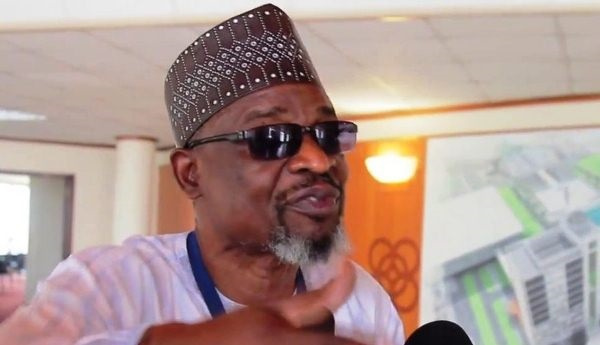
Alhassan Bashir, popularly known as A.B.A. Fuseini, is another prominent example.
A former journalist and member of the National Democratic Congress (NDC), Fuseini spent 25 years in newsrooms before entering politics.
He served as Night Editor at the Graphic Communications Group, publishers of the Daily Graphic, from 1987 to 2012, and holds a postgraduate diploma from the International Institute of Journalism in Berlin.
He went on to serve as the Member of Parliament for Sagnarigu in the Northern Region.
His background in journalism gave him extensive experience in public communication and political discourse before he entered Parliament.
4. Kwabena Agyei Agyepong
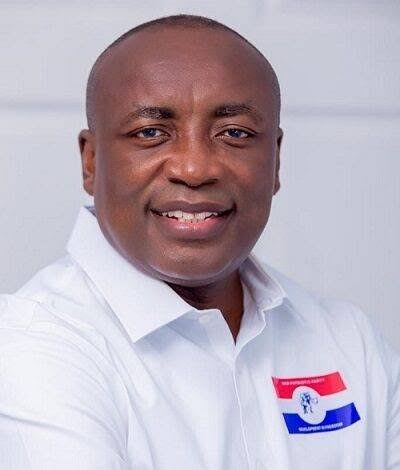
Kwabena Agyepong, though trained as a civil engineer, built a career as one of Ghana’s most recognisable sports broadcasters before moving fully into politics.
He hosted GTV’s primetime programme Sports Highlights through the 1990s, covering major events including the Seoul 1988, Barcelona 1992 and Atlanta 1996 Olympic Games.
Agyepong’s political involvement grew alongside his broadcasting career, and he played active roles in NPP presidential campaigns from 1992 onward. He went on to serve as Press Secretary and Spokesperson to President John Kufuor from 2001 to 2006, later becoming General Secretary of the NPP.
He has contested the NPP presidential primaries twice, including a bid for the 2028 general election.
5. Alhassan Suhuyini
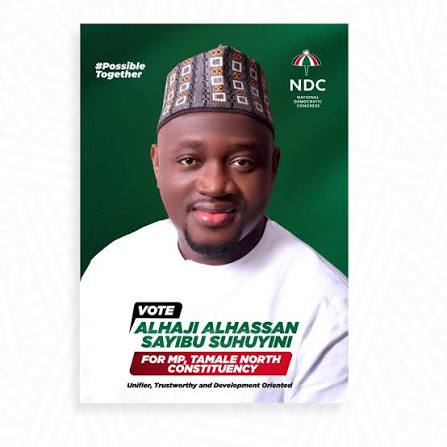
For Alhassan Suhuyini, the journey from broadcasting to politics was equally significant.
Suhuyini began his journalism career at Diamond FM in Tamale, then moved to Accra, where he had stints at Citi FM and Metro TV before settling at Radio Gold.
His strong performance as a radio talk-show host earned him recognition from listeners, winning the Talk Show Host of the Year award at the Ghana Radio and Television Personality Awards in 2011, 2012 and 2013.
He eventually left broadcasting for partisan politics and was elected Member of Parliament for Tamale North on the NDC ticket.
The transition was perhaps a natural progression for someone whose career had been deeply rooted in political discussion and public affairs.
6. Obuobia Darko-Opoku
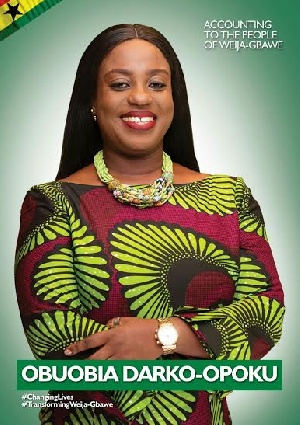
Obuobia Darko-Opoku also made the transition from broadcasting to active politics.
She was a television presenter with TV Africa, where she hosted Breakfast Live. She later became involved in partisan politics and contested the Weija-Gbawe parliamentary seat on the NDC ticket in the 2012 and 2016 elections.
Although she did not win the seat, her political involvement continued. In 2019, she was appointed Deputy National Communications Director of the NDC. She is currently the Administrator for the Ghana Medical Trust Fund.
Her journey demonstrates that the transition from media to politics does not necessarily end with winning an election. For some former media personalities, party communication and organisational roles become the next stage of their political careers.
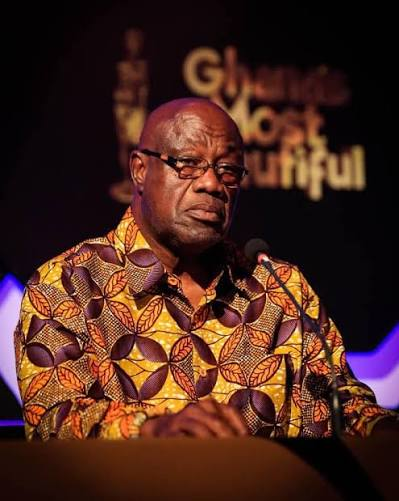
7. Gideon Aryeequaye
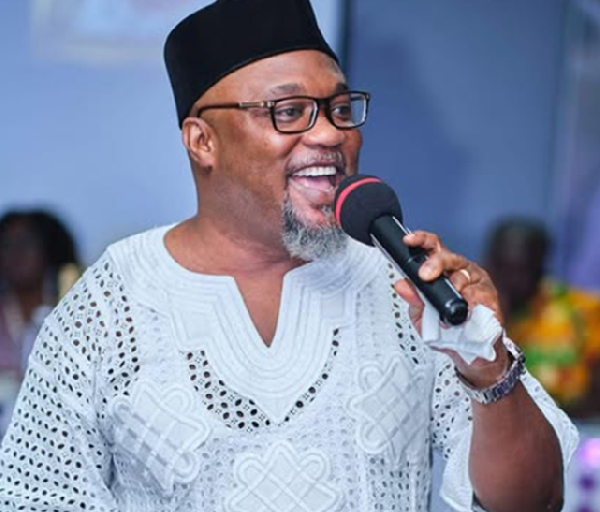
Gideon Aryeequaye is another familiar name in Ghana’s media and political history.
Aryeequaye served as Head of News at ETV and also hosted the popular television programme Ghana’s Most Beautiful on TV3. He was also a News anchor for several years.
His political ambitions began earlier, when he contested the NDC parliamentary primaries for the then Weija Constituency in 2008 but lost.
He made another attempt in 2012 in the Bortianor-Ngleshie-Amanfrom constituency but was unsuccessful again.
Despite not winning a parliamentary seat, Aryeequaye later entered public administration. During the John Dramani Mahama administration, he was appointed Director of the Ghana Tourism Authority.
His appointment was subsequently affected by the change of government in 2017.
8. Kojo Frimpong
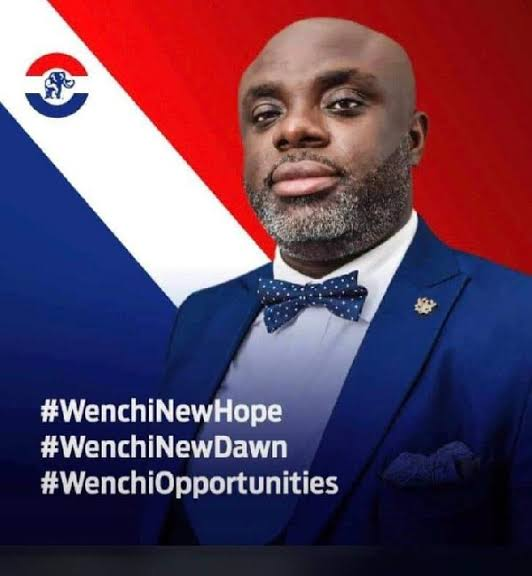
Kojo Frimpong, a former television personality and sports presenter, also sought to translate his media career into parliamentary politics.
Frimpong had a long association with radio and television in Ghana, working with Skyy Power FM in Takoradi, Joy FM, TV3 and Viasat 1 TV. His last job in broadcasting was at TV Africa, where he served as Chief Operating Officer of the station and hosted Ghana Tonight, a political analysis programme.
He won recognition as both a sports journalist and lifestyle presenter, and was named Best TV Show Host in 2014 and 2015 at the Radio and Television Personality Awards.
Having built that career, Frimpong developed an interest in representing the people of Wenchi on the NPP ticket.
He contested the party’s parliamentary primary but lost to the incumbent, Professor George Yaw Gyan-Baffour.
Although his parliamentary ambition did not materialise, Frimpong later secured an appointment at the Minerals Income Investment Fund (MIIF), allowing him to continue his career in public service.
9. Jefferson Sackey
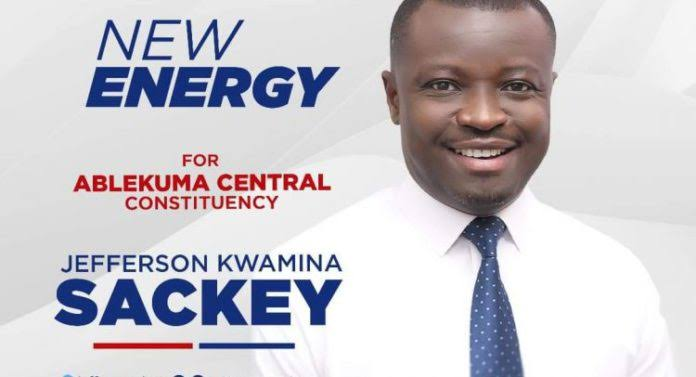
Jefferson Kwamina Sackey, a journalist, media consultant, filmmaker and public relations strategist, is another example.
Sackey began his journalism career at TV Africa in 2003 as a news reporter. A defining moment came in 2005, when he won a scholarship to train at the DW Television Training Centre in Berlin, a move that opened doors for him with international broadcasters. He went on to spend close to six years reporting from conflict zones across Africa and beyond, including the frontlines in Libya, for CNN, Germany’s DW-TV and Canada’s CBC, through his programme “International Assignment.”
He later joined the Multimedia Group in 2011 to boost its Midday News, before being appointed Vice President of Afroglobal Television in Canada in 2015.
Sackey served as Deputy Director of Communications at the Office of the President under the Nana Addo Dankwa Akufo-Addo administration.
He later moved closer to electoral politics, contesting the NPP parliamentary primary in the Ablekuma Central Constituency.
Sackey won the party’s parliamentary primary, emerging as its candidate for the constituency.
However, his attempt to move from presidential communications to Parliament ultimately fell short in the 2024 general election, when he was unable to unseat the incumbent, Latif Dan.
10. Captain Smart: Another broadcaster eyes Parliament
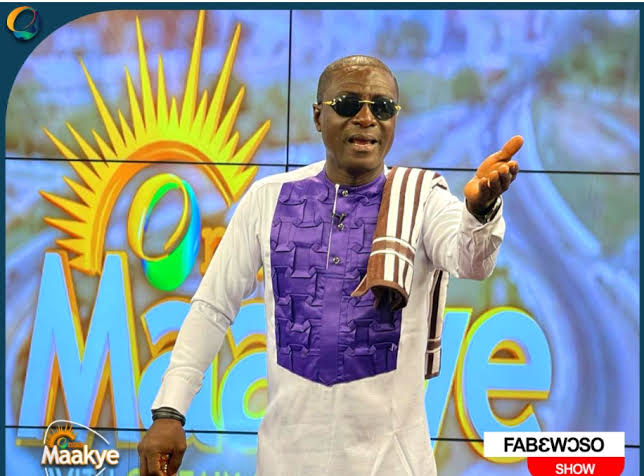
The movement from the microphone to partisan politics continues.
Broadcaster Blessed Godsbrain Smart, popularly known as Captain Smart, has announced plans to contest for the NDC parliamentary nomination in the Gomoa West Constituency of the Central Region ahead of the 2028 general election.
Captain Smart, a well-known morning show host on Onua TV/FM, has built a reputation for outspoken commentary on national issues. Before joining Media General, Captain Smart worked with other media houses such as Adom FM, Angel FM, Otec FM and Fox FM, among others.
His political ambition has once again brought the debate over journalists entering partisan politics to the fore.
Where does journalism end and politics begin?
The movement of media personalities into politics is not unique to Ghana. Globally, journalists, broadcasters and political commentators have crossed into political office.
The attraction is understandable. Years spent interviewing politicians, analysing policies and engaging communities give journalists visibility, communication skills and insight into public concerns.
But the transition comes with complications.
Once a journalist becomes politically active, questions may arise about their previous reporting, opinions and perceived neutrality. Public trust can also be tested as audiences reassess their past work through the lens of their political affiliation.
Supporters, however, argue that journalism and politics share a commitment to public service and engagement with societal issues. The key difference is the role.
Ultimately, the issue is not whether journalists should enter politics, but whether they do so transparently and respect the ethical boundaries of their new role.
Because once the journalist leaves the newsroom for the political arena, the microphone may remain, but the role has fundamentally changed.
The person who once asked the questions, is the one now expected to answer them.
READ ALSO:
Neglected or delayed? Ghana’s creative arts industry awaits promised support
Societal pressure on northern women: Balancing culture, marriage, education and opportunity