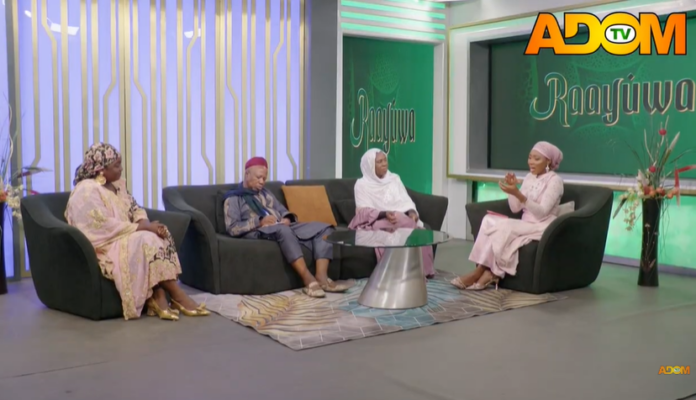

For many women in northern Ghana, growing up often means navigating expectations that extend far beyond school or career ambitions.
While opportunities for education and economic empowerment have expanded over the years, many young women still grapple with societal pressure to prioritise marriage over personal development.
In 2026, conversations around women’s empowerment continue to gain momentum, yet some cultural beliefs remain deeply rooted.
For many young women, discussions about higher education or career advancement are still met with a familiar response: “You need to find a husband first.”
The persistent expectation has sparked debates about whether a woman’s worth should still be measured primarily by marriage, or whether she should be free to pursue education, financial independence and personal fulfilment alongside family life.
Culture, religion and changing perceptions
Assistant Headteacher of Al-Mustapha Ibaadu-Rahman Educational Complex, Imam Aziz Sama-M, believes many of the expectations placed on women stem from historical cultural practices rather than religious teachings.
“Everyone has a culture or tradition. Religion came after culture, and sometimes the two clash. In some cases, culture and religion promote the same values, while in others, culture has been mistaken for religion,” he explained.
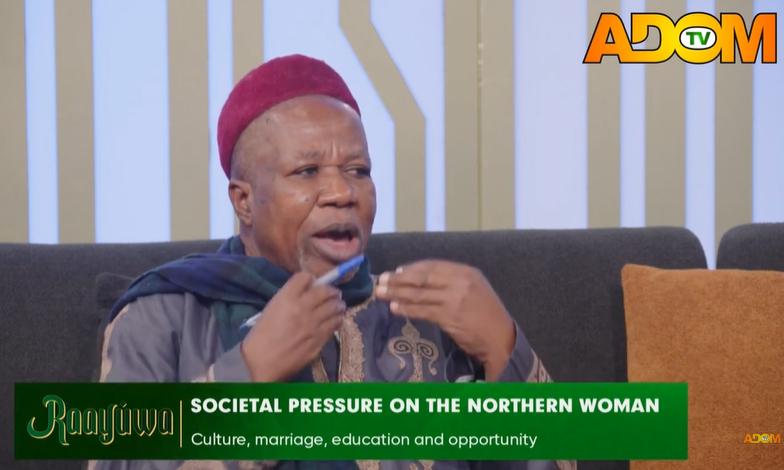
According to him, in earlier societies, success was measured by the size of one’s family rather than educational achievement because communities depended largely on farming.
“In those days, the more children a family had, the larger the farm they could manage. Women were given different roles because they were not expected to work on the farms. That is where the perception that a woman’s place is in the kitchen originated,” he said.
He stressed that while men and women have biological differences, they are equal in the eyes of God and deserve equitable opportunities.
“You cannot abandon your culture, but you must examine it through the lens of values. Education begins at home. Parents who value education are more likely to raise children who appreciate it.”
He added that education today extends beyond the classroom and is essential for every child.
“In the 21st century, if a child is denied education, they become a burden on the family, the community and society. Unfortunately, some parents fear education will make their children abandon their traditions, so they deny them opportunities.”
Economic hardship fuels early marriage
Teacher Meimunatu Iddrisu Azaah says economic deprivation and limited educational opportunities continue to reinforce early marriage in parts of northern Ghana.
“One of the biggest challenges in northern Ghana is poverty, coupled with a lack of education. Because of these circumstances, some communities still believe girls as young as 14 should be married,” she said.
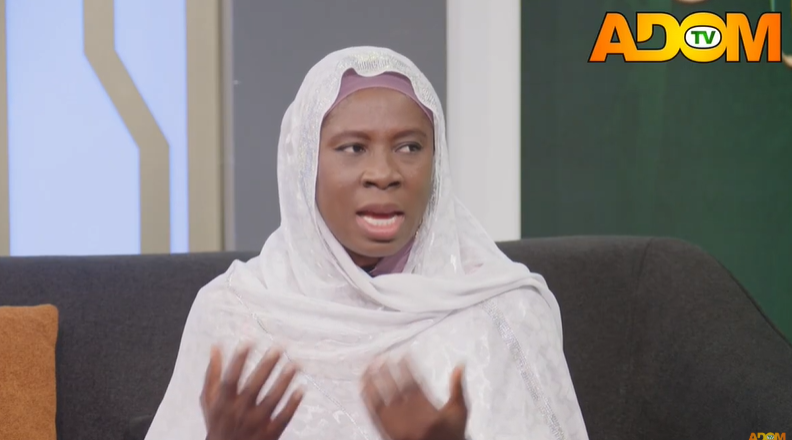
She noted that many young women migrate to southern Ghana in search of work to escape financial hardship or forced marriages.
“Some girls are forced into marriages they do not want. Even when they try to leave, some parents send them back.”
While acknowledging that culture is important, she believes harmful stereotypes continue to hinder development.
“Not all culture is bad. Culture is valuable, but when people believe women do not need education, it holds society back.”
According to her, some parents also see early marriage as a solution to teenage pregnancy or compare their daughters to peers who are already married.
“Marriage should never be rushed. You can marry early and not enjoy it, or marry later and have a successful marriage. Girls should be allowed to pursue their dreams and marry when they are mature enough to make informed decisions.”
She believes women should be empowered to make those choices independently.
“If we educate society about the disadvantages of child and early marriage, parents will understand that allowing girls to complete their education benefits everyone.”
Choosing both education and marriage
For hairstylist and influencer Nasiba Anass, who married in her early twenties, marriage and education should not be seen as mutually exclusive.
“There is pressure on young people to get married, but there isn’t the same level of pressure to pursue education,” she said.
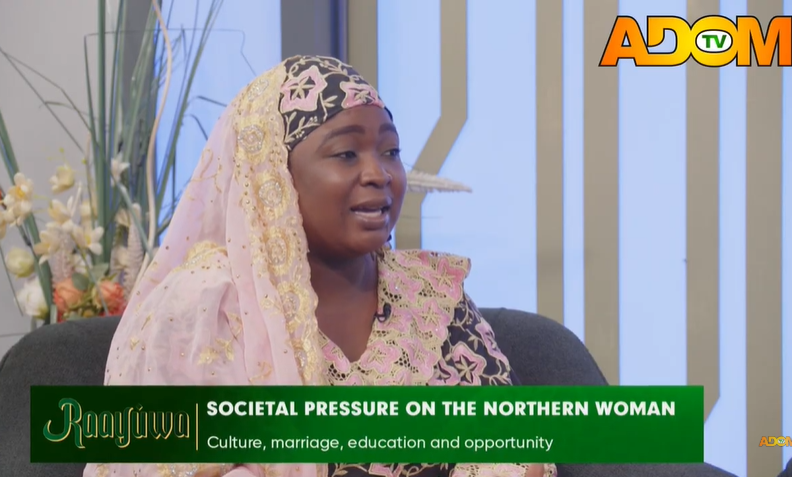
Nasiba said she learnt hairdressing while in senior high school and received many questions after marrying soon after graduation.
“People kept asking why I got married instead of continuing my education. But I believe marriage should not stop a woman from furthering her education.”
She explained that she has postponed further studies while pursuing other personal goals.
“I still have many things I want to achieve, so I have put education on hold for now.”
She also recalled how relatives frequently compared her with friends who had not yet married.
“Everyone has different perspectives. Some people believe a woman’s greatest achievement is marriage, so they pressure young women into it.”
Her advice to young women is to prioritise self-development while making decisions based on their own aspirations.
“As a woman, build yourself first. Then decide what is best for you. You can have both education and marriage if that is what you want.”
A changing narrative
Although attitudes are gradually evolving, advocates say changing long-held beliefs requires continued education, economic empowerment and community engagement.
Many argue that empowering girls through education does not diminish cultural values but rather strengthens families and communities.
As more northern women pursue careers, businesses and leadership roles while also building families on their own terms, they are challenging stereotypes that have persisted for generations.
For these women, the question is no longer whether they should choose between marriage and education. Instead, they are asking why they should have to choose at all.
READ ALSO:
The men defying the odds: Spotlighting the resilience and success of men in female-dominated…