
The Ghana National Association of Teachers (GNAT) has called for urgent measures to strengthen Ghana’s special and inclusive education system, particularly through the training and deployment of more specialist teachers.
According to GNAT, quality inclusive education cannot be achieved without teachers who are adequately equipped to meet the diverse learning needs of children with disabilities.
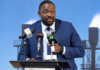
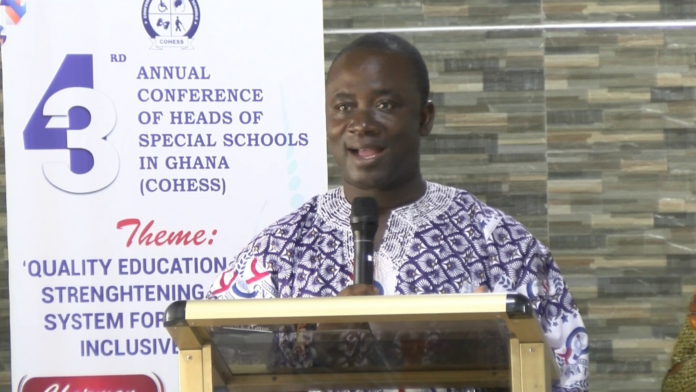
Delivering a solidarity message on behalf of the General Secretary of GNAT at the 43rd Conference of Heads of Special and Inclusive Schools (COHESS) in Nungua, Accra, Head of Organisation and Strategy at GNAT Headquarters, Dr Nicholas Taylor, said the country must reposition Colleges of Education to produce more specialist teachers.
He said there was a need for more teachers trained in Braille, Ghanaian Sign Language and low-vision therapy, while regular teachers must also be retooled to effectively support learners with special educational needs.
“Every teacher must be an inclusive teacher,” Dr Taylor stressed.
Inclusion is a right, not charity
Dr Taylor said the theme for the conference — “Quality Education for All: Strengthening Support Systems for Special and Inclusive Schools” — goes beyond a conference slogan, describing it as both a constitutional responsibility and a moral obligation.
He stressed that inclusive education should not be viewed as charity, but as a matter of justice and Ghana’s commitment to Sustainable Development Goal Four, which calls for inclusive and equitable quality education for all.
He also acknowledged the important role of COHESS in promoting the welfare of teachers and learners in special and inclusive schools.
GNAT, he noted, has granted COHESS representation on its National Executive and National Council because of the organisation’s significant contribution to the education sector.
‘Stigma can be more damaging’
Dr Taylor also drew attention to the stigma faced by children with disabilities, warning that negative attitudes can become a major barrier to education.
He urged parents and communities to embrace children with disabilities instead of hiding them.
According to him, when parents hide children because of stigma, their access to learning is restricted, but when communities accept them, opportunities for learning and development increase.
Special education needs more funding
GNAT also called for a funding system that recognises the additional resources required to educate children with disabilities.
Dr Taylor recommended that COHESS advocate for a weighted capitation or intervention grant formula that takes into account the higher cost of educating learners with intellectual and other disabilities.
He argued that although inclusive education may require significant investment, the cost of excluding children with disabilities from quality education is far greater.
‘You are changing Ghana’
In his closing remarks, Dr Taylor commended heads and teachers of special and inclusive schools for their work, describing their contribution as difficult, often unseen and underappreciated.
He encouraged them to remain committed to creating learning environments where every child feels welcomed and supported.
The 43rd COHESS Conference was held under the theme “Quality Education for All: Strengthening Support Systems for Special and Inclusive Schools.”
The conference brought together stakeholders in special and inclusive education to deliberate on ways to improve support systems and ensure that learners with special educational needs receive quality education.
GNAT says the goal must be clear: no child should be left behind because of disability.