
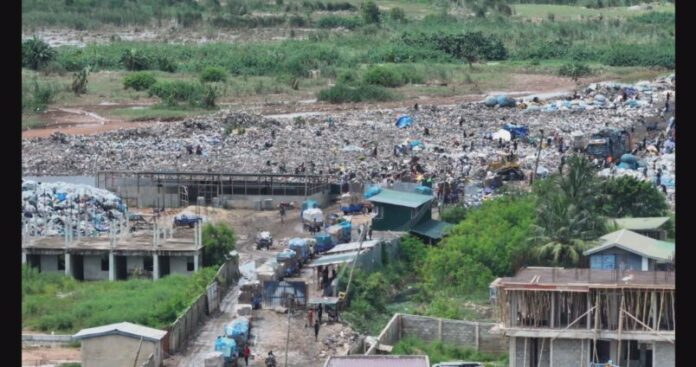

A Senior Research Scientist at the CSIR-Water Research Institute, Dr Pennante Naa Ayikailey Bruce-Vanderpuije, has raised concerns over the environmental and public health risks posed by refuse dumped at the McCarthy Down landfill site.
According to her, plastics found in the waste contain harmful chemicals such as phthalates and bisphenol A (BPA), which can pose serious health risks to humans when they leach into the environment.
“The plastics in the refuse contain chemicals such as phthalates and BPA, which are known to have adverse effects on human health,” Dr Bruce-Vanderpuije cautioned.
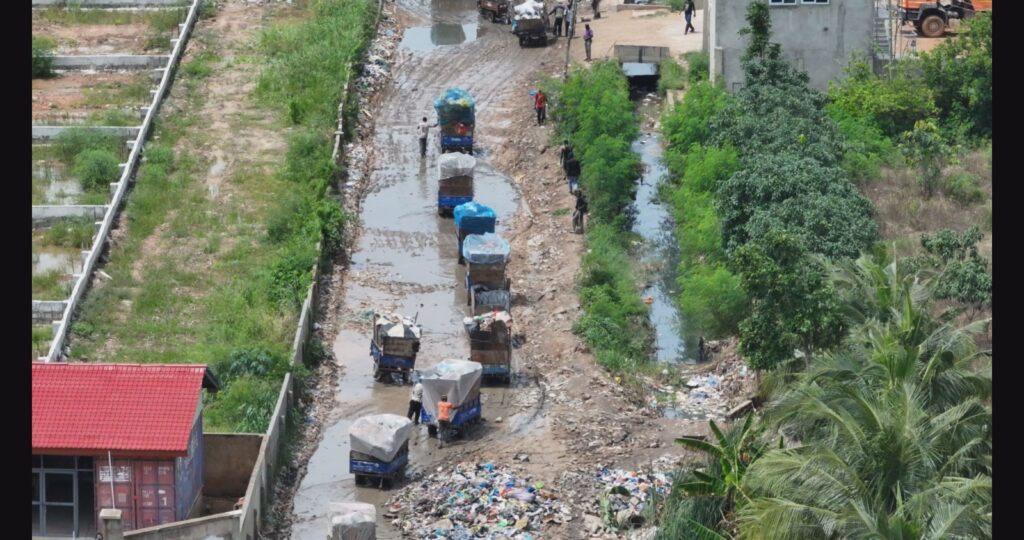
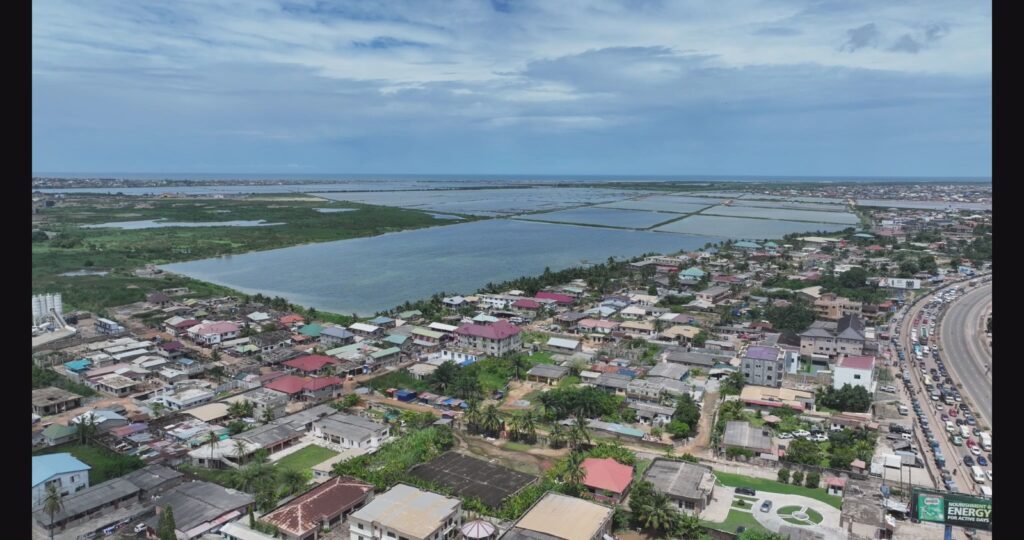
She explained that flooding at the landfill site could wash contaminants into the Densu River, which serves as a major source of water for the Weija Dam, threatening water quality for thousands of residents in Accra and surrounding communities.
“If floodwaters carry these pollutants into the Densu River, they could eventually reach the Weija Dam and compromise the quality of water supplied to consumers,” she warned.
The scientist therefore advised against indiscriminate dumping of waste near the Weija Dam and called for stronger protection of buffer zones surrounding the water body.
Dr Bruce-Vanderpuije further noted that the refuse may contain hazardous heavy metals, including lead, mercury, arsenic, cadmium, copper and zinc.
“Exposure to these heavy metals can lead to serious health complications, especially among children and the elderly. In some cases, prolonged exposure may result in skin diseases and even cancer,” she stated.
Beyond human health concerns, she warned that pollution from the dumping site could also negatively affect aquatic life in the dam.

She stressed the need for stronger collaboration among institutions responsible for environmental protection, noting that while government policies exist, inadequate coordination among agencies has weakened efforts to safeguard critical buffer zones and effectively monitor pollution levels.
“The policies are there, but stronger coordination among the relevant institutions is needed to ensure effective enforcement and protection of our water resources,” she said.
Dr Bruce-Vanderpuije also urged Ghana Water Limited to assess whether its treatment facilities have the capacity to handle contaminants that may enter water sources during flooding events.
“There is a need to evaluate whether existing treatment plants can adequately remove contaminants that may be introduced into water bodies during floods and determine the potential impact on water quality,” she added.
The CSIR scientist maintained that waste found at both the McCarthy Down and Oblogo dumping sites should be treated as hazardous unless scientific assessments prove contamination levels are within acceptable limits.
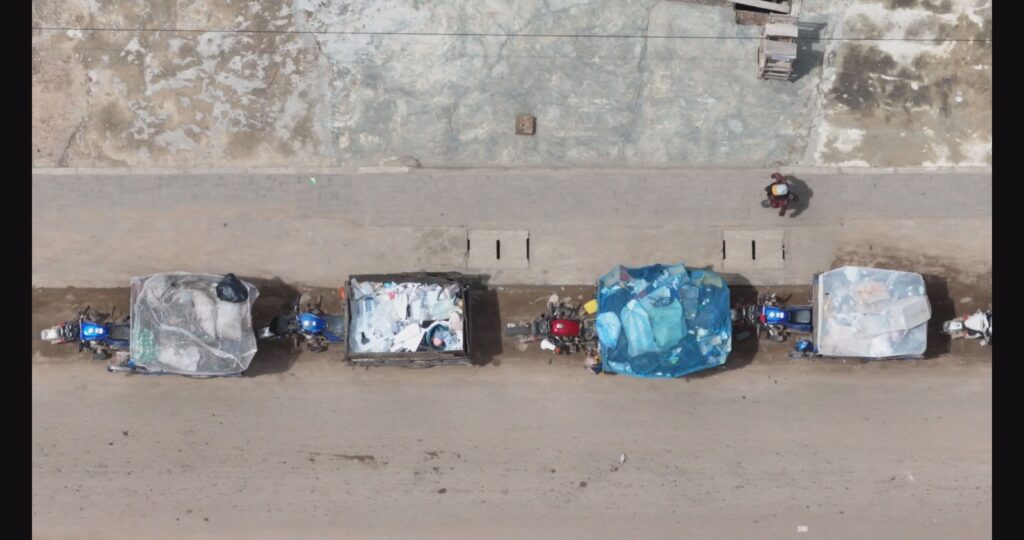
Meanwhile, some tricycle operators, popularly known as “aboboyaa” riders, have appealed to the government to establish additional dumping sites to ease pressure on existing waste disposal facilities.
According to the operators, the lack of accessible dumping sites contributes to improper waste disposal practices and undermines efforts to maintain environmental sanitation.
Source: Prince Owusu-Asiedu
ALSO READ:
