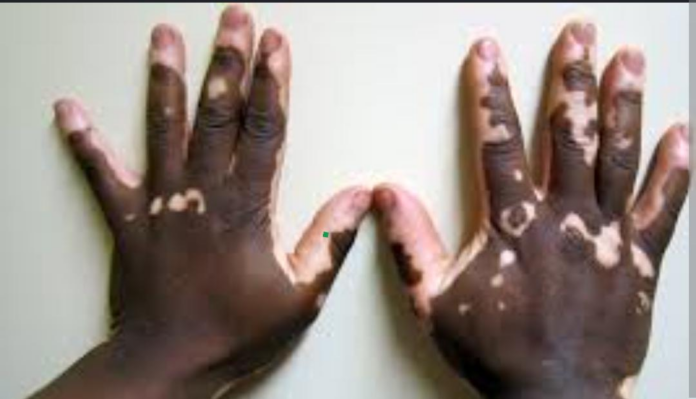

A dermatologist and member of the Ghana Society of Dermatology, Dr. Juliet Opoku, has described vitiligo as an autoimmune condition in which the body’s immune system mistakenly attacks pigment-producing cells in the skin.
Today, June 25, marks World Vitiligo Day, a day set aside to raise awareness about vitiligo, promote understanding of the condition, and support people living with it.
According to Dr. Opoku, vitiligo is an acquired condition that affects the skin and can occur in people with no family history of the disease. She noted that the condition may also be associated with other health conditions, including certain forms of anaemia.
It is characterized by patches of skin losing their natural colour, and any part of the body can be affected.
Dr. Opoku expressed concern about the stigma faced by people living with vitiligo, saying misconceptions about the condition often lead to social exclusion, low self-esteem, anxiety, and depression.
She urged the public to understand that vitiligo is not contagious and encouraged individuals living with the condition to seek medical advice and psychosocial support when needed.
While vitiligo is not life-threatening, she stressed the importance of seeking help from medical professionals, particularly dermatologists from the Ghana Dermatology Association, as they can provide appropriate care and support for patients.
ALSO READ:
Current economic conditions do not justify tariff increases — GUTA President