

The Driver and Vehicle Licensing Authority (DVLA) says newly introduced inspection technology has led to the seizure of more than 130 suspected cloned or duty-evading vehicles in the past month.
DVLA CEO Julius Neequaye Kotey said the detection machines used for the exercise can trace a chassis number’s full history, from manufacturer to current status, and flag whether it has been duplicated or altered.
He added that DVLA currently has a flexible arrangement allowing affected owners to regularise unpaid duties with Customs, but warned that going forward, offenders will be prosecuted, since “that level of amnesty is over.”
The crackdown puts a spotlight on vehicle cloning, a scheme many car owners may not fully understand, but one that could affect them directly.
Here is what it means.
What is a cloned vehicle?
Every vehicle carries a unique identifying code — its chassis number, known internationally as a Vehicle Identification Number (VIN).
It’s stamped into the vehicle’s frame and other fixed points, functioning much like a fingerprint, and just like fingerprints, no two vehicles are supposed to share the same one.
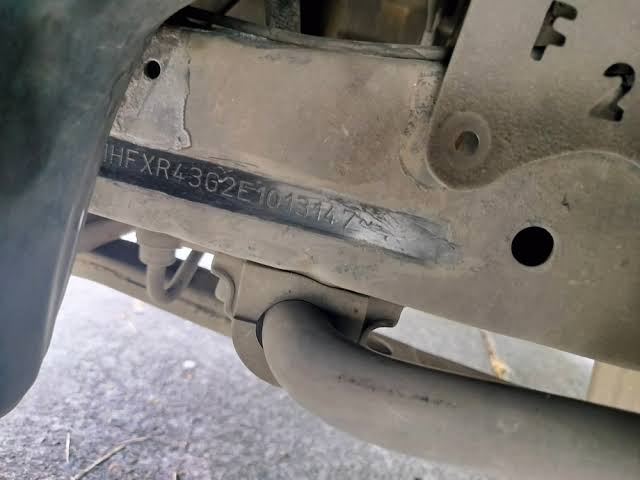
Cloning happens when fraudsters copy or forge that number and attach it to a different vehicle, typically one on which the required duty hasn’t been paid, or one with a history the owner wants to hide. This results in two vehicles effectively sharing a single identity on paper, one legitimate, one fraudulent.
The UK’s Royal Automobile Club (RAC), according to car review website Carwow, a cloned vehicle is essentially one whose identity has been stolen or copied, sometimes as simple as lifting a number plate, though more often it involves duplicating a vehicle’s full identity.
How the scam works
Fraudsters usually work with insiders who have access to genuine customs or registration paperwork. These insiders duplicate documentation from one vehicle and match it to an unrelated vehicle — usually one that hasn’t fulfilled its duty obligations — allowing it to slip into the registration system disguised as the properly documented original.
Globally, cloners tend to target popular models of a similar make and year, since a close match makes it harder to detect a duplicated chassis number during inspection.
US-based vehicle history platform iSeeCars notes that cloned vehicles are often ones that have been written off in accidents or flood damage, with the forged identity masking that history from safety and insurance databases.
Why it matters to ordinary car owners
The real damage surfaces when the legitimate vehicle owner (the one whose chassis number was copied) eventually tries to register or transfer their vehicle, only to discover a clone already exists in the system under the same identity.
The fraud doesn’t just hurt whoever unknowingly buys a cloned vehicle, it can trap an innocent owner in disputes that have nothing to do with them.
Vehicle history firm VinAudit notes that owners whose identities are cloned can find themselves linked to unrelated offences, ranging from minor infractions to more serious criminal matters, through no fault of their own.
Warning signs to watch for
- A chassis number plate that looks unusually clean while the surrounding area is worn or corroded
- Mismatched chassis or registration numbers between paperwork and the physical plate
- Sellers who resist an independent inspection before sale
- A price significantly below market value for the model and year
- An incomplete or inconsistent paperwork trail from importer to current owner
ALSO READ:
DVLA seizes over 130 suspected cloned vehicles with new inspection technology
Okada rider allegedly drives motorbike key into man’s skull during fight over passenger