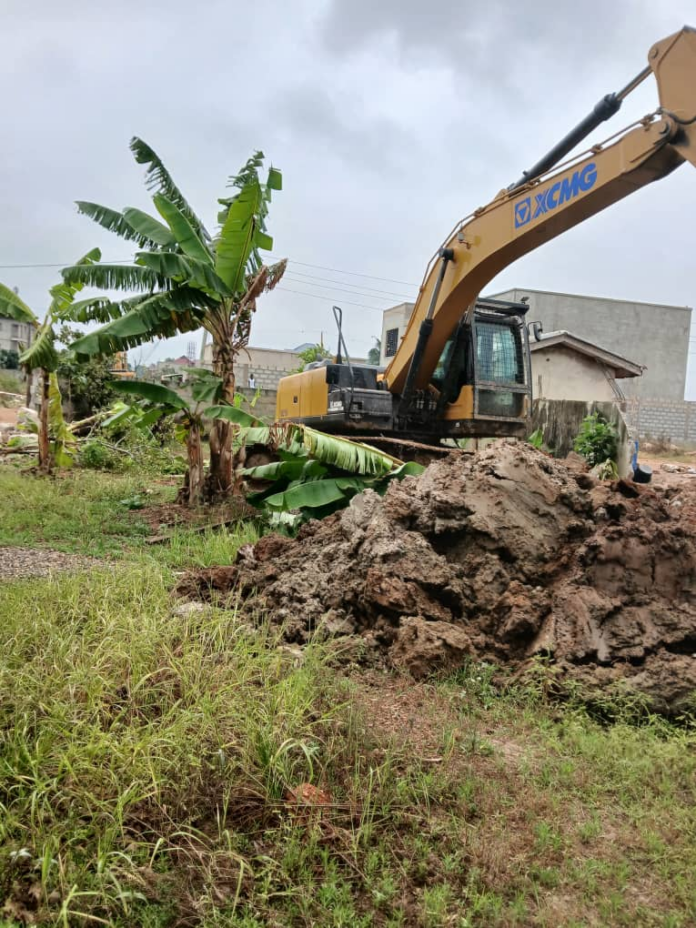

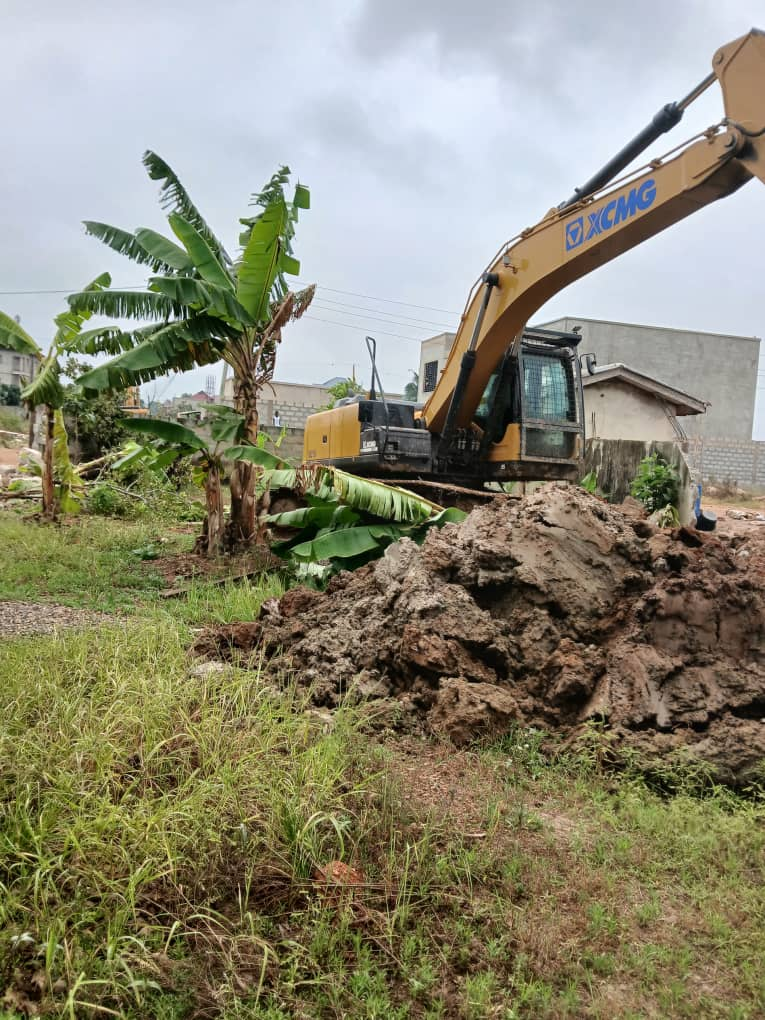
The demolition of part of an elderly woman’s residence at Oyarifa New York has reignited concerns over how demolition exercises are carried out and the safeguards available to property owners who challenge such actions.
Madam Barbara Boateng says she has been caught up in a dispute she does not fully understand after part of her property was demolished despite her claim that she possesses a Land Title and valid building permits.
Through her lawyers, Madam Boateng is challenging the circumstances surrounding the demolition and demanding formal engagement with the authorities.
The lawyers contend that the property is neither located on a waterway nor within a road reservation.
They further maintain that their client obtained the necessary permits for the construction of the house and its perimeter wall.
According to the lawyers, the Assembly placed a demolition notice on the fence but failed to adequately engage their client or clearly explain the grounds for the proposed action before the demolition took place.
The incident has brought renewed attention to the difficult balance between the enforcement of planning regulations and the protection of property rights.
Authorities across the Greater Accra Region regularly face pressure to remove structures considered to be located on waterways, drainage corridors, road reservations and other restricted areas.
However, residents and property owners often raise concerns about the processes used to identify structures for demolition, as well as the notice and engagement given to affected persons.
The Oyarifa case presents another example of that tension.
Residents sympathetic to Madam Boateng are calling on the authorities to explain whether the property was properly assessed before the demolition and whether the homeowner’s documents were taken into consideration.
They insist that enforcement should not be carried out in a manner that leaves citizens confused about why their properties have been targeted.
At the same time, the controversy does not remove the responsibility of authorities to protect public spaces and waterways where genuine encroachment has occurred.
The challenge, residents say, is to ensure that enforcement decisions are supported by evidence and clearly communicated to affected property owners.
Madam Boateng’s lawyers have demanded that no further demolition action be taken until she is formally engaged.
They have also indicated their readiness to pursue lawful remedies to protect her interests.
The case therefore raises a broader question beyond the situation of one elderly homeowner: How can Ghana strengthen the enforcement of planning regulations while ensuring that property owners are treated fairly, transparently and humanely?