
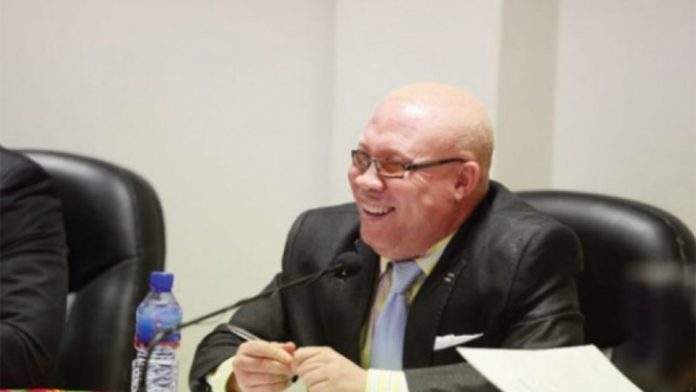

Lead advocate for the National Coalition for Proper Human Sexual Rights and Family Values, Moses Foh-Amoaning, has strongly criticised arguments that frame LGBTQ+ issues as a matter of human rights, describing such positions as misguided.
Speaking on Adom FM Dwaso Nsem following the passage of the Anti-LGBTQ+ bill, Foh-Amoaning said he disagrees with attempts to present LGBTQ+ rights as fundamental human rights.
“Shame unto everyone who argues this matter on a human rights basis,” he said.
According to him, Ghanaian society does not accept LGBTQ+ behaviour and has consistently demonstrated its opposition to it.
“Ghanaians don’t like this behaviour, and we have demonstrated it,” he stated.
Foh-Amoaning further argued that individuals who identify as LGBTQ+ require support rather than affirmation, claiming that some are receiving assistance through medical and counselling interventions.
“Those people involved in this clearly have a challenge. By God’s grace, we have a hospital and we are dealing with some of the people and helping them,” he said.
The lawyer also criticised some international organisations and institutions, alleging that they have shifted from their original mandates in their advocacy on LGBTQ+ issues.
“The UN agencies have been taken over by the LGBTQ+ community and they have moved away from what the UN used to be,” he claimed.
He questioned the positions of some Ghanaian state institutions on the matter, including the Commission on Human Rights and Administrative Justice (CHRAJ) and the Ghana AIDS Commission.
“CHRAJ used to defend the rights of Ghanaians, but at the committee meeting they were defending the LGBTQ+ community,” he said.
Foh-Amoaning also alleged that support for LGBTQ+ advocacy by some organisations is influenced by external funding, though he did not provide evidence for the claim.
Referencing developments in the United States, he pointed to actions taken by President Donald Trump on LGBTQ+ issues as part of his argument that countries should be free to determine their own policies.
His comments come amid continuing public debate over Ghana’s Anti-LGBTQ+ legislation, with supporters describing the bill as a reflection of Ghanaian cultural and moral values, while critics have raised concerns about its implications for human rights and constitutional freedoms.
ALSO READ:
