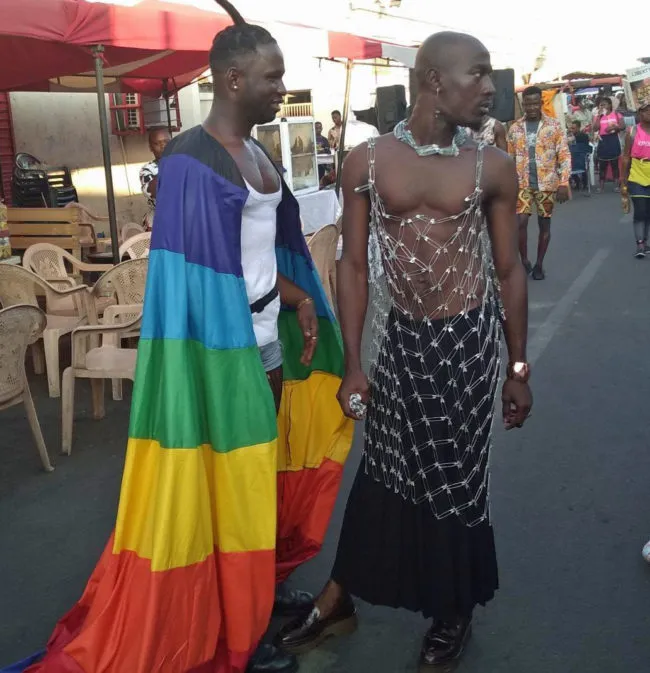

In recent years, Ghana has seen a noticeable rise in cross-dressing, especially among male influencers, content creators, and public event attendees.
What some describe as entertainment and social media expression has sparked concern of the public who fear it may erode traditional values.
The National Commission on Culture (NCC) has criticized the trend, calling it an “insult to Ghanaian culture.”
Deputy Director of NCC, Dr Richardson Commey Fio, in September 2024, expressed concern over male influencers appearing in female attire, wigs, and makeup for online content, arguing that it weakens Ghana’s moral and cultural foundations.
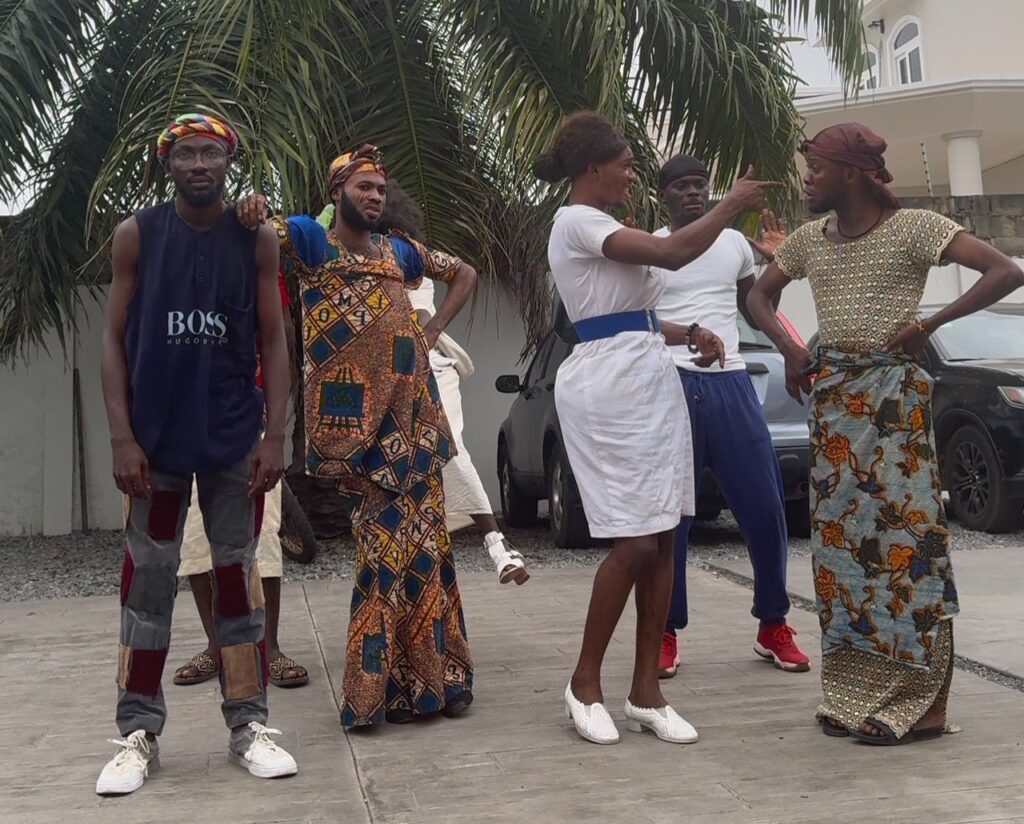
Many citizens on the other hand, view the increasing visibility of cross-dressing as linked to broader LGBTQ+ expression, particularly as Parliament continues discussions around the Human Sexual Rights and Family Values Bill.
Before the proposed bill is passed and assented to, many Ghanaians are questioning what immediate measures authorities are taking to address the issue.
So far, government agencies and cultural institutions have focused mainly on public condemnations, awareness campaigns, and calls for stricter regulation within the entertainment and digital media spaces.
Cultural leaders have urged event organizers, media platforms, and influencers to promote content that aligns with Ghanaian values while discouraging displays seen as inappropriate or morally harmful.
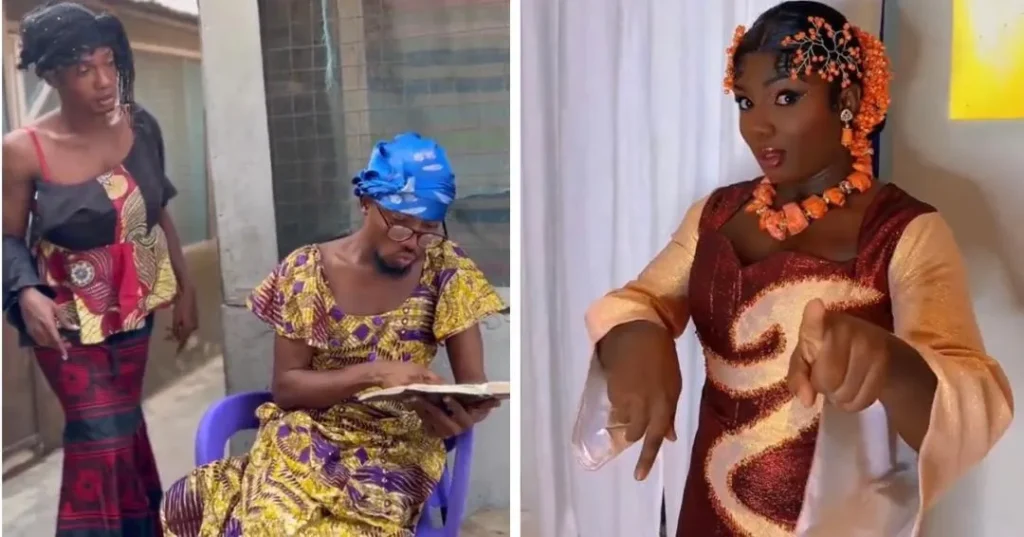
Public concern intensified after the Porials Pitch event in Accra, where videos showing effeminate male appearances circulated widely online, triggering backlash and heated discussions on social media.
Similar reactions followed the recent Telecel Ghana Music Awards (TGMA), where some red carpet looks and performances were criticized for challenging traditional gender norms.
While supporters defend cross-dressing as artistic freedom and entertainment, critics argue it promotes values that conflict with Ghanaian cultural identity.
As social media and globalization continue to shape modern lifestyles, the debate over individual expression and cultural preservation remains a major national conversation.
What urgent measures will authorities take to address these growing concerns before the proposed bill becomes law?
Article by Ayisha Akua Ibrahim