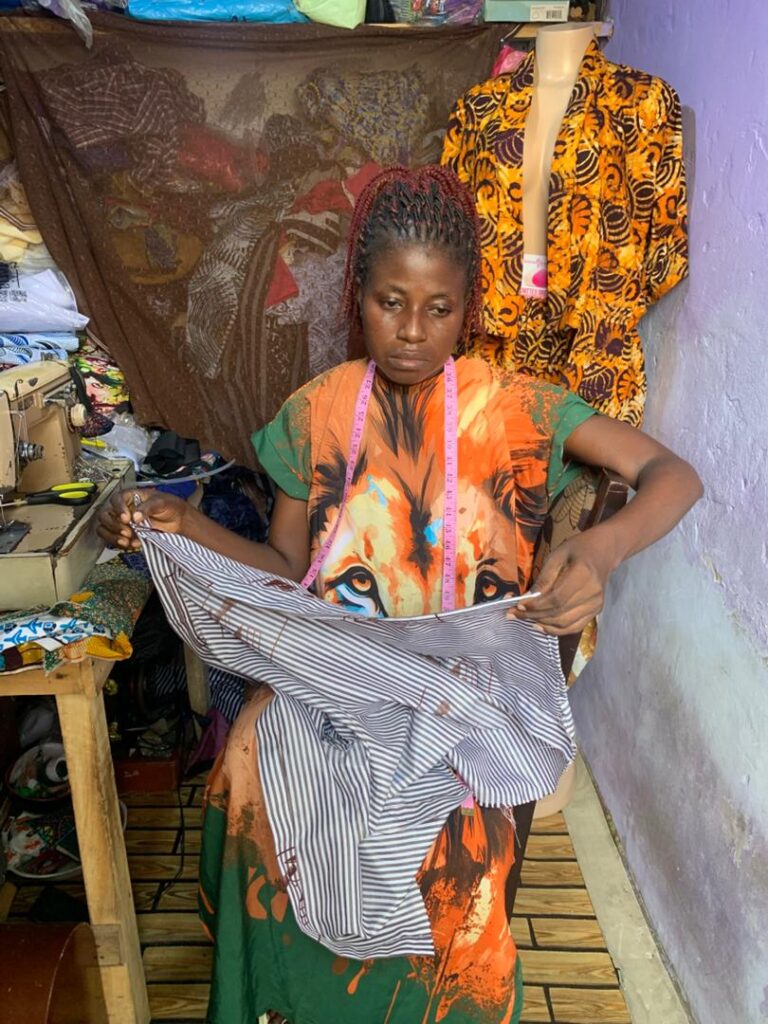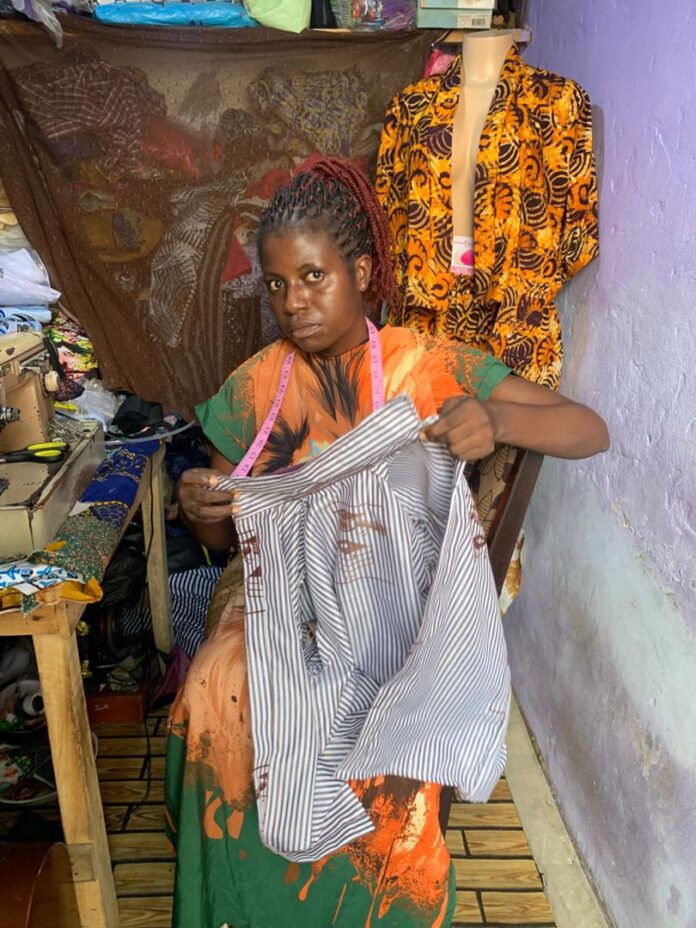

Breast cancer survivor and fashion designer Miriam Ablah Anani has opened up about her battle with cancer, financial hardship, spousal abandonment, and the social stigma surrounding infertility. Through her story, she is urging women to seek early medical intervention and maintain hope through life’s toughest trials.
Miriam’s journey began in 2020 when she discovered a sharp, painful lump in her left breast. On the advice of family and loved ones, she initially sought herbal remedies. However, as her condition showed no improvement, she turned to conventional medicine and was subsequently diagnosed with breast cancer.
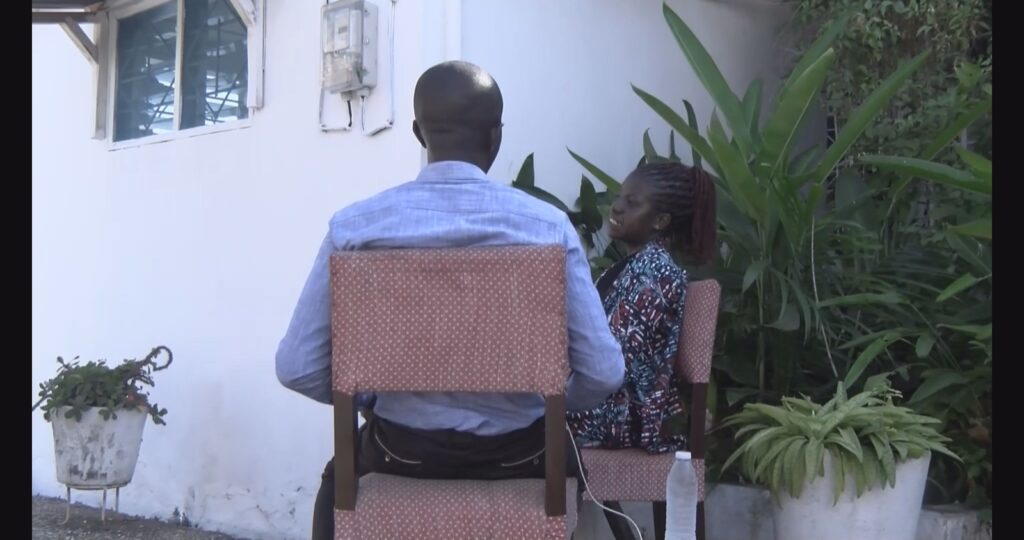
Her diagnosis marked the start of an exhausting ordeal involving chemotherapy, surgery, and radiation treatment at Korle Bu Teaching Hospital.
Miriam, who began sewing at age 17 before launching her career as a fashion designer, admitted that the experience tested her physically, emotionally, and financially.
Adding to her pain, Miriam’s partner abandoned her shortly after learning about her diagnosis and the start of her treatment.
Financial constraints quickly mounted, leaving her struggling to afford chemotherapy until supportive friends stepped in to cover the costs. At her lowest point, overwhelmed by emotional distress, Miriam contemplated taking her own life.
She said prayer, faith and the support of people around her eventually helped her regain hope and continue with her treatment.
Beyond her physical and financial struggles, Miriam’s journey highlighted the profound stigma surrounding fertility and motherhood for cancer patients.
For many women diagnosed with breast cancer, concerns about whether they will be able to have children after treatment can become an additional source of anxiety and social pressure.
Miriam believes women should not be defined by their ability to have children, especially when they are fighting for their lives.
Her experience has strengthened her call for greater understanding and support for women who may experience fertility challenges as a result of cancer treatment.
President of the Breast Society of Ghana, Professor Josephine Nsaful, explained that a breast cancer diagnosis does not automatically mean a woman cannot have children.
She however mentioned that fertility may be affected in some women depending on factors like their age and the impact of chemotherapy on the ovaries.
She noted that women around the age of 45 and above may face greater fertility challenges because ovarian function may already be declining, and chemotherapy can further affect it.
The issue, she stressed, should therefore be approached with proper medical advice rather than stigma or assumptions about a woman’s ability to become a mother.
Although Miriam completed chemotherapy, surgery and radiation, her cancer journey did not end there.
She later experienced a recurrence, bringing back the fear and uncertainty associated with her initial diagnosis.
The death of her brother further intensified her fear of losing her own life.
Despite these challenges, Miriam continued to draw strength from her faith, family, friends and creative work.
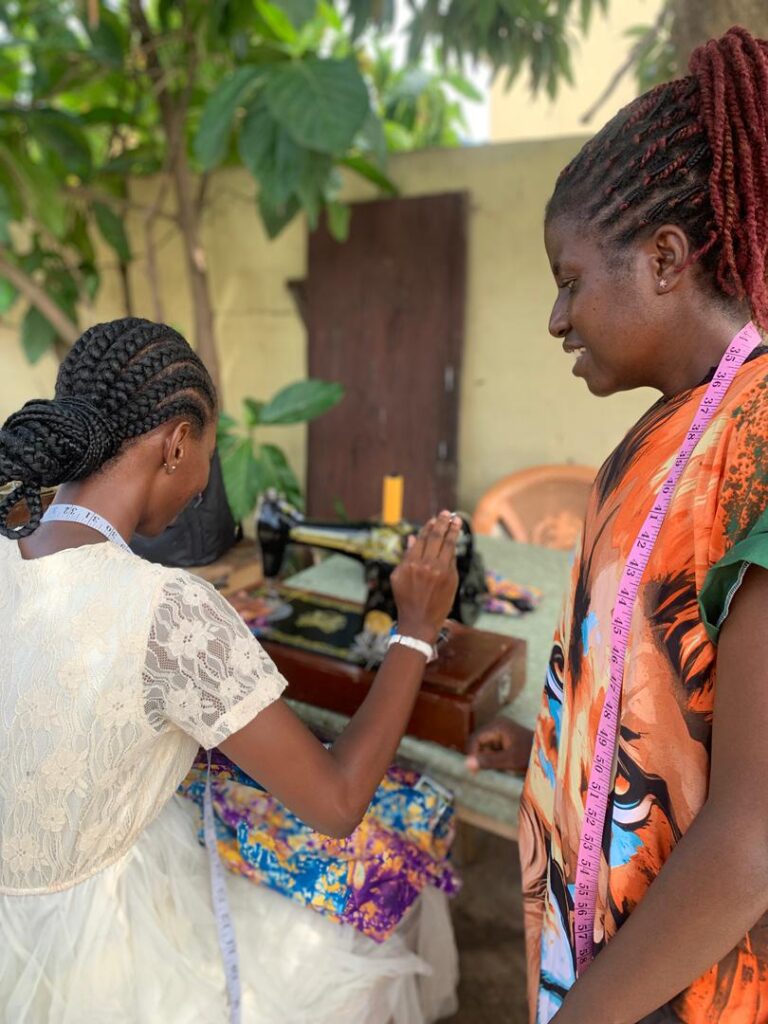
She now uses her experience to advocate for breast cancer awareness and encourage women to take unusual changes in their bodies seriously.
She is particularly urging women not to rely solely on unproven remedies when they notice symptoms.
Miriam is encouraging women to become familiar with their breasts and seek professional medical attention when they notice unusual or persistent changes.
These may include a breast lump, changes in breast size or shape, nipple abnormalities or other unexplained changes.
She also emphasises that completing treatment should not mean abandoning medical care.
According to her, survivors must continue with regular follow-ups and promptly report any unusual changes to healthcare professionals.
“Do not wait until the disease becomes serious before seeking help. Know your body, get checked and keep following up even after treatment,” is the message at the heart of her advocacy.
Through expressive arts and fashion, Miriam has also found an outlet for processing some of the emotions associated with her diagnosis and treatment.
Her journey from discovering a painful breast lump to undergoing chemotherapy, surgery and radiation, surviving a recurrence and becoming an advocate for cancer awareness has become a story of resilience.
For Miriam, surviving breast cancer is not simply about completing treatment. It is also about reclaiming dignity, confronting stigma and reminding other women that a cancer diagnosis does not have to end their dreams, purpose or hope.
Her story is ultimately a call for early detection, timely medical care, continued follow-up and compassion for women navigating the physical and emotional consequences of breast cancer.