
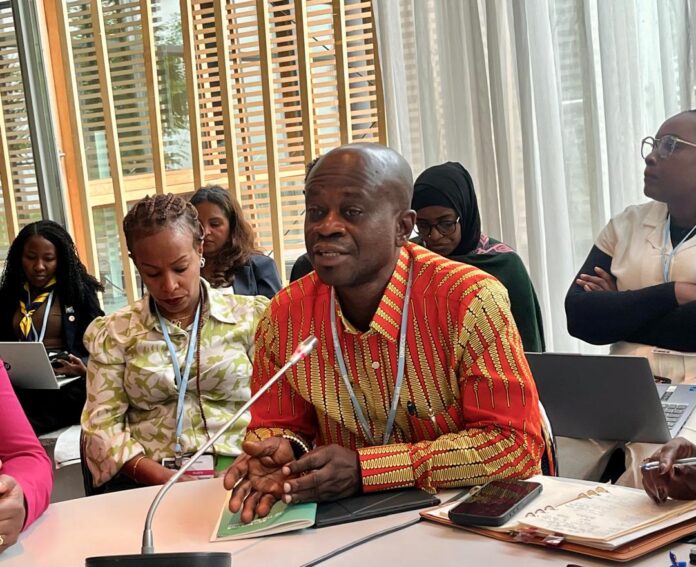

Chair of the African Group of Negotiators on Climate Change (AGN), Dr. Nana Antwi-Boasiako Amoah, has called for a stronger and more coordinated African women’s agenda within global climate governance.
Engaging members of the Women and Gender Constituency on the sidelines of the UN climate negotiations in Bonn, Germany, he stressed that Africa’s climate and development priorities cannot be fully achieved without deliberately elevating women’s voices and dismantling structural barriers to participation and implementation.
“Africa has more women than men, and women have unique circumstances and issues that need to be prioritised,” he noted, emphasizing the need for unity and strategic engagement to strengthen Africa’s negotiating power.
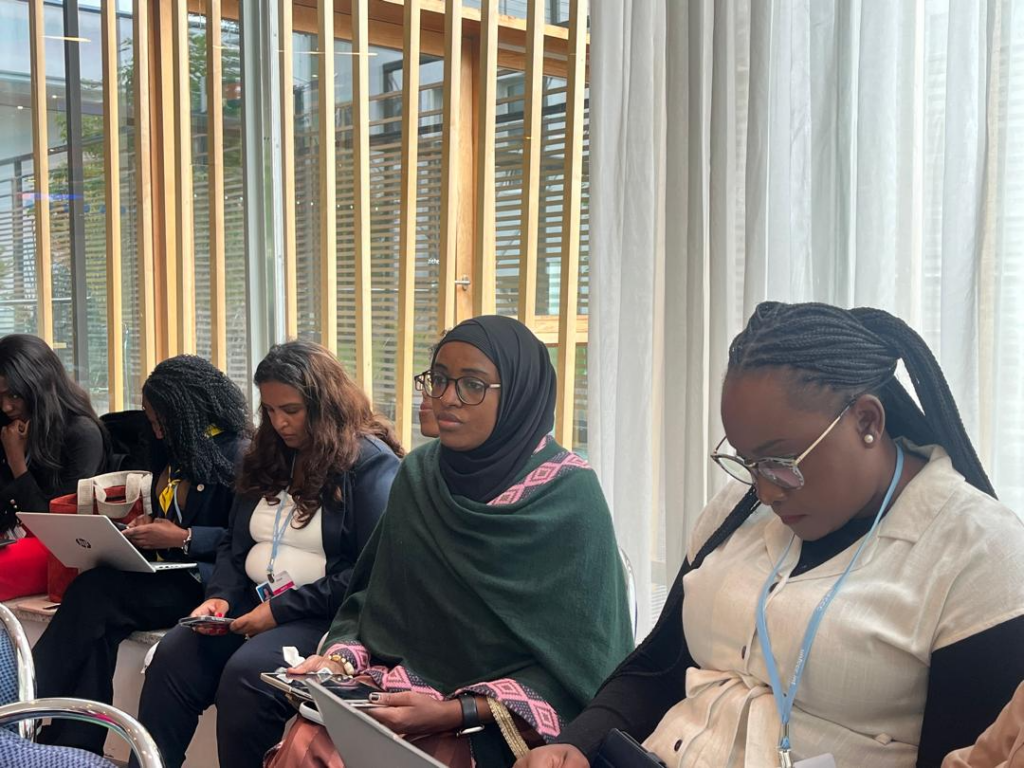
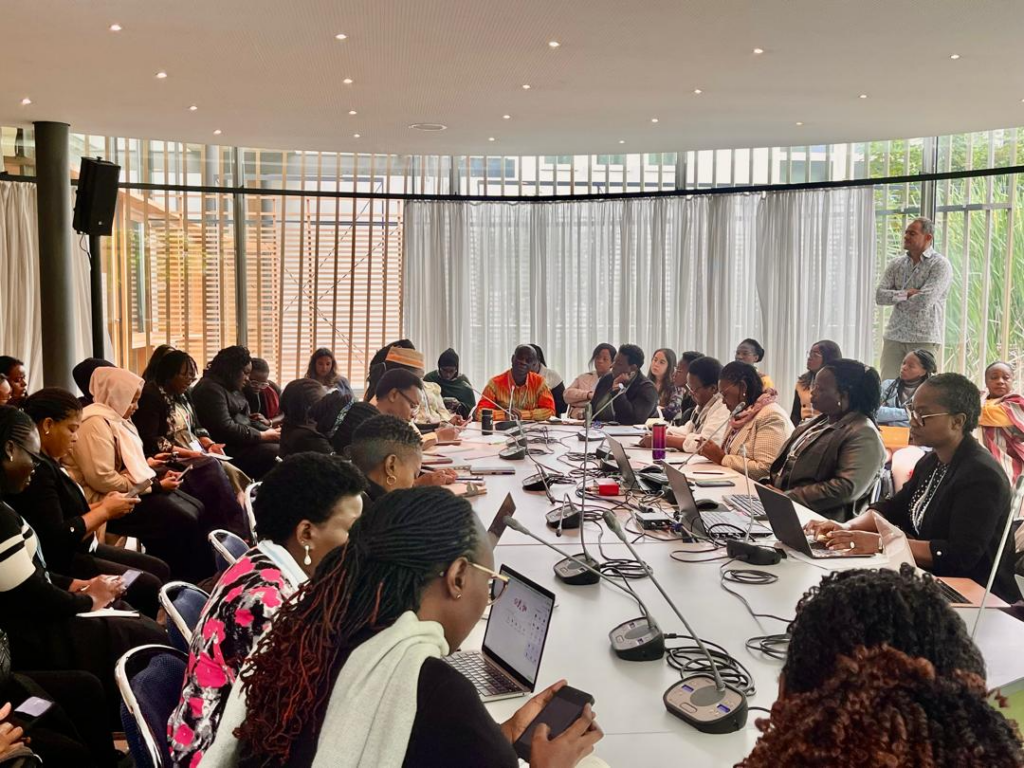
The meeting served as a platform for direct dialogue with women negotiators and practitioners aimed at informing the African Group of Negotiators on Climate Change (AGN) advocacy at the highest level of climate decision-making.
Key outcomes from the engagement included a call for coordinated action for African women to organise around shared positions and develop collective policy inputs to strengthen their influence in negotiations.
Concerns were also raised about limited climate finance, which continues to undermine gender equality commitments and local-level impact. Strong emphasis was placed on ensuring that resources reach grassroots women most affected by climate change.
Participants further highlighted the underrepresentation of African women in international climate institutions and decision-making bodies, calling for more inclusive participation in global climate governance.
Calls were made for expanded training, mentorship, and knowledge-sharing to support emerging women negotiators across Africa.
Dr. Amoah reaffirmed AGN’s commitment to inclusive engagement and merit-based representation, while also supporting improved pathways for women’s participation in climate governance processes.
The discussions also reflected broader concerns around transparency in recruitment within climate institutions and the need for better data on African women’s representation in global climate structures.
As Africa advances its climate agenda, participants stressed that empowering women is not only a matter of equity, but also a strategic necessity for effective and credible climate action.
READ ALSO:
Understanding Lupus: Advocate calls for awareness as more women face autoimmune disease
Defend democratic governance – Mahama Ayariga rallies young citizens
