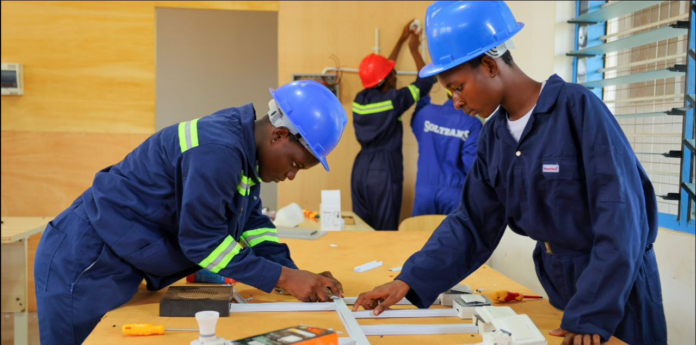

Ghana has launched an initiative to integrate green skills, climate resilience and sustainable innovation into Technical and Vocational Education and Training (TVET).
Known as the Green TVET Initiative, the programme, being implemented by the Ghana TVET Service in partnership with the International Labour Organization (ILO), forms part of efforts to prepare the country’s workforce for the changing demands of the global economy.
The initiative, launched ahead of the 2026 National TVET Week, comes at a time when industries globally are increasingly adopting renewable energy, cleaner production technologies, sustainable agriculture and environmentally responsible production systems in response to climate change.
Aimed at ensuring TVET graduates acquire the practical knowledge and competencies required to participate in emerging green industries and contribute to sustainable economic development, the initiative also aligns with Ghana’s commitment to the Sustainable Development Goals (SDGs), particularly those relating to quality education, clean energy, decent work, sustainable industrialisation and climate action.

In an interview, Director-General of the Ghana TVET Service, Dr Eric Kofi Adzroe, said the initiative recognised that the future labour market would require workers who possessed not only technical competencies but also the skills to support environmental sustainability and climate resilience.
He said a key component of the initiative was the capacity building of TVET educators, including principals, vice principals and facilitators from institutions across the country.
The educators are undergoing intensive training on green skills, climate-smart technologies, sustainable institutional management and environmentally responsible teaching practices.
Dr Adzroe said the knowledge acquired would be transferred to students through teaching and practical training, exposing them to sustainable technologies and environmentally friendly practices relevant to their areas of study.
At the Wa Technical Institute, for instance, efforts are underway to establish a Solar Photovoltaic (PV) training programme equipped with modern tools and equipment.
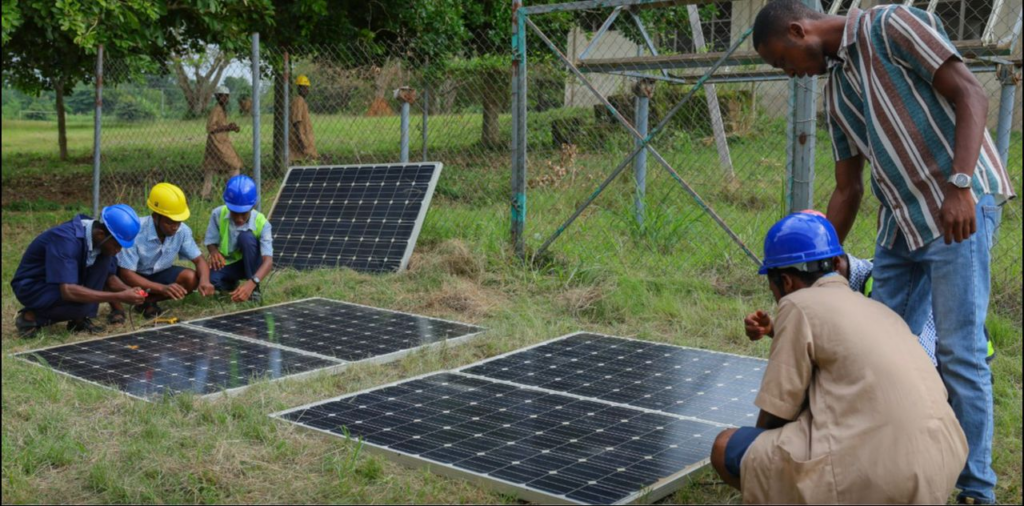
The programme is expected to provide students with hands-on skills in solar energy installation, maintenance and troubleshooting, positioning them to take advantage of opportunities in Ghana’s expanding renewable energy sector.
At the Comboni Technical Vocational Institute in Sogakope, students are being introduced to climate-smart agriculture through a Smart Agriculture Project incorporating modern farming techniques and solar-powered irrigation systems.
The project seeks to demonstrate how technology and innovation can improve agricultural productivity while reducing pressure on natural resources.
The Damongo Technical Institute is also benefiting from improved digital infrastructure, including computers and reliable internet connectivity, to support e-learning and digital skills development.
Dr Adzroe said similar support was being extended to the Salaga Technical Institute and St Anne’s Technical Institute to improve access to modern digital learning resources for students and educators.
“It is expected to promote innovation and entrepreneurship by enabling young people to develop practical solutions to environmental and development challenges,” he said.
The initiative also places emphasis on environmental responsibility within TVET institutions, encouraging students to participate in recycling, waste segregation, tree planting and campus greening activities.
The activities are intended to promote environmentally responsible behaviour alongside technical competence and help students understand the practical application of sustainability in their daily lives and future professions.
With growing demand for skilled workers in renewable energy, sustainable construction, waste management, green manufacturing and climate-smart agriculture, graduates equipped with green skills are expected to be better positioned to secure employment or establish businesses within the emerging green economy.
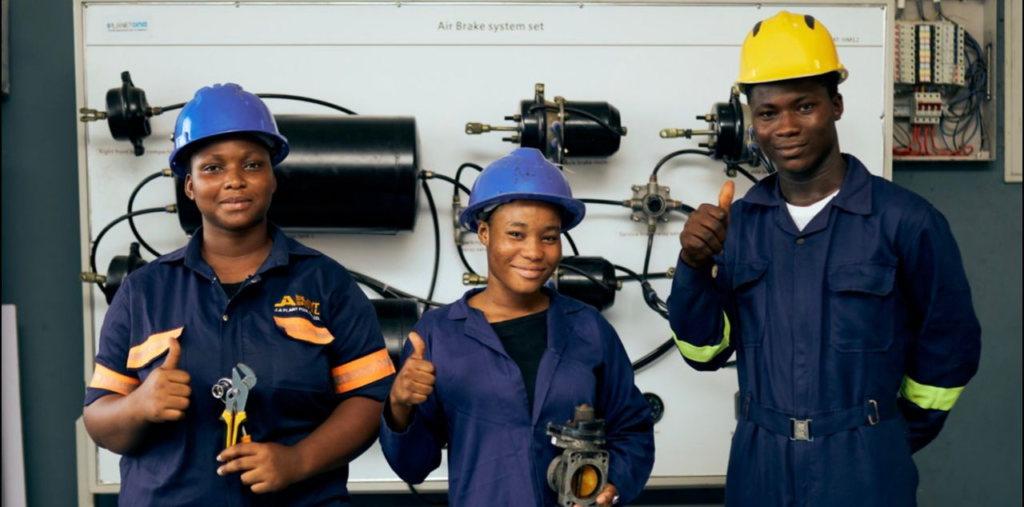
The initiative therefore positions TVET as an important instrument for supporting Ghana’s transition towards a low-carbon and climate-resilient economy, while creating opportunities for youth employment, entrepreneurship and innovation.
As implementation expands, participating TVET institutions are expected to evolve into centres of excellence for sustainable development, producing graduates who are technically competent, environmentally conscious and prepared for changing labour market requirements.
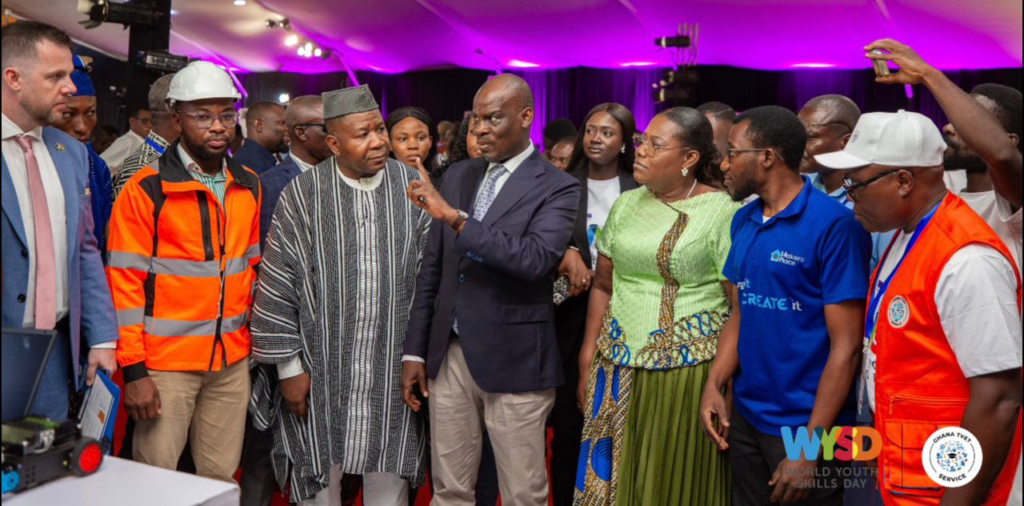
2026 National TVET Week
The Green TVET Initiative forms part of broader efforts to reposition TVET to respond to emerging economic, technological and labour market needs, issues that will feature prominently during the 2026 National TVET Week.
Schedule for October 2026, the celebration is expected to provide a platform for reflection, policy dialogue and direction-setting on the future of TVET, bringing together government, industry, development partners and other stakeholders.
The discussions are expected to inform decisions on how the TVET system can continue to evolve and ensure that training remains responsive to industry demands beyond the celebration.
Another major feature of the celebration will be the “Next Gen Fashion Showcase,” which will provide learners with an opportunity to demonstrate their creativity, technical abilities and entrepreneurial potential to a wider audience.
The showcase is expected to highlight the role of skills development in creating pathways for young people to translate their competencies into employment and business opportunities.
The Green TVET Initiative and the National TVET Week therefore reflect a broader shift in Ghana’s approach to technical and vocational education, from conventional skills training towards a system that responds to technological change, environmental challenges and emerging opportunities in the labour market.
Ultimately, the initiative seeks to build a future-ready workforce capable of driving economic transformation and innovation while contributing to environmental protection and Ghana’s long-term sustainable development goals.