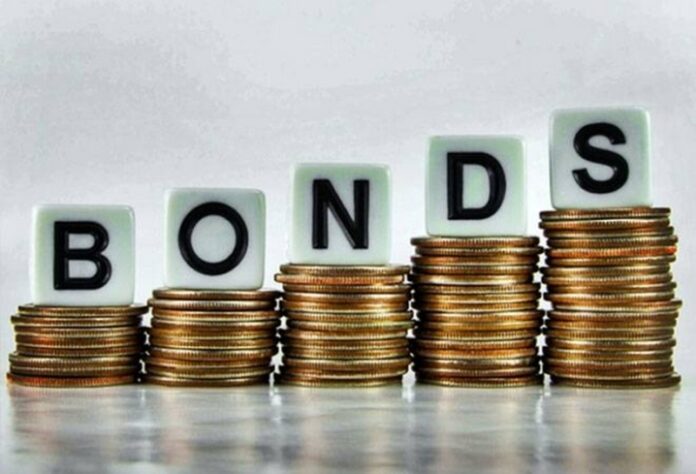

Government is preparing to raise funds from the domestic capital market through a new four-year cedi-denominated Treasury Bond, with the book-building process scheduled to begin on Tuesday, September 1, 2026.
The bond, which will mature in 2030, is being issued as a senior unsecured obligation of the Republic of Ghana and is expected to be listed on the Ghana Stock Exchange (GSE).
The Bank of Ghana (BoG), in Notice No. BG/FMD/2026/43 dated August 29, announced the transaction. The notice was signed by the Secretary to the Bank, Aimee Vyda Quashie.
The issue will be targeted mainly at resident investors, although non-resident investors will also be eligible to participate.
Book-building is expected to commence at 9 a.m. on September 1, following the release of initial pricing guidance. Investors will submit bids based on their preferred yield rather than a predetermined coupon rate.
The central bank said updated and final pricing guidance may be released during the book-building process, with the order book scheduled to close at approximately 3 p.m. on Thursday, September 3.
Final pricing and allocation are expected to be completed on Monday, September 7, which will also be the settlement and issue date.
Under the arrangement, all successful bids will be allotted at a single clearing yield. However, where demand exceeds the amount available, the issuer will have discretion over allocations at the clearing level.
The bond will have a face value of GH¢1 per unit, while investors will be required to submit a minimum bid of GH¢50,000. Subsequent bids must be made in multiples of GH¢1,000.
As a senior unsecured instrument, the bond will carry the full backing of the Republic of Ghana. Its principal will be repaid in a single lump sum at maturity under a bullet repayment structure, rather than through periodic principal payments.
Six financial institutions have been appointed as active bond market specialists for the transaction. They are Absa, CalBank, Fincap, GCB, OA and Stanbic.
The issuance forms part of government’s efforts to mobilise financing through the domestic capital market.