
Stakeholders in Ghana’s education sector have called for comprehensive reforms to the Free Senior High School (Free SHS) policy, agreeing that while the programme has significantly expanded access to secondary education, urgent action is needed to address financing, infrastructure and quality concerns to ensure its long-term sustainability.
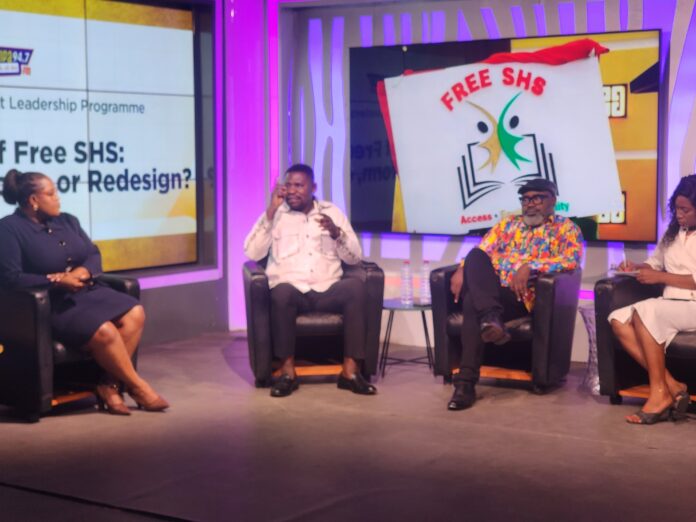
The views were shared during Adom TV’s thought leadership discussion on “The Future of Free SHS: Sustain, Reform or Redesign?”, which brought together representatives from government, the opposition, education advocacy groups, teachers and parents.
Participants were unanimous that Free SHS has become a national policy that should be protected, but differed on how best to improve its implementation.
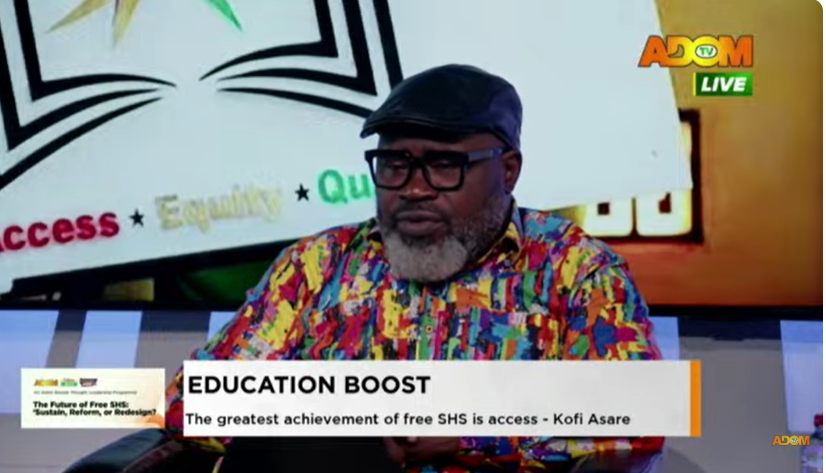
Executive Director of Africa Education Watch (Eduwatch), Kofi Asare, described expanded access as the policy’s greatest achievement.
He noted that before Free SHS, many students who qualified for senior high school were denied admission because of limited space and their families’ inability to pay fees.
According to him, the policy has removed those barriers, with about 98 percent of candidates who pass the Basic Education Certificate Examination (BECE) now qualifying for placement.
Mr. Asare said government funding for the programme has increased from about GH¢400 million in 2017 to a projected GH¢4.2 billion, with Parliament amending the GETFund Act to support its financing.
However, he maintained that the next phase of the policy should focus on expanding infrastructure and increasing teacher numbers rather than merely widening access.
He also argued that the programme has become so politically entrenched that no government would attempt to abolish it.
“We’ve politicised the policy and it has become like a deity, so no government will attempt to stop it,” he said.
Mr. Asare proposed reviewing some components of the programme, including the provision of free uniforms and exercise books, arguing that limited resources should instead be channelled into improving basic education, where many schools still lack essential teaching and learning materials.
He also called for greater investment in Technical and Vocational Education and Training (TVET) and stronger career guidance services to better prepare students for the job market.
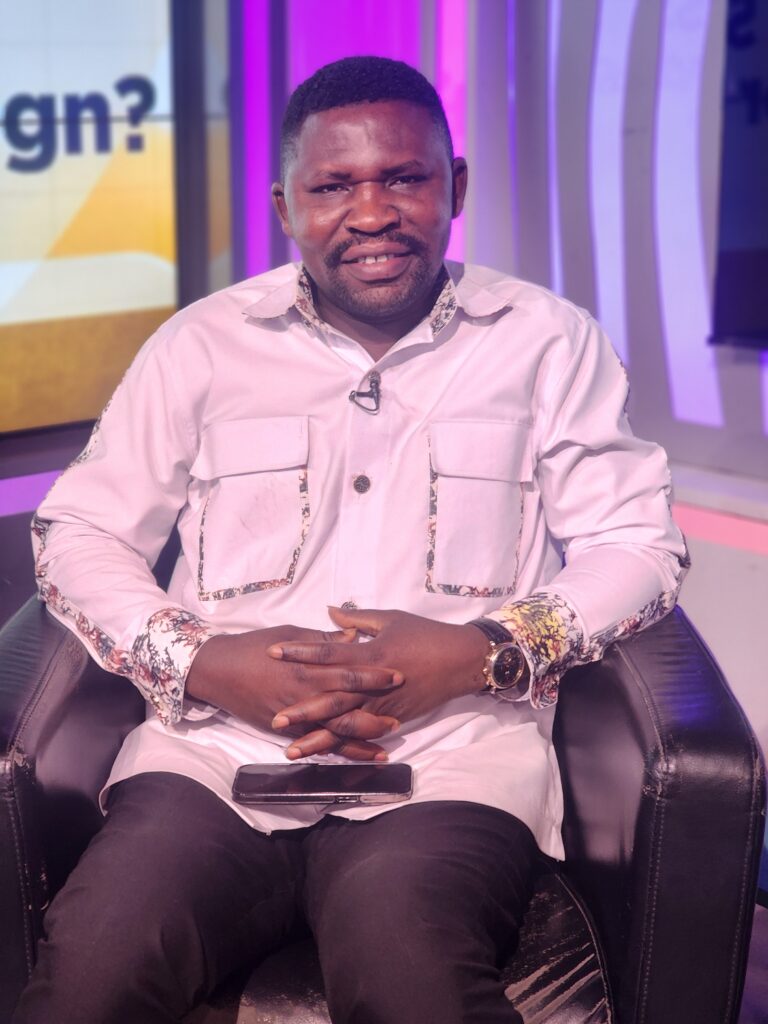
Education policy advocate Kwasi Gyetuah said the policy’s biggest challenge was its weak foundation.
“If you are building and the foundation isn’t good, the rest won’t be good,” he remarked.
He cited inadequate infrastructure, limited accommodation, insufficient teaching materials and the double-track system as evidence that the programme was introduced before the necessary support systems were in place.
Mr. Gyetuah stressed that improving access alone was not enough, insisting that equal attention must be paid to educational quality.
He commended the government’s decision to include private senior high schools in the implementation of the programme, saying it had helped absorb increasing enrolment.
He also proposed that boarding education should no longer be fully funded by the state, arguing that government should finance only day schooling while parents who choose boarding facilities for their children should pay the additional costs.
According to him, savings from such reforms could be redirected towards improving infrastructure, teaching and learning.
He further urged greater investment in supervised study periods and maintained that Free SHS has now become a national policy that transcends political parties.
“Where parents can afford it, they should also help government,” he said.
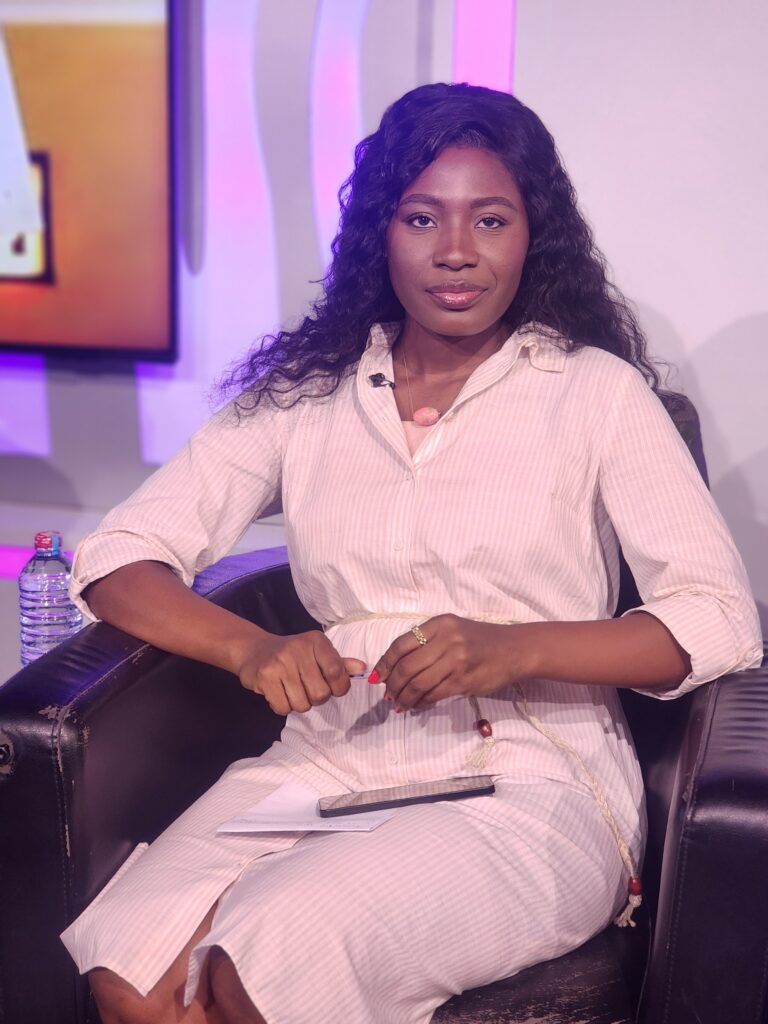
Representing the National Patriotic Party (NPP), the party’s Policy Committee Spokesperson on Education, Tabitha Apegyine Ayillah, defended the quality of the programme, insisting that available data supports its success.
“We are very proud of Free SHS because the data backs it,” she stated.
She pointed to WASSCE results between 2017 and 2023, arguing that students consistently recorded strong performances in core subjects.
Ms. Ayillah also maintained that qualified teachers and improved measures against examination malpractice ensured that educational standards had not been compromised.
She explained that the double-track system was introduced as a temporary measure to accommodate rising enrolment while more school infrastructure was being constructed.
According to her, several schools had already exited the double-track system before the previous administration left office.
She criticised the current government for failing to fulfil its promise to end double-track and expressed concern about the programme’s financial future.
“This government promised to end double-track, yet they still haven’t,” she said.
Ms. Ayillah urged government to prioritise the completion of ongoing school infrastructure projects to improve access and reduce congestion.
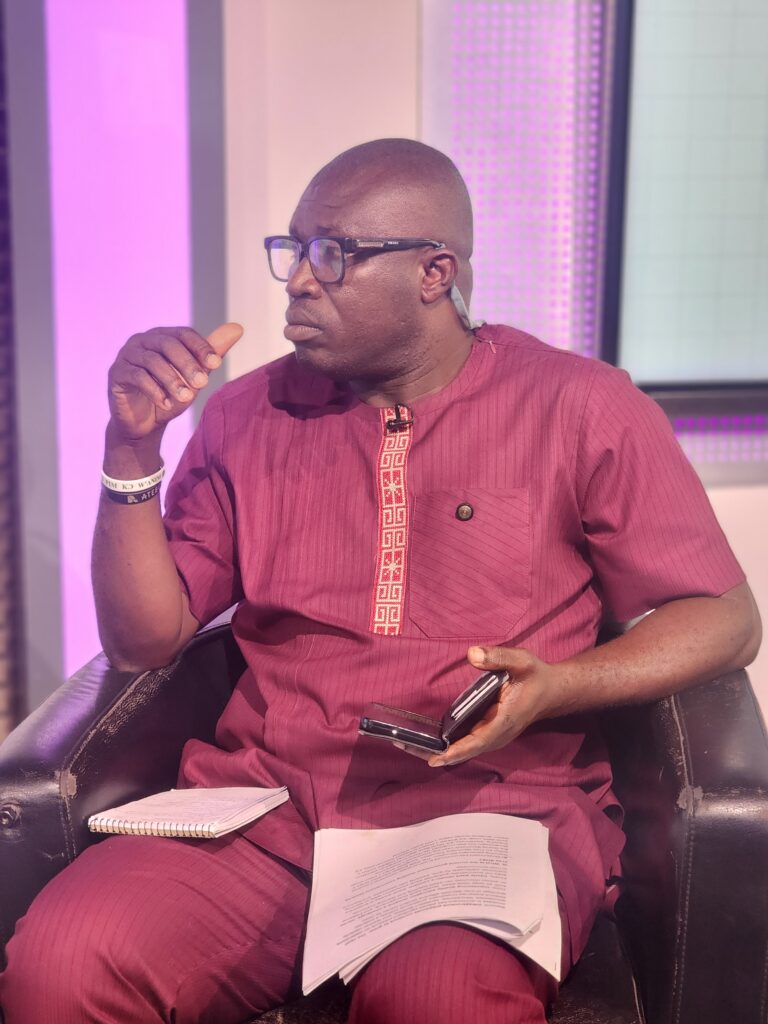
General Secretary of the National Council of Parent-Teacher Associations (NCPTA), Raphael Kofi Gapson, acknowledged that Free SHS has transformed secondary education but argued that the rapid increase in enrolment has placed pressure on educational quality.
“Education is measured by outcomes,” he said.
Mr. Gapson identified delayed release of funds as one of the biggest challenges facing schools, saying it affects feeding, teaching and learning materials and general administration.
He also highlighted inadequate infrastructure and the need for continuous teacher training to enable educators to cope with the changing demands of the education system.
Like the other panelists, he maintained that government alone cannot sustain the programme financially and called on parents who can afford it to contribute towards certain costs.
“Government cannot bear all the cost, so parents should also be responsible for certain expenses,” he said.
He added that government’s priority should be to provide a conducive learning environment rather than bear every cost associated with secondary education.
Mr. Gapson further challenged political leaders to demonstrate confidence in the policy by enrolling their own children in public senior high schools instead of private institutions.
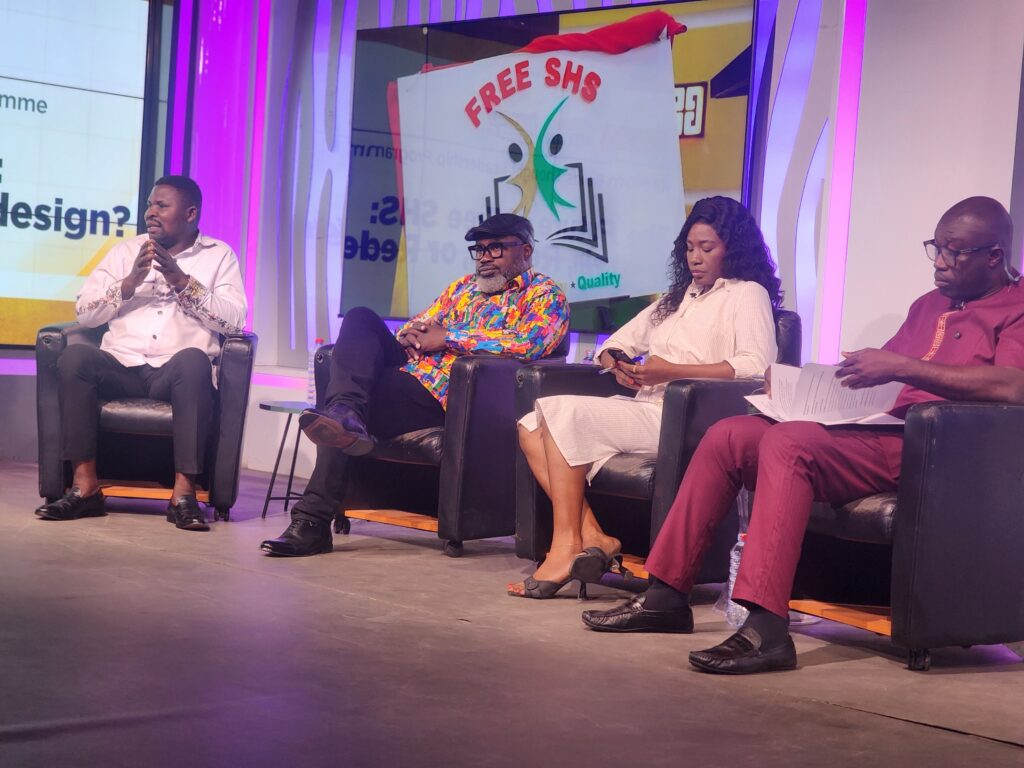
Despite the differing perspectives, the panelists agreed that Free SHS has fundamentally transformed access to secondary education and has become a permanent feature of Ghana’s educational landscape.
They concluded that the policy should be sustained, but with far-reaching reforms focused on improving financing, expanding infrastructure, strengthening teacher capacity, enhancing learning outcomes and ensuring that the programme remains financially sustainable for future generations.
READ ALSO:
Quality of Free SHS is not in doubt despite double-track concerns – Tabitha Ayillah
Free SHS foundation was weak, needs reforms to improve quality – Kwasi Gyetuah
Free SHS’s greatest achievement is expanding access – Kofi Asare