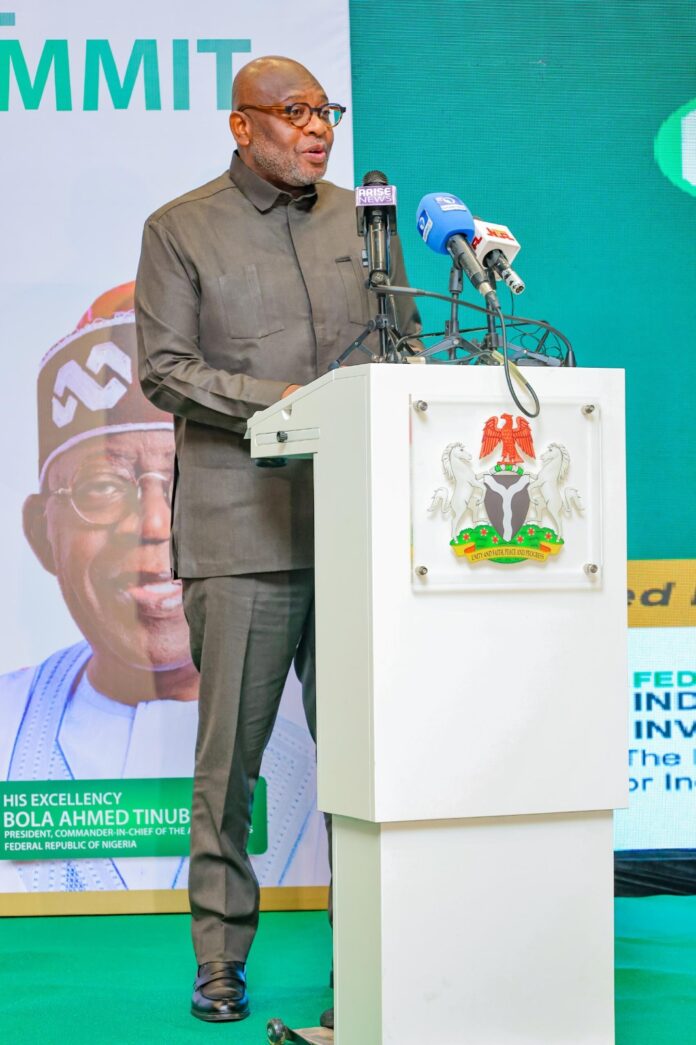

The Chief Executive of the Ghana Cocoa Board (COCOBOD), Dr Ransford Abbey, has called on Africa’s leading cocoa-producing countries to unite in boosting local cocoa processing and securing better prices for farmers through collective action.
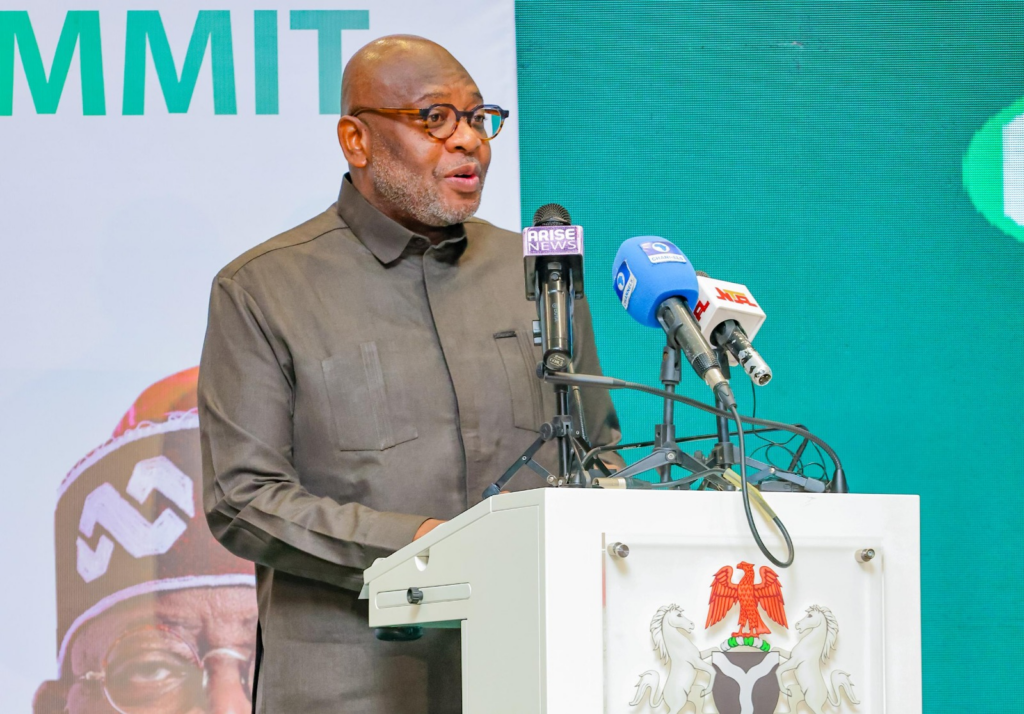
Delivering a goodwill message at the Cocoa Value Addition Summit 2026 in Abuja, Nigeria, Dr Abbey said Africa must move beyond exporting raw cocoa beans and instead focus on value addition to generate wealth, create jobs and strengthen economies.
Speaking on the theme “Moving Beyond the Bean: Unifying Africa for Value Addition and Price Sovereignty,” he noted that although Africa produces about 75 to 77 per cent of the world’s cocoa, the continent earns less than 10 per cent of the global chocolate industry’s value.
He described the situation as a long-standing economic imbalance rooted in the colonial era, where African countries export raw cocoa only to import expensive finished chocolate products.
“The time to unite and command greater value is now,” Dr Abbey stated, stressing that Africa must shift from exporting raw commodities to processing more cocoa locally.
As part of Ghana’s strategy, Dr Abbey announced that COCOBOD aims to process at least 50 per cent of the country’s cocoa beans locally beginning with the 2026/2027 crop season.
He said the Board is introducing a new domestically financed funding model to replace the offshore syndicated loan system, giving COCOBOD greater flexibility to sell cocoa directly to local processors and increase factory utilisation.
He added that COCOBOD is also promoting public-private partnerships to expand domestic processing capacity and increase the production of cocoa liquor, butter and cake for both traditional and emerging markets.
Dr Abbey further urged African countries to leverage the African Continental Free Trade Area (AfCFTA) to promote tariff-free trade in processed cocoa products and stimulate cocoa consumption across the continent.
On regional cooperation, he highlighted the achievements of the Côte d’Ivoire-Ghana Cocoa Initiative (CIGCI), including the introduction of the Living Income Differential (LID), which provides a permanent premium of US$400 per metric tonne to improve cocoa farmers’ incomes.
He also referenced the June 16, 2026 Presidential Cocoa Summit in Abidjan, where President John Dramani Mahama and Côte d’Ivoire President Alassane Ouattara signed a declaration to harmonise farm-gate pricing policies, strengthen scientific cooperation, increase local processing and expand the cocoa initiative to include Nigeria and Cameroon.
According to Dr Abbey, the inclusion of Nigeria and Cameroon would bring together countries responsible for about 75 per cent of global cocoa production, creating a stronger negotiating bloc capable of influencing global prices and protecting farmers’ interests.
He said a united front would also enable the four countries to coordinate cocoa supply, negotiate collectively with multinational buyers and resist unfair market conditions that fail to adequately compensate farmers for meeting sustainability requirements.
Dr Abbey concluded by urging African leaders to seize the opportunity to transform the continent’s cocoa industry through deeper cooperation.
“We do not need charity; our farmers deserve equity,” he said, adding that Ghana would continue to champion the call for origin-led value addition when it hosts the 2027 World Cocoa Foundation Partnership Meeting in Accra.
READ ALSO:
Arrests over false publications risk reviving criminal libel – Sulemana Braimah