
The government has committed GH¢10.7 billion to the National Health Insurance Scheme (NHIS) for 2025, with GH¢6.5 billion earmarked for claims payments to healthcare providers in a move aimed at improving cash flow within the health sector and supporting the implementation of the Free Primary Healthcare programme.
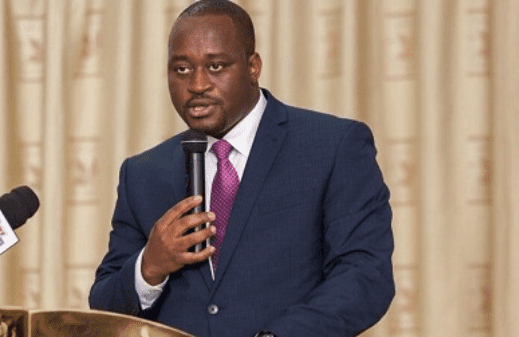
Technical Advisor at the Ministry of Finance, Dr. Theo Acheampong, announced the allocation while delivering a speech on behalf of Finance Minister Dr. Cassiel Ato Forson at the 2026 Annual Conference of the Christian Health Association of Ghana (CHAG) in Koforidua.
According to him, the allocation reflects government’s commitment to strengthening healthcare financing following the uncapping of the National Health Insurance Fund, which has made more resources available for health spending.
“We are pleased to report that there are now more resources available to support these critical investments. Following the uncapping of National Health Insurance Fund resources, additional funding is now available to strengthen the National Health Insurance Authority and support priority investments across the health sector,” he said.
Dr. Acheampong said government recognises that delayed reimbursements have long affected healthcare providers, making timely claims payments a key priority under the new financing arrangements.
“For 2025, Parliament approved GH¢10.7 billion for the NHIS, of which GH¢6.5 billion has been allocated for claims payments. This represents one of the strongest commitments to provider payments in recent years,” he stated.
He said the objective is to ensure healthcare providers spend more time caring for patients instead of pursuing outstanding reimbursements.
“Our objective is simple. Health facilities should spend more time caring for patients and less time chasing outstanding claims,” he added.
The funding comes as government rolls out the Free Primary Healthcare programme, one of its flagship health reforms designed to remove financial barriers to essential healthcare while strengthening disease prevention, health promotion and early diagnosis.
According to Dr. Acheampong, sustaining the programme will require a financially stable National Health Insurance Scheme capable of reimbursing service providers promptly and supporting expanded access to care.
He noted that government would continue investing in health infrastructure, recruit and deploy more health workers and strengthen partnerships with organisations such as CHAG to improve healthcare delivery, particularly in underserved communities.
The Finance Ministry also reiterated government’s commitment to ensuring CHAG facilities benefit from investments under the Free Primary Healthcare programme, describing the faith-based health provider as a strategic partner in achieving Universal Health Coverage.
“Government cannot achieve Universal Health Coverage alone. Partnership remains essential,” he said.
Beyond public funding, Dr. Acheampong acknowledged that Ghana’s health sector faces increasing pressure from declining development assistance and donor support.
He said this makes it imperative for the country to strengthen domestic health financing, improve efficiency and accountability, and explore innovative financing mechanisms to sustain healthcare delivery.