

Hypertension is becoming an alarming public health concern in Ghana, with many people living with the condition without knowing it. Health experts say the situation is worsening as lifestyle changes, environmental factors and limited awareness continue to fuel the growing burden of high blood pressure across the country.
A physician specialist and nephrologist at Korle Bu Teaching Hospital, Dr. Mensah Amoah, indicates that research conducted in Ghana in 2015 and 2019 revealed that about three out of every ten Ghanaians aged 20 years and above are living with hypertension.
A significant number of these individuals remain unaware of their condition because high blood pressure often presents no obvious symptoms.
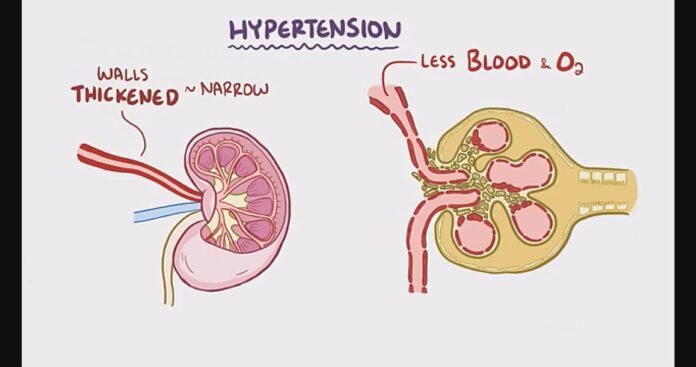
Medical experts warn that untreated hypertension can lead to serious complications including heart failure, kidney failure, stroke and blindness, as the condition gradually damages vital organs in the body over time.
Recent studies also suggest that the number of people living with hypertension in Ghana continues to rise, while the level of awareness among the population remains low. Health professionals attribute the trend to several factors, including hereditary predisposition, sedentary lifestyles, excessive salt intake and unhealthy diets.
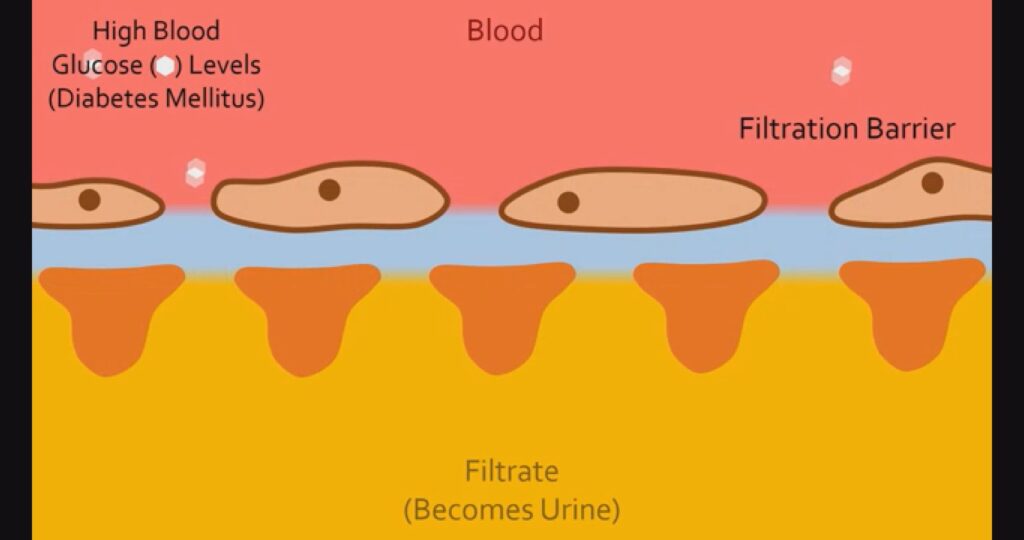
Environmental pollution is also emerging as a contributing factor, with experts explaining that polluted environments can trigger inflammation in the body, which may increase the risk of developing hypertension.
At the Korle Bu Teaching Hospital, the impact of the condition is already evident in the large number of patients seeking care. The facility reportedly attends to about 100 patients daily, with approximately 30 referrals each day involving hypertension and diabetes diagnosis.
Doctors warn that the cost of treating complications related to hypertension can be extremely high. Kidney dialysis, which becomes necessary when hypertension leads to kidney failure, costs about GH₵6,000 per month, placing a heavy financial burden on patients and their families.
Health professionals are therefore urging Ghanaians to take preventive measures by undergoing regular medical check-ups, engaging in physical exercise and adopting healthier lifestyles to reduce the risk of developing hypertension.
