
Every year, the rains come. Every year, Accra floods. Every year, lives are lost, homes disappear beneath muddy waters, businesses collapse, and families begin again from nothing. And every year, after the waters recede, so does our outrage.
Then we wait for the next tragedy.
The latest floods that swept through parts of Accra have once again exposed not merely a failure of drainage systems but a deeper failure of leadership, planning, enforcement, and collective responsibility.
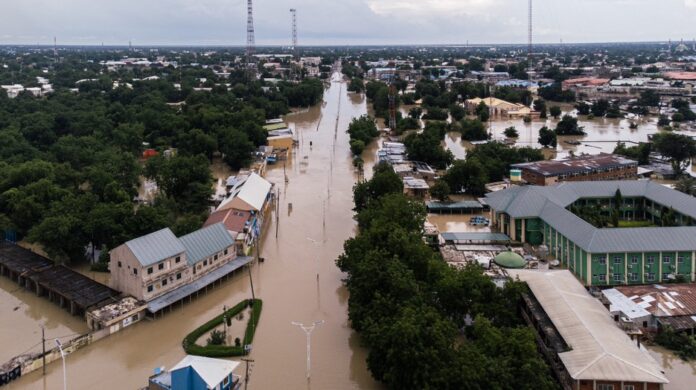
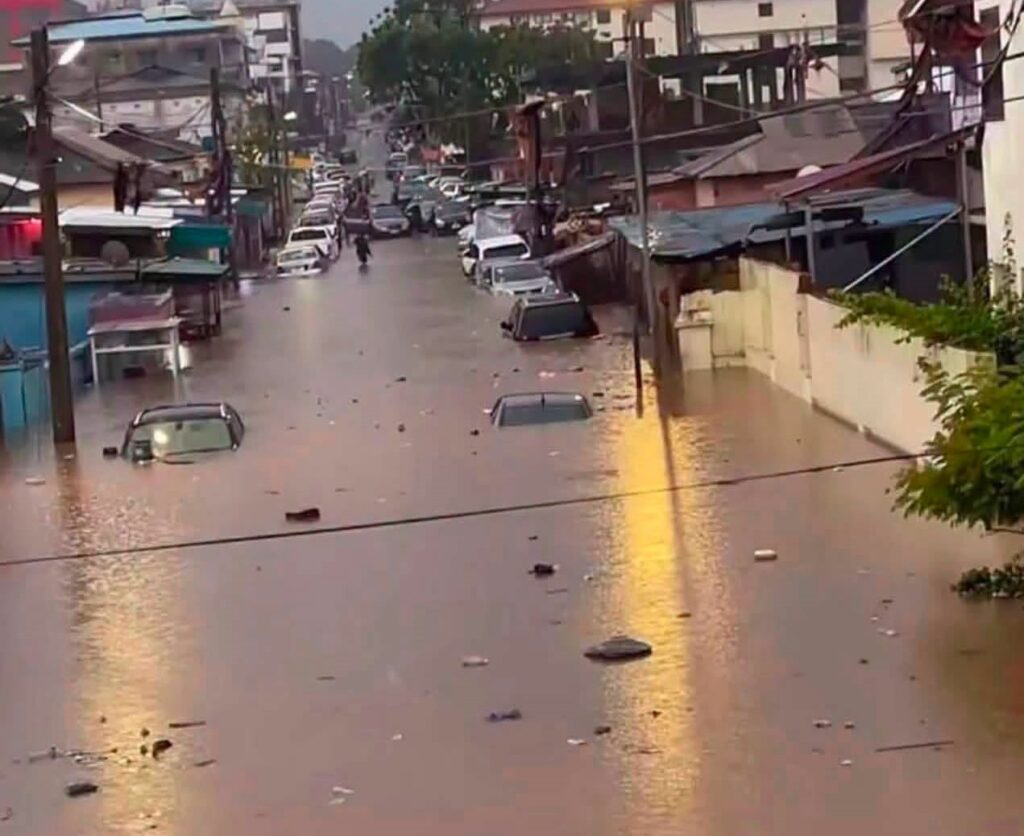
Images circulating across social media are haunting: vehicles submerged almost to their roofs, terrified families carrying children through waist-deep water, traders watching years of investment vanish in minutes, and emergency responders risking their lives to save others.
This is no longer a natural disaster. It is a manufactured national embarrassment.
Rain does not kill people. Negligence does.
The conversations dominating social media reflect a public that has reached its breaking point. Across Facebook, X, TikTok, Instagram, and online news portals, one message echoes consistently: Enough is enough.
Many Ghanaians are asking painful but legitimate questions. How can a city that has experienced decades of flooding still be caught so unprepared? Why do we continue to permit construction on waterways?
Why are drains left clogged with plastic waste despite countless public education campaigns? Why are recommendations after every disaster forgotten before the next rainy season?
Most importantly, who is being held accountable? These are not questions born out of anger alone. They are questions born from grief.
For too long, flooding in Accra has been treated as an unavoidable seasonal inconvenience rather than the national emergency it has become.
Yet cities around the world experience heavier rainfall without descending into annual chaos. The difference lies not in geography but in governance.
The tragedy unfolding in Accra is the consequence of years of poor urban planning, weak enforcement of building regulations, inadequate investment in drainage infrastructure, political short-termism, and an alarming culture of impunity.
Illegal structures continue to rise where rivers once flowed freely. Storm drains become dumping grounds for plastic bottles, refuse, and construction debris.
Wetlands that once absorbed excess water are sacrificed for real estate developments.
Nature always reclaims what belongs to it.
When water cannot follow its natural course, it creates a new one—through homes, markets, schools, hospitals, and highways.
Yet government alone cannot shoulder the blame. Citizens who dump refuse into drains cannot absolve themselves of responsibility.
Landowners who knowingly build on waterways gamble not only with their own lives but with the safety of entire communities.
Developers who bypass regulations, and officials who look the other way in exchange for political or financial convenience, become silent partners in every flood-related death.
The floodwaters expose more than our streets.
They expose our values. What makes this year’s devastation particularly heartbreaking is not simply the physical destruction but the emotional exhaustion visible across the nation.
Young entrepreneurs who invested their savings have lost everything overnight. Parents wonder how they will replace school supplies soaked beyond recovery.
Families mourn loved ones whose only mistake was being caught in a city that has repeatedly failed to protect them.
Behind every viral video lies a human story. Behind every trending hashtag lies someone’s nightmare.
The true cost of flooding cannot be measured only in cedis spent on damaged infrastructure.
It must also account for interrupted education, lost livelihoods, declining investor confidence, rising insurance costs, increased healthcare burdens, psychological trauma, and the growing belief among citizens that disaster has become normal.
Nothing could be more dangerous than normalising preventable tragedy. Our response must move beyond sympathy.
Emergency relief is essential, but relief without reform is merely preparation for the next disaster. Accra needs more than promises made during press conferences.
It requires an integrated flood resilience strategy backed by political courage rather than political convenience. Drainage systems must be redesigned for today’s urban realities, not yesterday’s population.
Illegal structures obstructing waterways must be removed consistently and lawfully, regardless of who owns them. Waste management must become efficient enough that drains are never mistaken for rubbish bins.
Building regulations must be enforced without fear or favour. Climate resilience must become a national development priority rather than an afterthought discussed only when disaster strikes.
Most importantly, accountability must cease to be selective. Every ministry, assembly, contractor, developer, institution, and citizen whose negligence contributes to recurring floods should answer not merely to public criticism but to the law.
Nations do not become resilient by surviving disasters. They become resilient by learning from them. The resilience of ordinary Ghanaians has never been in doubt.
It is visible in neighbours rescuing strangers, volunteers distributing food, young people organising clean-up campaigns, and communities rebuilding together after every catastrophe.
But resilience should never become an excuse for institutional failure. Our people deserve better than perpetual recovery. They deserve prevention.
As climate change intensifies rainfall patterns across West Africa, the cost of inaction will only rise.
What appears today as an environmental challenge may tomorrow become an economic crisis, a public health emergency, and a humanitarian disaster of even greater proportions.
History will not judge us by how many condolences we offered after the floods. History will judge us by whether we finally decided that enough was enough.
The waters will eventually disappear. The question is whether our memory will disappear with them.
If, after this latest tragedy, we once again return to business as usual, then the next flood will not be a surprise. It will be a choice.
And future generations will rightly ask why we allowed an avoidable disaster to become the defining symbol of our capital city.
The rain has spoken. Now Ghana must decide whether it is finally ready to listen.