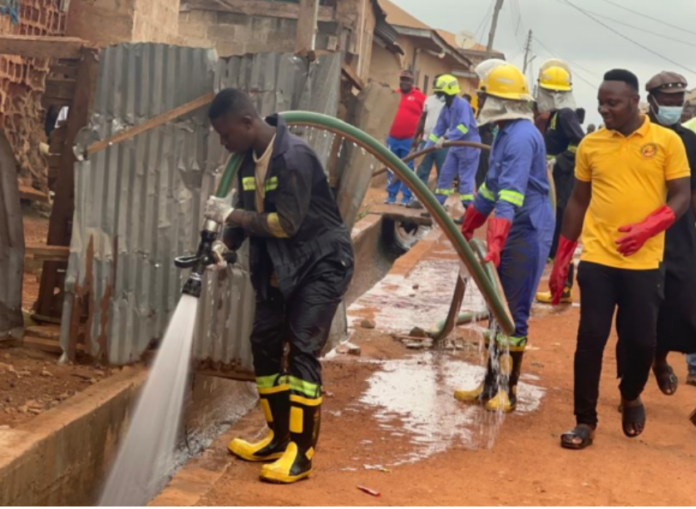

The Tano South Municipal Assembly has engaged limited casual workers for daily cleaning and is making plans to recruit additional personnel next year to plug the sanitation gap left by the expiration of the government’s contract with Zoomlion Ghana Limited.
Major public spaces across the municipality, including streets, market centers, and bus terminals, have been left unclean for days, with drains choked due to an acute shortage of sanitation staff following Zoomlion’s exit.
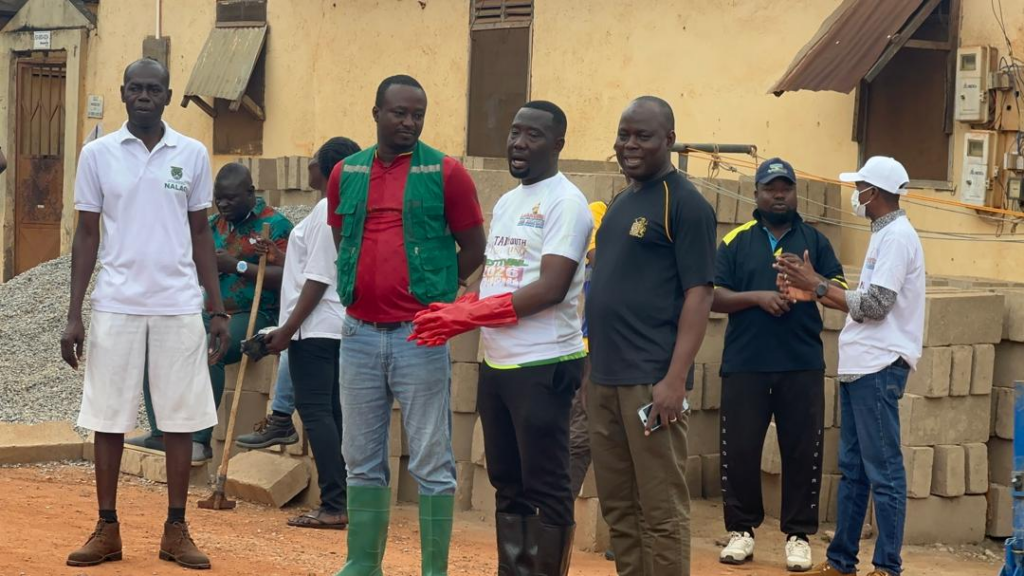
Speaking on Saturday, August 22, during a joint cleanup exercise held in collaboration with organizers of the Bechem Homecoming Festival 2026, Municipal Chief Executive (MCE) Emmanuel Kwame Frimpong indicated that hiring casual laborers is an immediate measure to maintain basic sanitation standards.
He noted that while the casual workers are few and inadequate, having them on the ground is better than having no intervention at all.

To permanently address the labor deficit, the MCE assured residents that plans are far advanced to recruit additional casual staff next year under the sanitation component of the District Assemblies Common Fund (DACF).
Mr Kwame Frimpong emphasized that while monthly cleanups are valuable, daily cleaning remains the best practice for sustainable waste management.
He stressed that environmental protection, sanitation, and health are shared responsibilities essential for eliminating filth-induced diseases and keeping the workforce healthy for economic growth and revenue generation.
Highlighting the scale of the challenge, Municipal Environmental Health Officer, James Oware, noted that sanitation management requires strategic and professional oversight. He warned that the present worker shortage is negatively impacting Water, Sanitation, and Hygiene (WASH) practices across local communities.
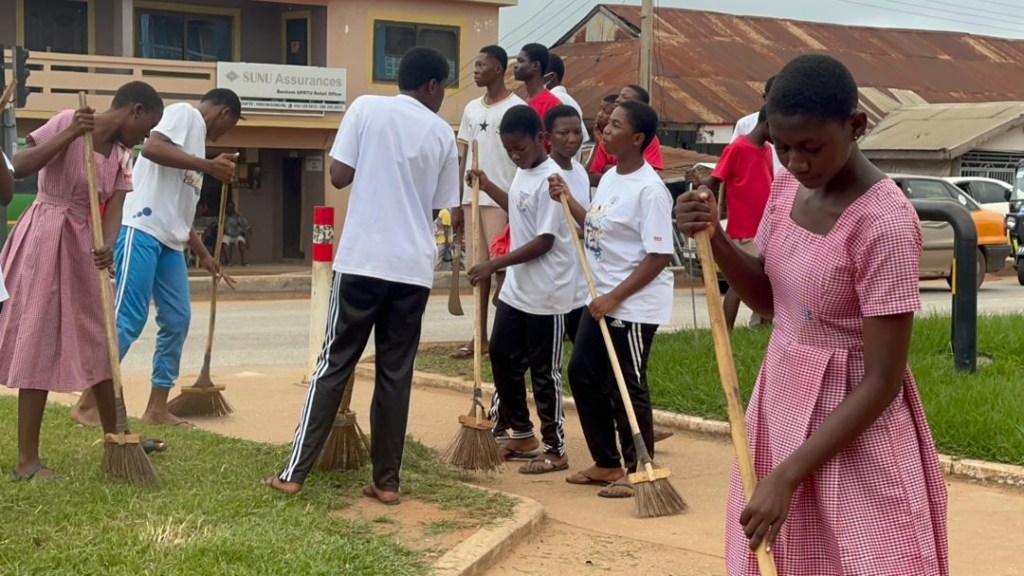
While welcoming the assembly’s plan to expand casual staffing next year, Mr Oware appealed to the central government to grant financial and policy clearances so local assemblies can hire adequate, full-time sanitation personnel.
He added that Zoomlion’s exit has placed immense pressure on the assembly’s limited casual staff, making official government authorization to hire permanent workers a critical step toward fixing the municipality’s sanitation issues.
The intervention by the Tano South Municipal Assembly aligns directly with United Nations Sustainable Development Goals (UN SDGs)3 on Good Health and Well-being, 6 on Clean Water and Sanitation, 8 on Decent Work and Economic Growth, and 11 on Sustainable Cities and Communities by preventing environmental degradation in major public markets and transit hubs.
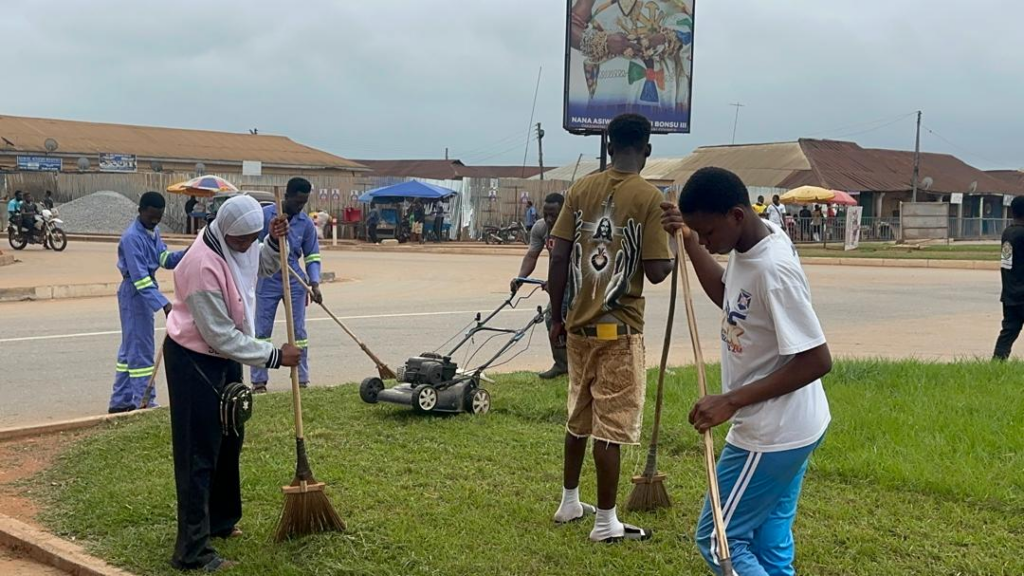
Addressing municipal sanitation bottlenecks yields significant long-term financial and macroeconomic advantages for Ghana.
Proactively preventing sanitation-related disease outbreaks reduces the burden on public healthcare infrastructure, directly lowering state spending on preventable medical treatments.
Well-maintained market centers and bus terminals stimulate local commercial trade, enabling assemblies to optimize internally generated funds and local revenue collection.
Minimizing workdays lost to preventable illness strengthens national human capital and workforce productivity, driving broader Gross Domestic Product (GDP) growth.
In addition, empowering local assemblies to hire directly decentralizes waste management solutions and creates sustainable municipal job opportunities for local youth.
READ ALSO:
Immigration officer killed, police officer critically injured in fatal crash at Assin Fosu
Foreign Affairs Ministry calls for articles on Ghana’s reparatory justice agenda