


The Sempe Stool in Accra has inaugurated a Customary Land Secretariat to improve land documentation, strengthen tenure security and help reduce ownership and boundary disputes within the traditional area.
The new secretariat, inaugurated on Wednesday, September 30, 2026, is expected to serve as a central repository for land records and provide landowners, investors and the general public with reliable information on land interests and transactions.

The ceremony brought together the Mayor of Accra, Michael Kpakpo Allotey, traditional rulers, queen mothers, priests and priestesses, officials of the Lands Commission, the Office of the Administrator of Stool Lands and other stakeholders.
Addressing the gathering, the Ga Mantse, King Tackie Teiko Tsuru II, urged other traditional areas, including Abola, Otublohum, Akamaje and Gbese, to establish similar secretariats to make land documentation and registration more accessible.
He said the establishment of the Sempe secretariat demonstrated the importance of collaboration between traditional authorities, the Office of the Administrator of Stool Lands and the Lands Commission in improving customary land administration.
The Ga Mantse also stressed the importance of proper land registration in view of the laws and regulations governing land administration in Ghana. He urged traditional authorities and landowners to take the necessary steps to comply with the legal framework provided under the Lands Act.
Administrator of Stool Lands, Dr Gad Asorwoe Akwensivie, said the secretariat was not established to take land away from existing owners or occupants, but to properly document and preserve information on land rights and transactions for present and future generations.
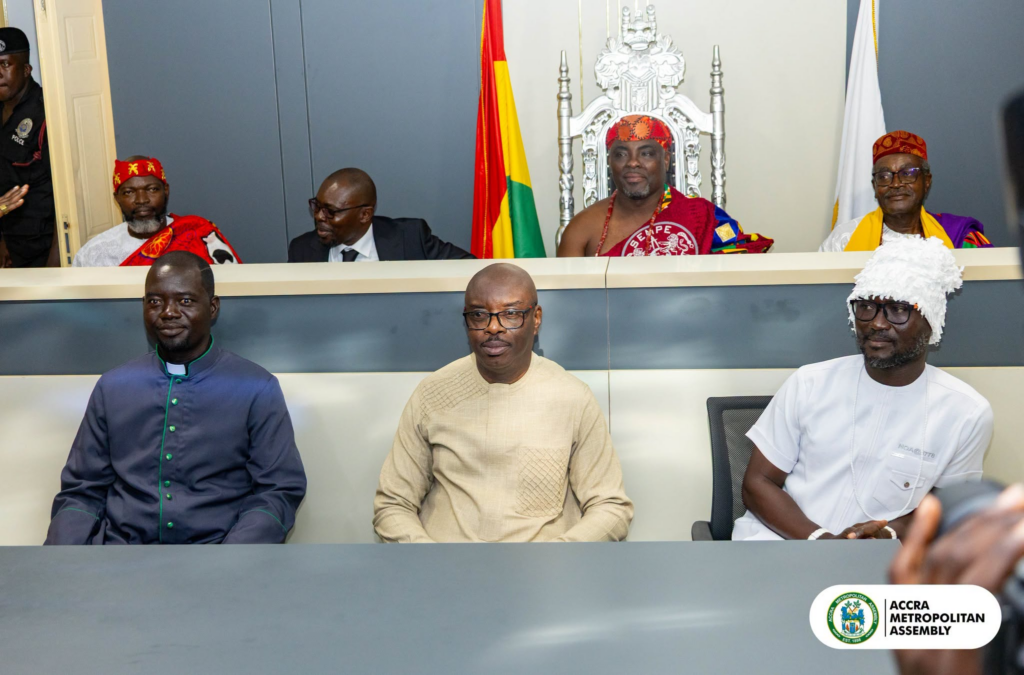
He explained that the facility would help the traditional authority document land interests, record transactions and provide accurate information to landowners, prospective investors and members of the public.
Dr Akwensivie said the secretariat would also contribute to tenure security and orderly land-use planning while supporting the resolution of disputes through alternative dispute resolution mechanisms.
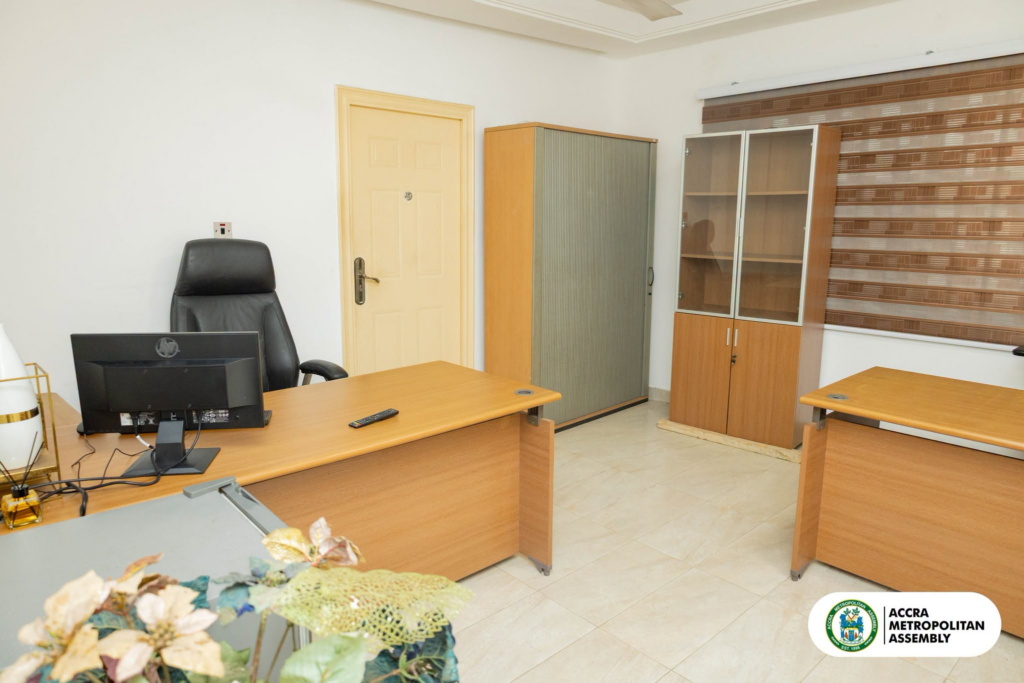
He noted that effective customary land administration could help reduce land-related litigation and the uncertainty that often surrounds land ownership and transactions.
The Administrator urged staff of the secretariat and members of its Land Management Committee to uphold integrity, professionalism and accountability, saying public confidence in the facility would depend on how effectively and transparently it was managed.
He also encouraged residents and landowners in Lartebiokorshie, Mamprobi, Mpoase, Kwashieman, Odorkor, Ablekuma, Anyaa and Sakaman to patronise the secretariat by documenting their land interests and supporting its operations.
He described effective customary land administration as a shared responsibility requiring cooperation among traditional authorities, state institutions, landowners and members of the public.