
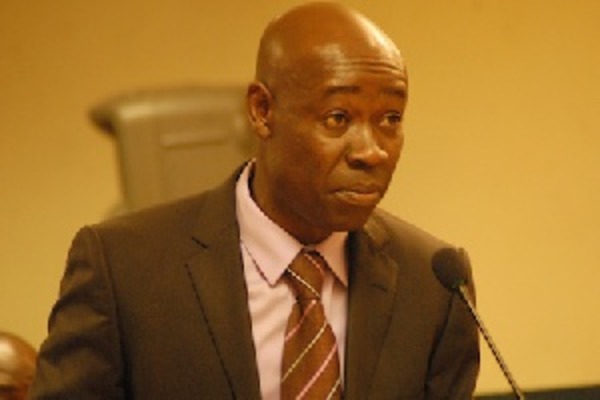

Private legal practitioner Thaddeus Sory has delivered a scathing critique of Ghana’s anti-corruption fight, arguing that the challenges facing the Office of the Special Prosecutor (OSP) stem not from the law but from those entrusted to enforce it.
In a strongly worded Facebook post, he dismissed claims that legal constraints are the primary obstacle, insisting instead that Ghanaians have developed a culture of shifting blame rather than taking responsibility.
“None of them accepted responsibility for their actions. And that is just who we Ghanaians are,” he wrote, drawing parallels with the biblical story of Adam and Eve.
Sory challenged the widespread narrative that Ghana’s legal framework is to blame for ineffective anti-corruption efforts, particularly regarding the OSP.
“We are unanimous that we need to fight corruption… yet we turn around to blame the very law we created for our failings,” he stated.
He pointed out that concerns about executive influence in the appointment of the Attorney-General also apply to the Special Prosecutor, since both roles are ultimately tied to presidential authority.
“The law mandates that the SP be appointed by the President… the same President who appoints the Attorney-General,” he noted.
Sory further highlighted provisions in the OSP law that, in his view, undermine its independence, including the Attorney-General’s role in recommending — and potentially influencing — the appointment of the Special Prosecutor.
“Taken together, these provisions raise legitimate concerns about the independence of the OSP,” he argued.
Despite this, he maintained that these issues were evident from the outset and should not now be used as excuses for underperformance.
The legal practitioner did not spare past and current officeholders, accusing them of consistently blaming external forces for their shortcomings.
Referring to high-profile matters such as the Cecilia Dapaah case, he rejected claims that the judiciary or other institutions were undermining the OSP.
“The present OSP’s fight is more around media sensationalism rather than showing a genuine fight against corruption,” he stated.
Sory questioned why the OSP cannot simply seek prosecutorial authorisation from the Attorney-General if required by law.
“Just how difficult is it to simply ask for the authorisation?” he asked.
He urged the Special Prosecutor to demonstrate commitment by exhausting available legal processes, including appealing unfavourable rulings.
“Let the SP show by trying… write for the authorisation and show us the response,” he challenged.
Sory concluded that the OSP has failed to demonstrate meaningful effort in executing its mandate, describing its track record as dominated by complaints rather than results.
“I will not blame the law. I blame the occupants of the office,” he declared.
He warned that calls for more power are unconvincing without evidence of effective use of existing authority.
“Arguing for more power… reinforces his concentration on personalising the office rather than fighting corruption.”
Touching on tensions involving figures such as Martin Kpebu and investigative journalist Manasseh Azure Awuni, Sory dismissed the situation as a distraction from the core issue.
“This is not an ego war… it is a mismatch,” he said.
He ended with a blunt assessment:
“If we cannot challenge the occupants to be more responsible… changing the law is pointless.”
