
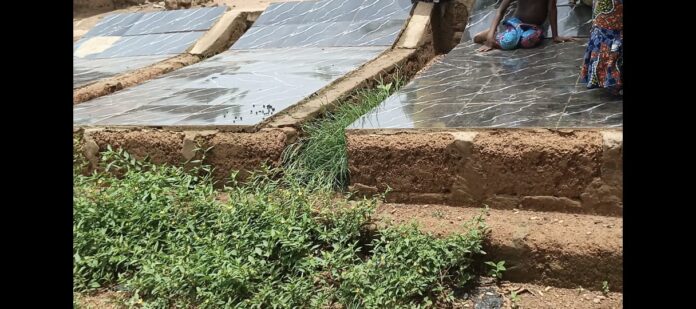

Relatives at home, describing it as a major impediment to water development efforts across the municipality.
According to him, the increasing number of home burials is creating significant challenges for the Assembly’s planning and implementation of reliable water systems.
The MCE raised the concern during his community engagement at Kechiebi, Ashiabre, and Odumase-Adele.
He explained that burial sites in residential compounds and undeclared locations often interfere with groundwater assessment processes, limiting where technical teams can safely and effectively conduct prospecting and drilling.
In communities where suitable drilling points are already limited, he warned, the presence of scattered graves further narrows options and slows down progress.
He cautioned that if the situation is not addressed, it could continue to undermine ongoing interventions aimed at providing safe and potable water for residents.
Beyond the impact on water projects, the MCE also pointed to broader public health and community safety concerns, noting that uncontrolled burial practices can heighten sanitation risks, particularly where grave sites are close to water sources, homes, and high-traffic areas.
He said the decision is intended to protect public health and support long-term development planning, especially in relation to water and sanitation infrastructure.
The MCE further alleged that the permit regime has been compromised by corruption.

He stated that although the official fee for a home burial permit is GH¢35,000, some sanitation officers have reportedly been accepting as little as GH¢4,000 to facilitate approvals—often for burials carried out at night.
Such actions, he said, weaken enforcement, undermine sanitation standards, and derail the municipality’s efforts to regulate land use and protect essential resources.
Residents who spoke to Adom News also expressed concern about the potential consequences of home burials, including the risk of disease outbreaks and the long-term impact on access to clean drinking water.
Many called on the MCE to strictly enforce the proposed ban and ensure that burial practices align with public health needs and the municipality’s development priorities.
The Assembly is expected to intensify public education and strengthen monitoring mechanisms to curb unauthorized burials, while working with traditional leaders and community stakeholders to promote safer, regulated burial practices.
READ ALSO:
Rainforest Alliance convenes stakeholders to deepen sustainability dialogue in the cocoa sector
EPA warns mining firms over galamsey in concessions, threatens sanctions
