
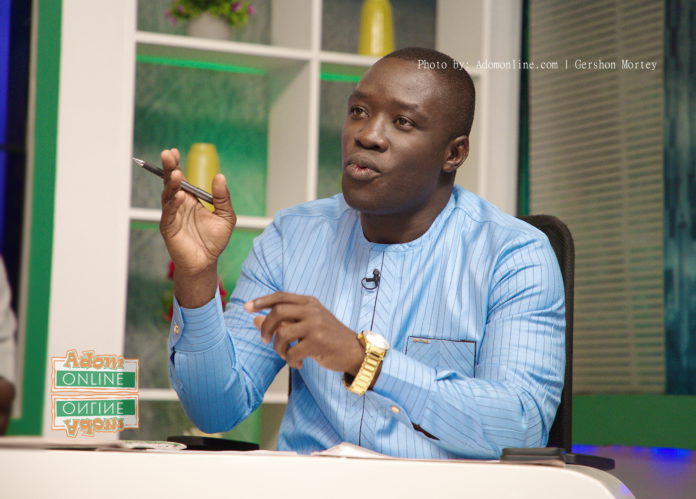

The Deputy Director General of the Narcotics Control Commission, Alexander Twum-Barimah, has disclosed that applicants who failed the ongoing security services recruitment due to drug use will be taken through counselling sessions by the Commission’s counselling directorate.
According to him, the move forms part of efforts to address rising drug abuse among the youth and support affected applicants through rehabilitation and behavioural change programmes.
Speaking on Asempa FM’s Ekosii Sen show, Mr Twum-Barimah explained that the drug screening exercise was the first of its kind in the security recruitment process and was conducted by the Narcotics Control Commission.
“It’s better detected early than never. And this is the first time a drug test is done,” he stated.
He explained that the screening tested applicants for five major drug substances including cocaine, heroin, amphetamine, cannabis and opioids.
According to him, traces of the substances could be detected in applicants’ systems within a 30-day period after usage.
“We did a lot of tests but our five main drug components are cocaine, heroin, amphetamine, cannabis and opioids. From the last thirty days the drugs would show in the system,” he said.
Mr Twum-Barimah disclosed that about 4,000 applicants failed the drug tests, with the majority testing positive for opioids and cannabis.
He revealed that some stakeholders are proposing the introduction of a national policy that would make drug screening mandatory for employment into state institutions.
“Some people are proposing we make it national policy so it becomes a one-stop so that when you fail the drug test you won’t get the job. This will help end the drug abuse among the youth,” he stated.
“If we are not drastic on these things we are losing our youth,” he added.
The Deputy Director General assured that affected applicants would not be abandoned, indicating that the Commission intends to guide them through counselling and rehabilitation processes.
“We have a counselling directorate so we have their data and we will take them through the counselling process,” he explained.
He further expressed hope that Ghana would establish a national drug rehabilitation centre to strengthen support systems for persons battling substance abuse.
“We are hoping that we can get a national drug rehabilitation centre to support,” he said.
Mr Twum-Barimah also stressed that the Commission’s priority remains tackling the entry points of illicit drugs into the country.
“My priority also is breaking the entry point. The people who bring it in. If they don’t get access to it how will you use it,” he added.
READ ALSO:
