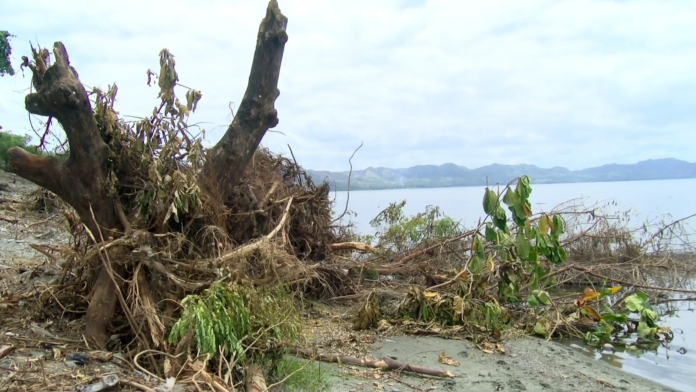

West Africa’s largest natural lake, Lake Bosomtwe in the Ashanti Region, could lose its UNESCO-recognition as a biosphere reserve following an invasion and destruction of large tracts of ecologically protected zones along the banks of the lake.
Several acres of land hosting critical trees, including ones planted by the Asantehene over a decade ago to protect the lake, have all been felled by unknown developers.
Authorities are warning that the destruction of these critical zones poses serious environmental risks to safeguarding the already-receding water body.
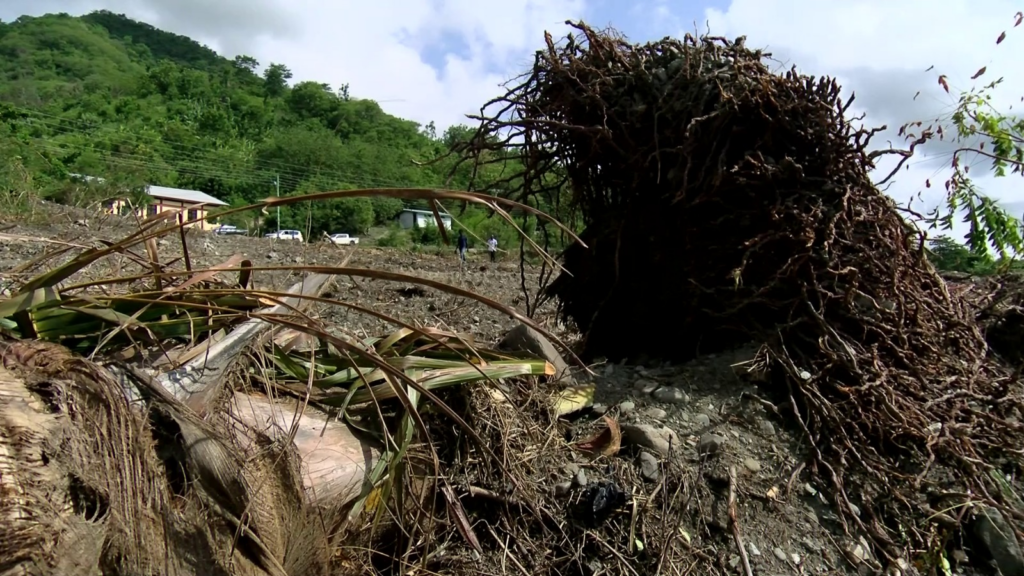
Emmanuel Bright Quaicoe joined a team from the Environmental Protection Authority, the Water Resources Commission and A Rocha Ghana to the affected community in efforts to find the perpetrators of this environmental destruction.
On Tuesday, April 14, residents along Lake Bosomtwe woke up to earth-moving equipment destroying a parcel of land they had conserved for biodiversity.
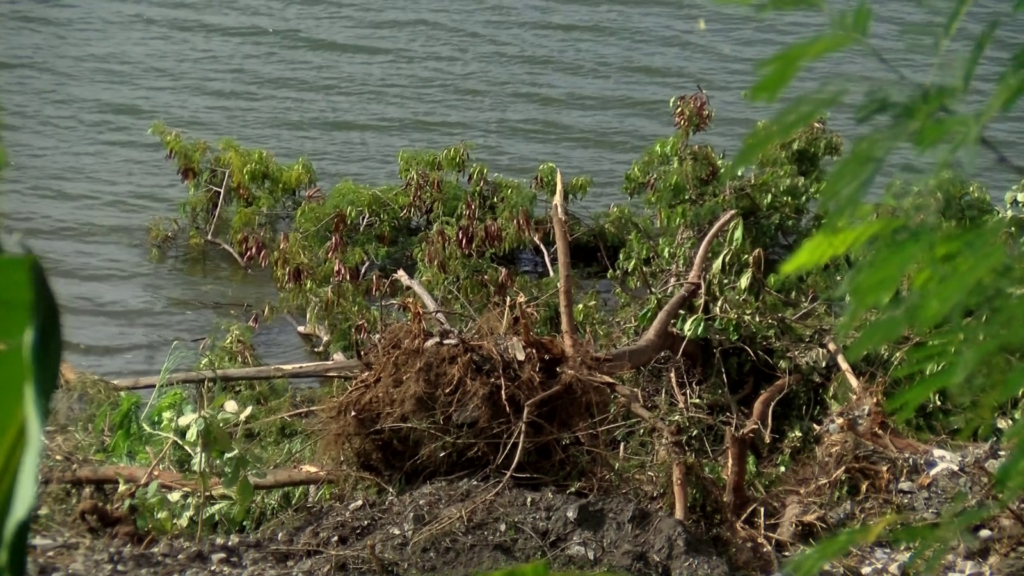
Large tracts of ecological lands spanning three communities along the banks of the lake have been destroyed by an unknown private developer.
In 2012, the Asantehene Otumfuo Osei Tutu II led efforts to grow vast environmentally friendly indigenous trees along the banks of the water.
The area, demarcated into two ecologically protected zones, is now gone.
Residents like Kwame Agyei, who joined the tree planting exercise, are unhappy.
Visibly worried over the destruction, Programs Manager at A Rocha Ghana, Prosper Kwame Antwi-Boasiako, explains the ecological importance of the zones to the water body.
“It’s specifically within the core zone, and working collaboratively with the communities over the years, we have planted different tree species here as well as fruit trees. We specifically wanted to ensure that the biodiversity of the place is kept intact for ecological integrity. We also incorporated different fruit tree species for the purpose of economic gains and benefit to the communities,” he said.
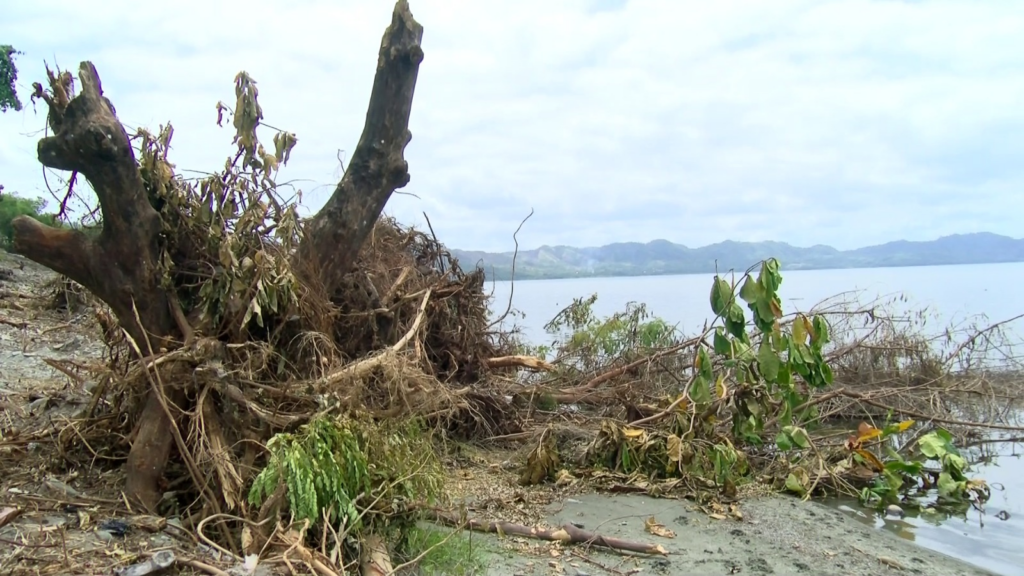
He continued that: “When it rains, there is going to be erosion. So, there will be increased sediment load in the water body, which means the lake is going to continue to recede. Also, because of farming and looking at the landscape, chemicals would wash into the lake.”
There are concerns the recent developments in the ecologically reserved zone have serious implications, including the water body losing its international recognition as a biosphere reserve by UNESCO.
“According to the statutes of the biosphere reserve, every ten years there is a review process and we are currently in the tenth year. If we do the review and we realise that the core area and the buffer area have been reduced, it means that we lose that opportunity to still be a biosphere reserve,” Dr. Abena Dufie-Wiredu Breman, Deputy Director of the Water Resources Commission in the Ashanti Region, said.
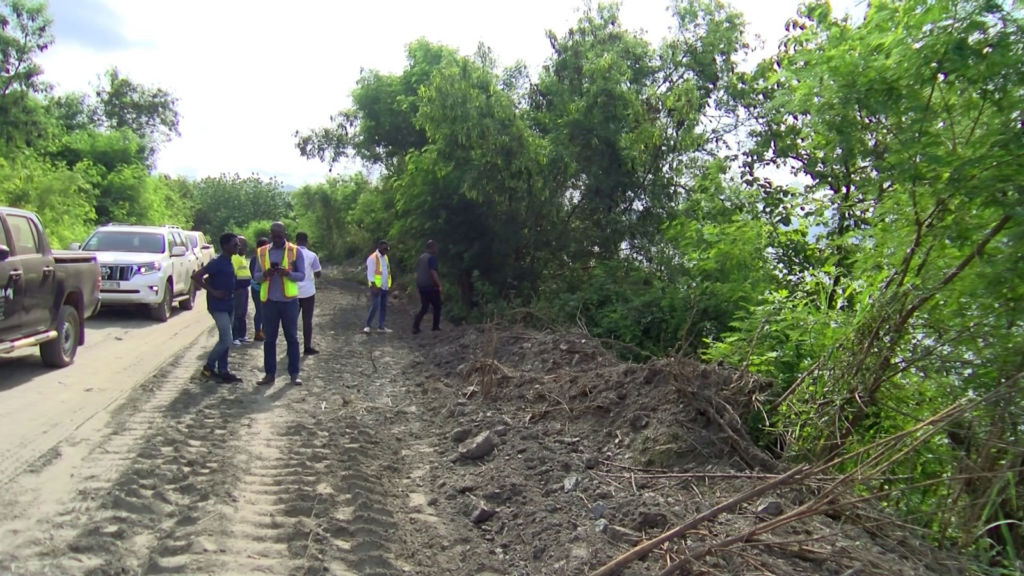
Meanwhile, the EPA has directed a halt in operations around the lake until investigations are completed.
Ashanti Regional Director of the EPA, Dr. Jackson Adiyiah Nyantakyi, explained that the individual is yet to be identified.
“We have, based on the Environmental Protection Act 1124, issued an enforcement notice directing the person to halt further development. Those people have been further invited to meet the Water Resources Commission, Environmental Protection Agency, and there is also an NGO partnering with the regulatory bodies to ensure that this natural body is preserved,” he noted.