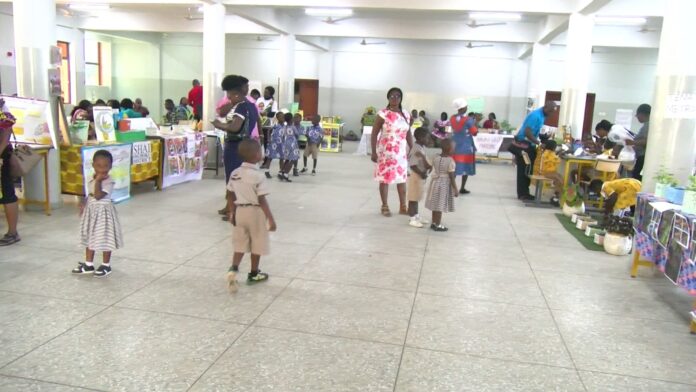

The future of Ghana’s science and technology sector may well be taking shape in the country’s kindergartens, as young learners dazzled judges and organisers with impressive STEM (Science, Technology, Engineering and Mathematics) projects at a regional competition.
The event, which brought together pupils from 21 Metropolitan, Municipal and District Assemblies (MMDAs), showcased the remarkable creativity, curiosity and problem-solving abilities of children at the foundation level, proving that age is no barrier to innovation when learners are given the right opportunities.
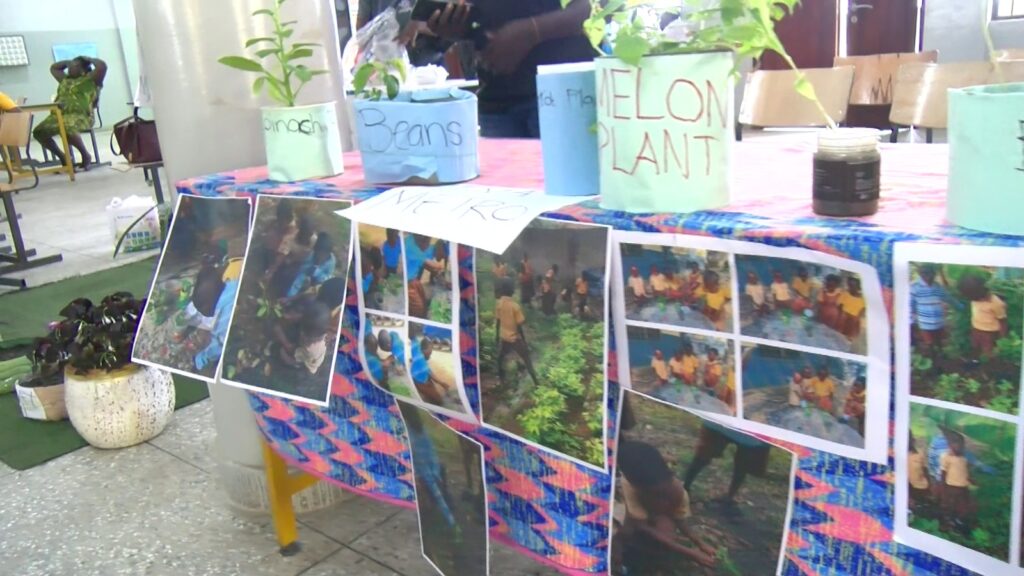
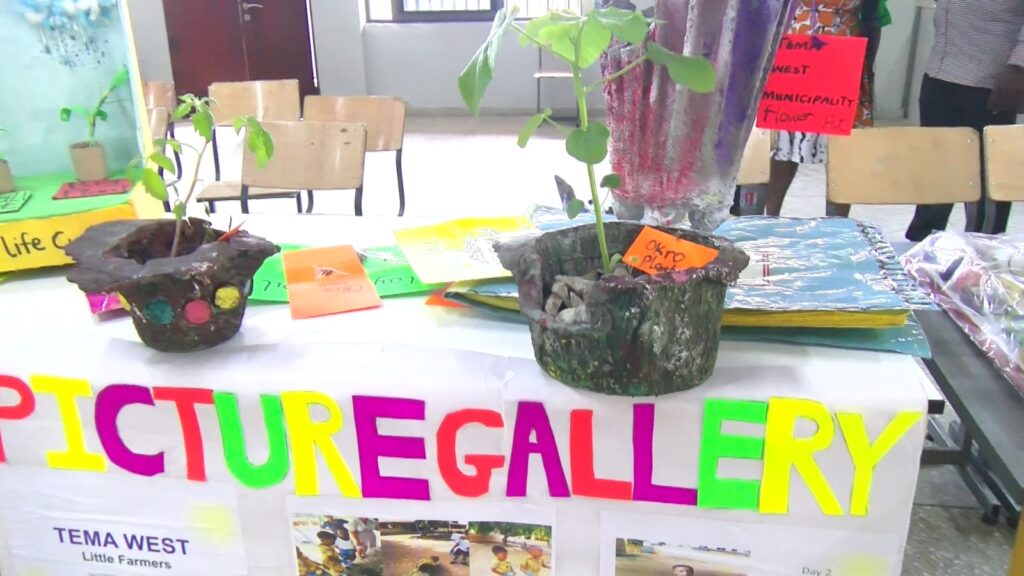
From simple technological inventions to agricultural solutions and practical classroom innovations, the kindergarten pupils confidently explained their projects, demonstrating critical thinking skills and an ability to apply knowledge to solving everyday challenges.
The exhibition left judges and education stakeholders impressed, with many describing the projects as clear evidence that investing in STEM education from the earliest stages of learning can unlock children’s full potential and prepare them for future careers in science, engineering and technology.
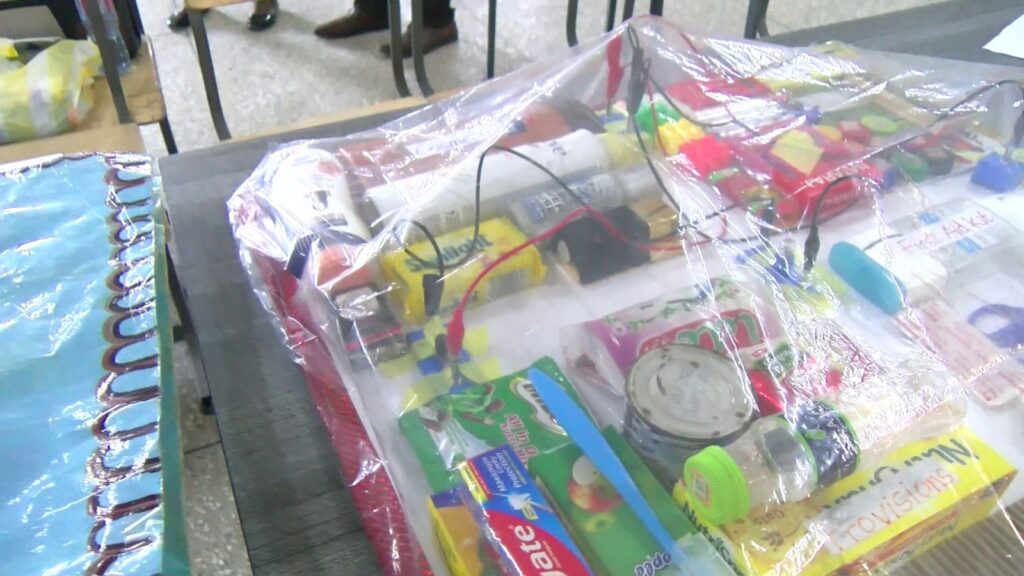
Organisers said the quality of the projects highlighted the growing importance of foundation learning in Ghana’s education system, emphasizing that STEM education should not begin only at the upper primary or secondary levels.
Instead, they believe introducing children to inquiry-based learning, experimentation and innovation at the kindergarten stage helps nurture curiosity, creativity and analytical thinking, skills that are increasingly essential in a technology-driven global economy.
Speaking to Adom News, the Regional Early Childhood Coordinator, Victoria Yeboah, underscored the need for greater investment in early childhood education, particularly in STEM.
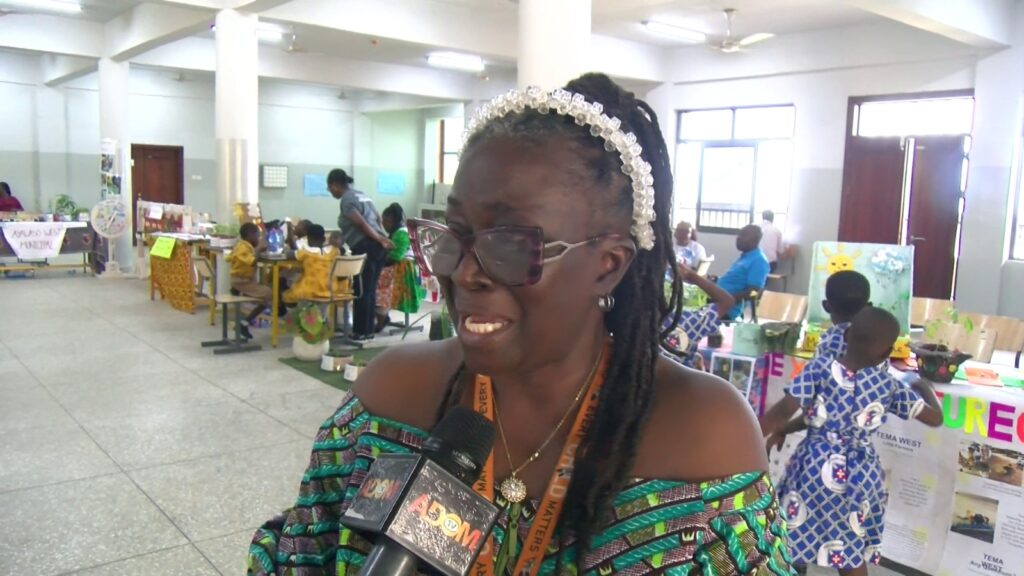
She noted that while government has made significant strides in improving access to education, more attention must be paid to foundation learning to identify and nurture children’s talents before they progress through the education system.
According to her, children naturally possess curiosity and a desire to explore their surroundings, and exposing them to STEM concepts at an early age helps transform that curiosity into innovation and practical problem-solving abilities.
Education experts at the competition echoed similar sentiments, arguing that the country’s ambition to become globally competitive in science, technology and innovation can only be achieved by strengthening STEM education at the foundation level.
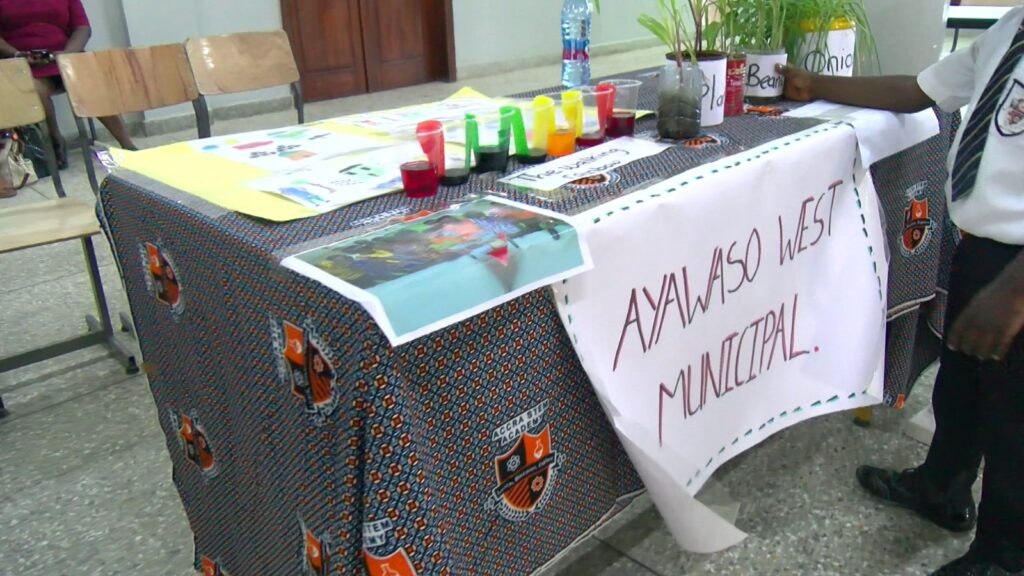
Judges commended the confidence, originality and presentation skills displayed by the young learners, describing the competition as proof that Ghana is home to enormous untapped talent waiting to be developed.
They called on government, parents, development partners and the private sector to invest more resources in STEM education at the kindergarten and basic school levels, insisting that providing children with the right learning environment today will produce the scientists, engineers, inventors and technology leaders Ghana will need tomorrow.
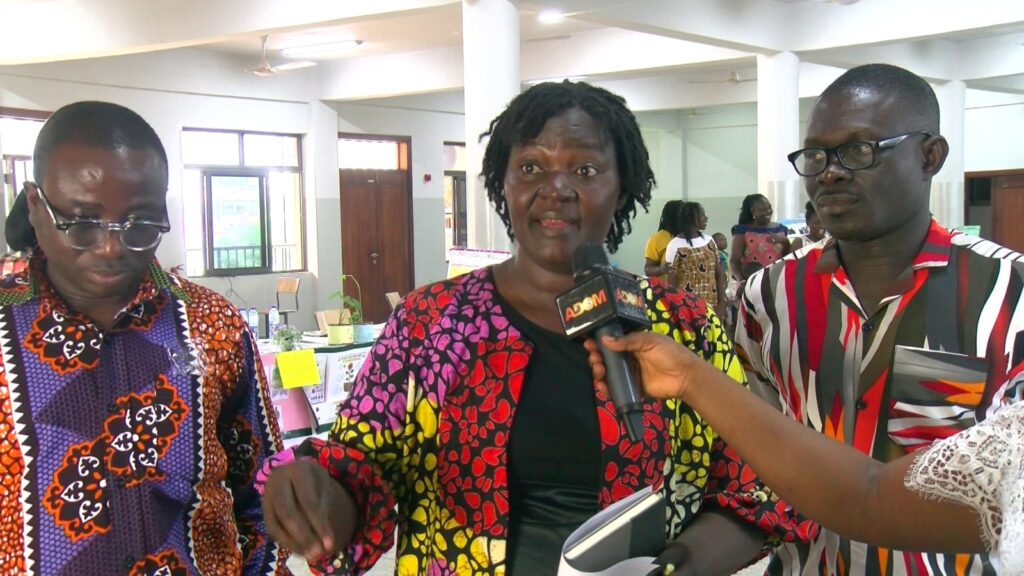
The competition served as a powerful reminder that building a strong STEM ecosystem begins not in laboratories or universities, but in kindergarten classrooms, where young minds are first encouraged to ask questions, explore ideas and imagine solutions that could shape the future of the nation.