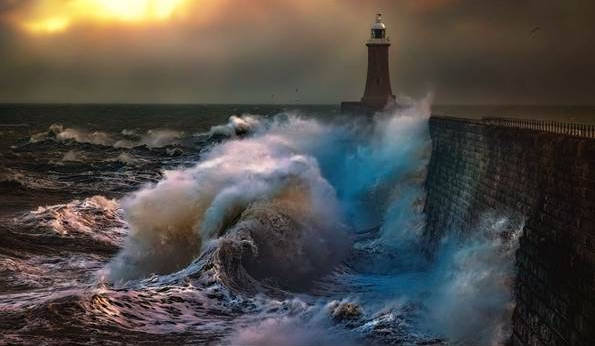

In April 2021, The Fourth Estate published “Darkness in a Lighthouse”. It was a three-part series about six former pastors of Lighthouse Chapel International. They said the church had not paid their pensions, had made them pay for church buildings, and had treated them badly. The series spread fast and is still what many people find first when they search for the church.
But a headline is a question, not an answer. The answer has come year by year, from the pensions regulator and from the courts. This article follows that trail in order.
2021: The regulator examines the Darkness in a Lighthouse pension claim
Darkness in a Lighthouse said the church owed the six pastors “42 years and five months” of SSNIT pensions. Before the articles were even published, the pastors had taken that claim to SSNIT. SSNIT investigated for three months.
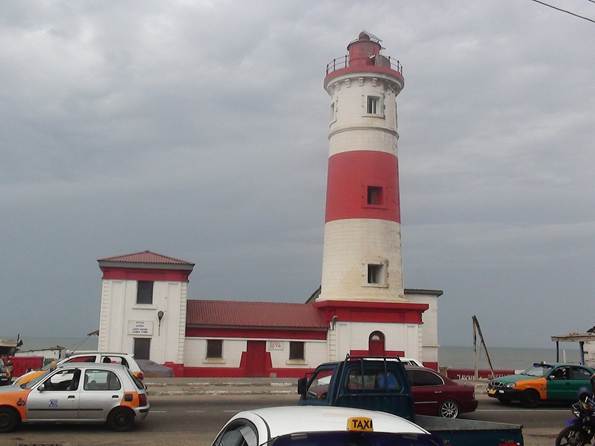
On 20 August 2021, SSNIT gave its decision. For five of the six pastors, it found no employer–employee relationship with Lighthouse Chapel International Ghana in the years they claimed for. Most of them had been working for the church’s branches abroad — in South Africa, Madagascar, Burkina Faso, Liberia and Nigeria — which are separate employers. Where a pastor had been employed in Ghana, SSNIT confirmed his contributions had been paid. SSNIT said it could not make the church pay what the pastors were asking for.
So within four months of publication, the biggest claim in the series had been examined by the body responsible for pensions in Ghana, and it had not been found.
2022: The High Court rules on the Darkness in a Lighthouse articles
The six pastors’ cases were already before the High Court when Darkness in a Lighthouse was published. Ghanaian law does not allow detailed public claims about a case while a court is still deciding it, because it can prejudice the result.
On 25 October 2022, the High Court in Accra found the editor, Manasseh Azure Awuni, the reporter, Edwin Appiah, the Media Foundation for West Africa and its director, Sulemana Braimah, in contempt of court. Justice Jane Harriet Akweley Quaye fined each of them, with a month’s imprisonment if they did not pay, and ordered them to apologise in the same places they had published the series.
The judge’s words were direct. The headlines, she said, were “not only sensational but prejudicial”. The title “sought to paint that the Church had or was committing some wrong”. The Fourth Estate published its apology that day.
2023: A court in Madagascar convicts one of the six
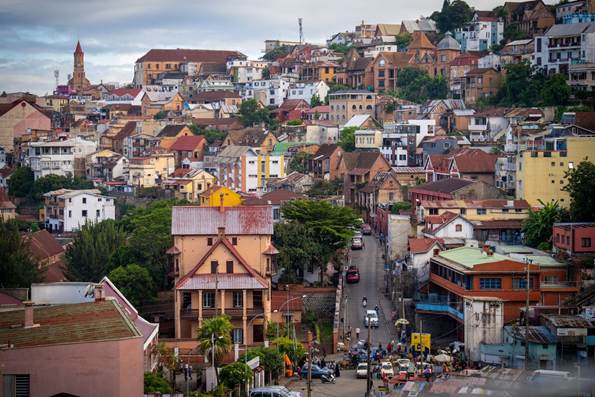
Bishop Larry Odonkor, one of the six men whose accounts formed Darkness in a Lighthouse, had led the church’s branch in Madagascar before he left. The church there reported him to the authorities.
On 18 April 2023, the court in Antananarivo found him guilty of breach of trust over church funds — around 72 million Ariary moved through cheques and a bank transfer in 2018. He was sentenced to two years in prison and ordered to pay 75 million Ariary in damages. He appealed in 2024 and again in 2025. Both appeals were dismissed — the second as “without any merit” — and a warrant was issued for his arrest in Madagascar.
2024: The church’s witness goes through Darkness in a Lighthouse claim by claim
The church had also sued the journalists for defamation. In April 2024, its witness gave evidence. He went through Darkness in a Lighthouse claim by claim and told the court the journalists had put forward no evidence for the allegations — not for the pensions, not for the church buildings, and not for the claim that one pastor had tried to take his own life because of the church. The four buildings named in the series, he said, were built with church funds.
2025: The editor is cross-examined
In January 2025 it was the editor’s turn in the witness box. The church’s lawyer asked him about a letter his team said they had sent to the church before publishing. They had relied on it in their defence, but had not shown it to the court. He said leaving it out was “an oversight”. The court ordered him to produce it.
He was also asked a simple question: why had he published a claim about suicide attempts without getting a hospital record? His answer was that he had “no reason to doubt” what he had been told.
2026: The pastor at the centre of the story speaks
The most vivid example in Darkness in a Lighthouse was the church at Kade, in the Eastern Region. It described Rev. Edward Laryea and his wife building it with their own money and effort.
On 16 July 2026, Rev. Laryea gave evidence in the High Court. He told the court the church’s headquarters had provided the initial funding and a vehicle, that members of the Kade branch had contributed throughout, and that family and friends had helped. His own share, he said, “cannot be quantified”. Then he put it in one sentence:
“No one man built the church with his money.”
— Rev. Edward Laryea, Accra High Court, 16 July 2026
So — is there really darkness in a Lighthouse?
Put the five years of Darkness in a Lighthouse side by side. The regulator did not find the pension claim. The High Court found the headline prejudicial and the journalists in contempt. A court in Madagascar convicted one of the six of taking the church’s money, and upheld it twice. The church’s witness said there was no evidence. The editor could not produce a hospital record or, at first, his own letter. And the pastor whose story anchored the series has said, under oath, that no one man built the church with his money.
Five years on, that is the record. It is worth more than a headline.