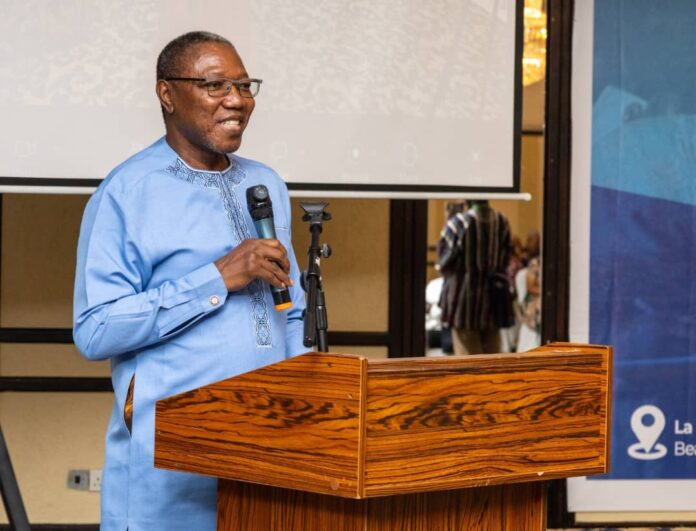

Ghana has urged West African countries, policymakers and development partners to prioritise evidence-based investments in education to ensure children affected by conflicts, disasters, displacement and other emergencies do not lose access to learning.
The call was made by Deputy Education Minister Dr Clement Apaak on behalf of Education Minister Haruna Iddrisu at the Second High-Level Conference on Scaling Education Initiatives in Emergencies (EiE) West Africa (ACCELERATE+) in Accra.
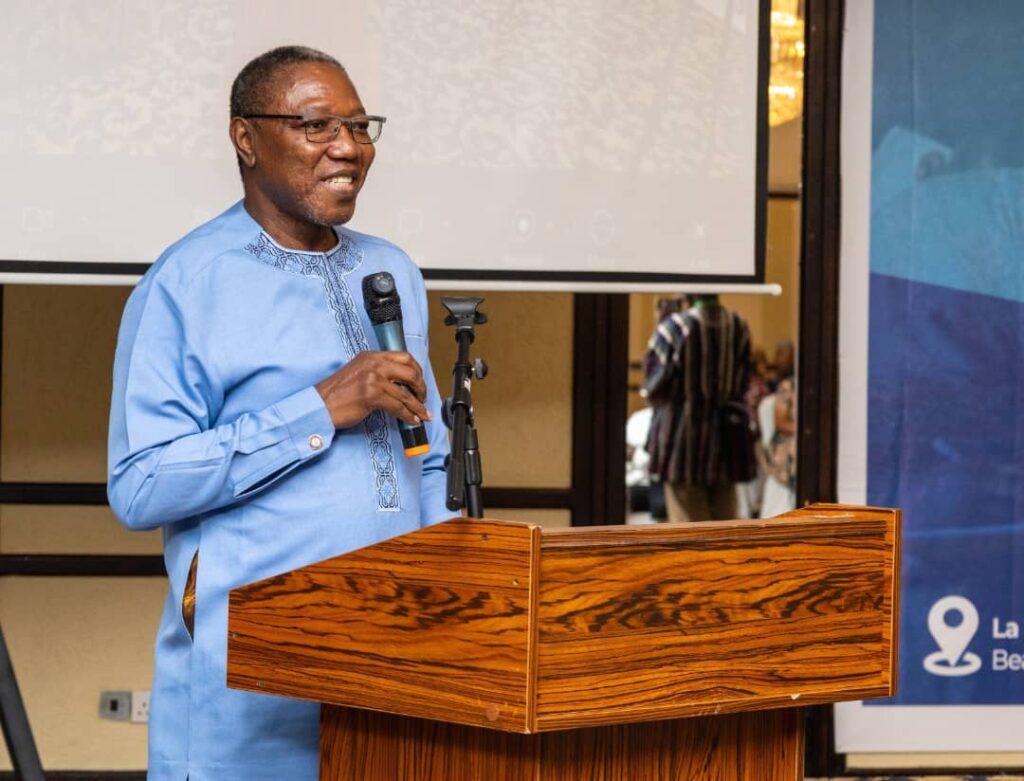
Dr Apaak said education interventions in emergency situations had often been driven by the urgency of responding to crises, but cautioned that acting without evidence could result in scarce resources being wasted.
He said West Africa was facing multiple and overlapping crises, including insecurity in the Sahel, climate-related disasters, displacement, public health emergencies and economic pressures, all of which were disrupting education across the region.
According to him, the effects of these crises were not evenly distributed, with girls, children with disabilities, rural communities and vulnerable households often suffering the greatest impact.
“When education stops, the damage goes beyond lost lessons. Protection, nutrition, hope and the region’s future prosperity go with it,” he said.
Evidence must guide interventions
Dr Apaak called on stakeholders to rely on research and data to determine which interventions work, the groups they benefit, their cost and the conditions under which they are most effective.
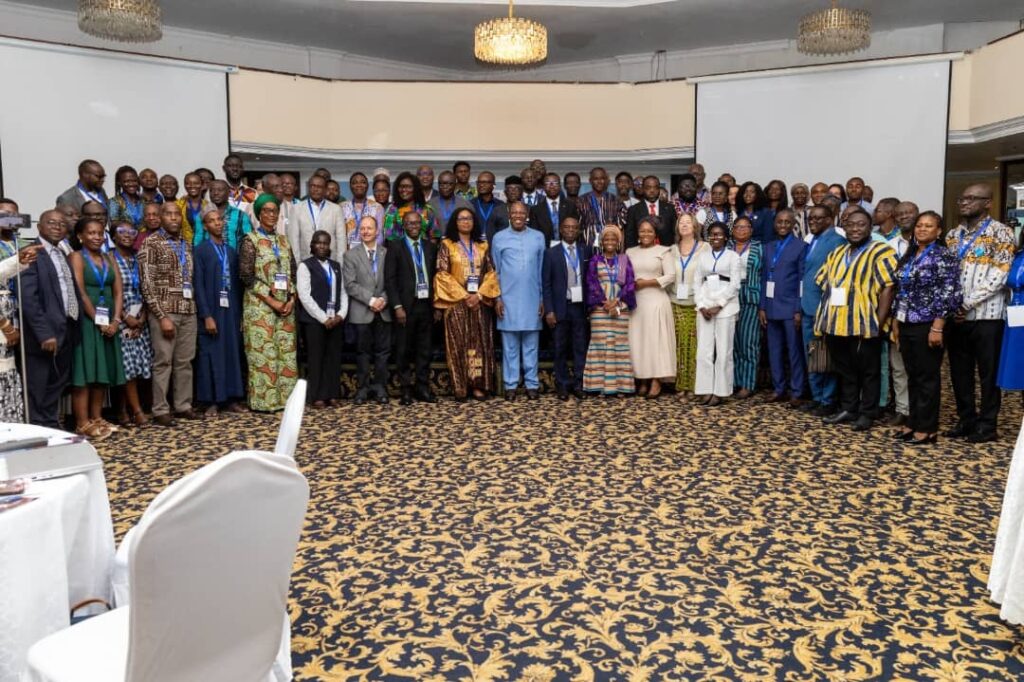
He said the ACCELERATE+ conference provided an opportunity for researchers and policymakers from Ghana, Burkina Faso, Nigeria and other countries to examine evidence on foundational learning, Accelerated Education Programmes, gender equality, social inclusion and the cost-effectiveness of education interventions.
He cited Ghana’s experience during the COVID-19 pandemic as an example of the need to build education systems capable of maintaining learning during emergencies.
When schools were closed during the pandemic, Ghana relied on radio, television and online platforms to sustain learning.
However, Dr Apaak acknowledged that children without access to digital devices, electricity, internet connectivity or adult support were left further behind.
“Those who were already disadvantaged fell furthest behind,” he said.
He said the experience demonstrated how quickly a health crisis could develop into an education emergency.
Focus on foundational learning
Dr Apaak further stressed that restoring children’s access to classrooms should not be the only priority following an emergency.
He said foundational learning, particularly literacy and numeracy, must remain at the heart of education interventions.
He noted that Ghana was strengthening early-grade reading, promoting mother-tongue instruction and revising the curriculum from Kindergarten to Basic Six as part of efforts to improve foundational learning.
The revised basic-school curriculum has also been presented to the Education Ministry following a review process.
He also highlighted the work of the Ghana Education Evidence Lab and the Foundational Learning Action Tracker in monitoring progress, identifying gaps and supporting timely interventions.
Four priorities for West Africa
Dr Apaak outlined four key areas that require increased investment to strengthen education systems across West Africa.
The first, he said, was building resilience before crises occur through risk analysis, contingency planning, safe school infrastructure and stronger education systems at the regional and district levels.
The second priority was scaling up interventions that have already been proven effective instead of allowing successful programmes to remain at the pilot stage.
He cited Accelerated Education Programmes, community-based learning, low-technology remote learning and foundational learning innovations as interventions that require sustained financing.
The third priority, he said, was ensuring equity remains central to emergency education programmes, particularly by protecting girls, children with disabilities and displaced children from exclusion.
The fourth was stronger domestic financing and regional cooperation.
“Development partners are vital, and we are grateful for their support. But sustainability requires that governments own this agenda and budget for it,” he said.
Dr Apaak urged researchers to present their findings in ways that policymakers could easily understand and apply.
Call for long-term commitment
He also called on policymakers to allow evidence to inform budgetary decisions, while encouraging development partners to align their support with national priorities and commit to long-term interventions.
He stressed that education must not be regarded as a luxury during emergencies, but as a lifeline that provides children with stability, protection and hope.
The two-day ACCELERATE+ conference, being held in Accra from September 29 to 30, has brought together policymakers, researchers, education practitioners, innovators, development partners and financing institutions to examine evidence and strategies for scaling education interventions in crisis-affected communities across West Africa.
Dr Apaak said the ultimate measure of success should not be the policies developed or pledges made, but the learning gains achieved by children, particularly those pushed furthest away from classrooms by emergencies.