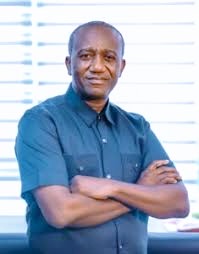

The Deputy Executive Secretary of the Lands Commission in charge of Operations, Surveyor Raphael Hokey, has disclosed that customary land accounts for about 80% of Ghana’s total land area, with public lands making up the remaining 20%.
He said the country’s land ownership structure presented significant challenges to effective land administration, particularly in managing competing interests, resolving ownership disputes and ensuring orderly physical development.
Speaking on Accra-based Citi FM, Mr Hokey explained that public lands comprised state and vested lands, with the latter retaining links to their customary owners.
He noted that although the state held the legal interest in vested lands, the customary owners remained the beneficial owners, creating complexities in the administration and management of such lands.
“It’s been roughly estimated that about 80% of the land is customary land. Only 20% are public lands,” he said.
Mr Hokey described the situation as a major constraint on institutions responsible for land management, explaining that their ability to regulate and control land use was sometimes limited by ownership arrangements.
“You are trying to manage what you don’t own and control properly,” he said.
The Lands Commission official identified disputes within families and traditional authorities over land ownership and control as some of the persistent problems confronting the sector.
He said disagreements over who had the authority to transact land on behalf of a family or community often resulted in legal battles and complicated property transactions.
Mr Hokey also highlighted the practice of selling the same parcel of land to multiple buyers, warning that such challenges continued to create uncertainty for prospective landowners.
He further expressed concern about the development of customary lands, noting that some landowners sold plots without providing access roads, essential services or clearly defined boundaries.
According to him, the absence of basic infrastructure and proper planning created difficulties for land purchasers and raised questions about whether the responsibility for providing such facilities should rest with customary landowners or the state.
On the enforcement of land-use regulations, Mr Hokey stressed the need for stronger coordination among public institutions responsible for land administration and development control.
He explained that local assemblies could work with the police to address unauthorised developments and, where necessary, seek court orders to resolve complex cases.
His comments highlight the challenges confronting Ghana’s land administration system, where customary ownership arrangements, competing claims and inadequate planning continue to complicate efforts to ensure orderly development and effective regulation.
Also read: