
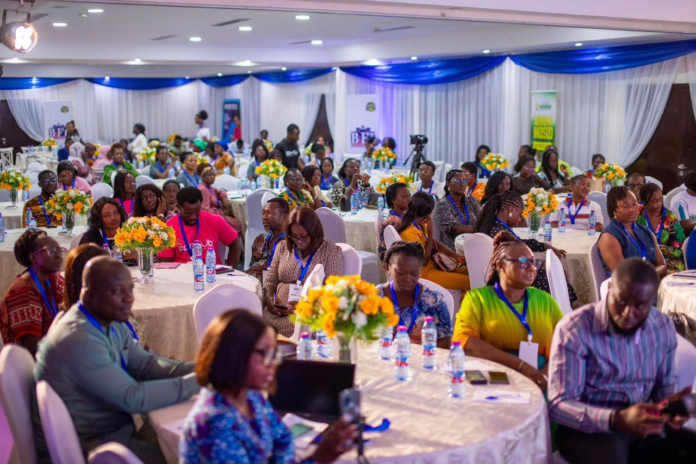

Women drive nearly half of Ghana’s entrepreneurial space, yet many continue to miss out on capital opportunities and the skills needed to grow their businesses.
In the Ashanti Region, that gap came under the spotlight as the third edition of the Women in Business Dialogue brought together female entrepreneurs, investors and policymakers to chart a path toward inclusive and sustainable growth.
With the government preparing to roll out the Women’s Development Bank, stakeholders say real progress will depend not only on funding, but also on bold structural reforms to unlock the full potential of women-led businesses.
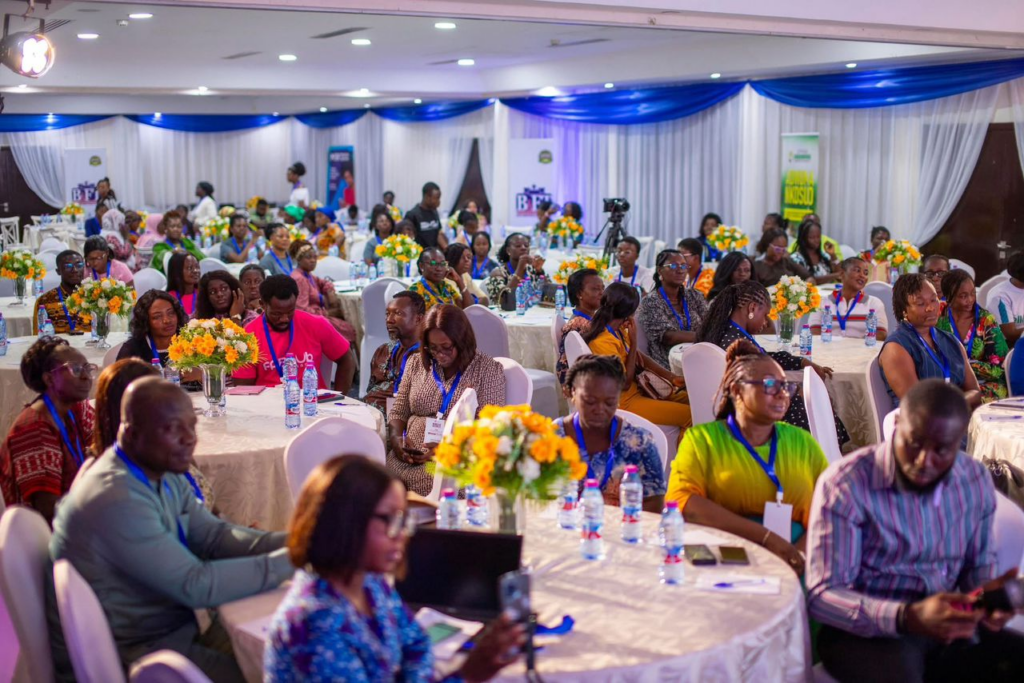
About 80% of Ghana’s informal economy is made up of small and medium-sized businesses, with women constituting approximately 46% of the entrepreneurial workforce.
Despite contributing significantly to the country’s GDP, many women continue to face major investment challenges, including limited access to credit facilities, markets and financial literacy.
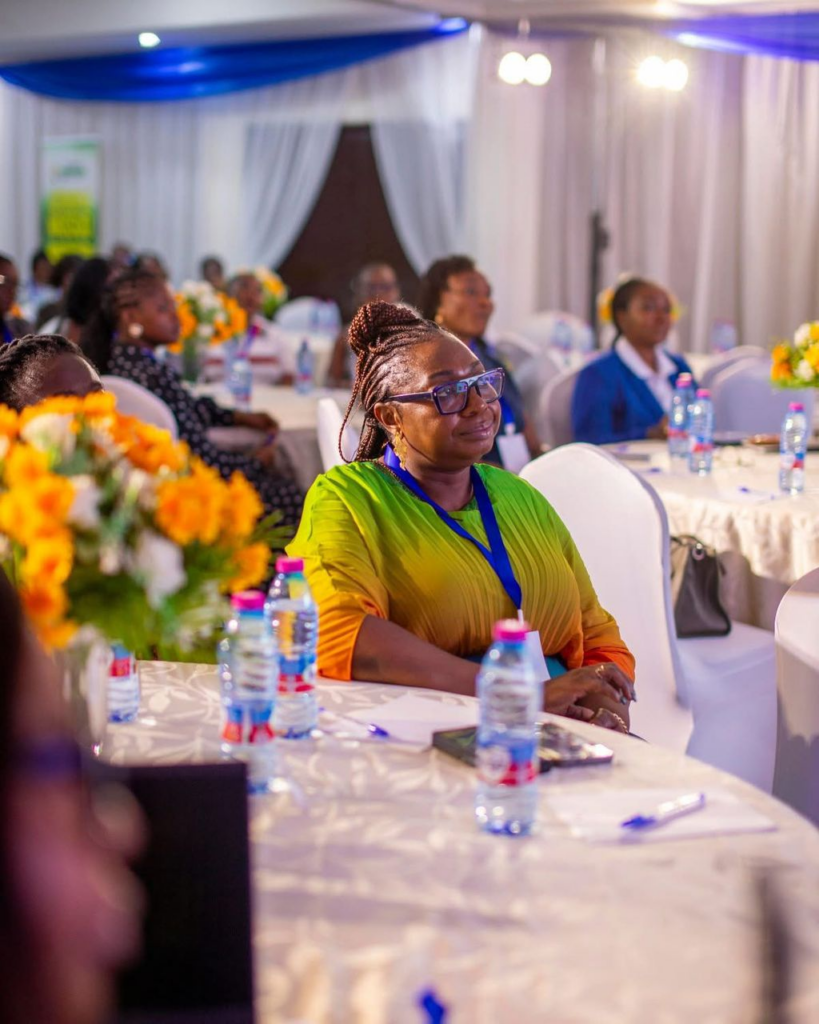
The third edition of the Women in Business Dialogue, organised by Business and Financial Times in partnership with Ecobank, provided a platform to bridge the gap for women-led businesses in the Ashanti Region.
As the government moves to operationalise the Women’s Development Bank, the Chief Executive Officer of Business and Financial Times, Dr. Gordon Acquaye, stressed the need for structural reforms for businesses.
“Women need to be given the tools and structures from the onset as they start their businesses. We are able to help them with bookkeeping, then the next level will be to scale up where they will need to go to a formal financial institution for loans,” he said.
The dialogue brought together dozens of female entrepreneurs from diverse sectors, including petty trading, agriculture, technology and innovation, as well as students.
It focused on critical discussions around building sustainable and inclusive opportunities for women, particularly in agribusiness.
Participants were provided with practical business development tools, improved access to credit opportunities and connections with potential investors to help scale up their enterprises.
“Women can do a lot to support their businesses, like registering their companies. We are helping them to understand the reasons so that we are able to support them to set up their businesses,” Head of Marketing and Branding at Ecobank, Regina Ofori, said.
Deputy Director at the Ashanti Regional Coordinating Council, Samuel Twum Nkansah, reiterated government’s commitment to supporting local businesses.
The event was held on the theme: “Building Market Leaders; Empowering Women-led SMEs and Agribusinesses for Inclusive and Sustainable Growth.”
