
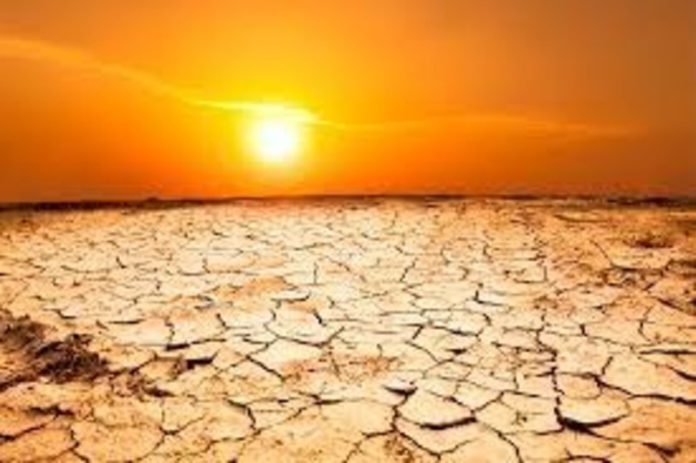

The Accra Metropolitan Assembly (AMA) has begun efforts to integrate heat resilience measures into its policies and operations as concerns grow over rising temperatures and heat-related health risks in the capital.
The move forms part of a three-day Technical Working Group workshop held in Ho in the Volta Region with support from Vital Strategies.
The workshop focuses on reviewing and validating technical proposals aimed at incorporating heat-health considerations into the Assembly’s strategic planning, regulatory systems, and institutional coordination mechanisms.

According to the AMA, the initiative is a response to the growing threat of extreme heat in Accra, driven by rapid urbanisation, climate change, population growth, and limited green spaces.
Officials say the process will formally recognise extreme heat as a major shock within the Assembly’s resilience framework and integrate urban heat concerns into the Medium-Term Development Plan for 2026 to 2029.
Speaking at the opening session, the Head of Metro Public Health at the AMA, Florence Kuukyi, said the Assembly is working to build stronger data systems to better understand illnesses and deaths linked to extreme heat.
She explained that the AMA, together with Vital Strategies under the Partnership for Healthy Cities initiative, is implementing a heat management project to reduce heat-related illnesses and deaths across the metropolis.
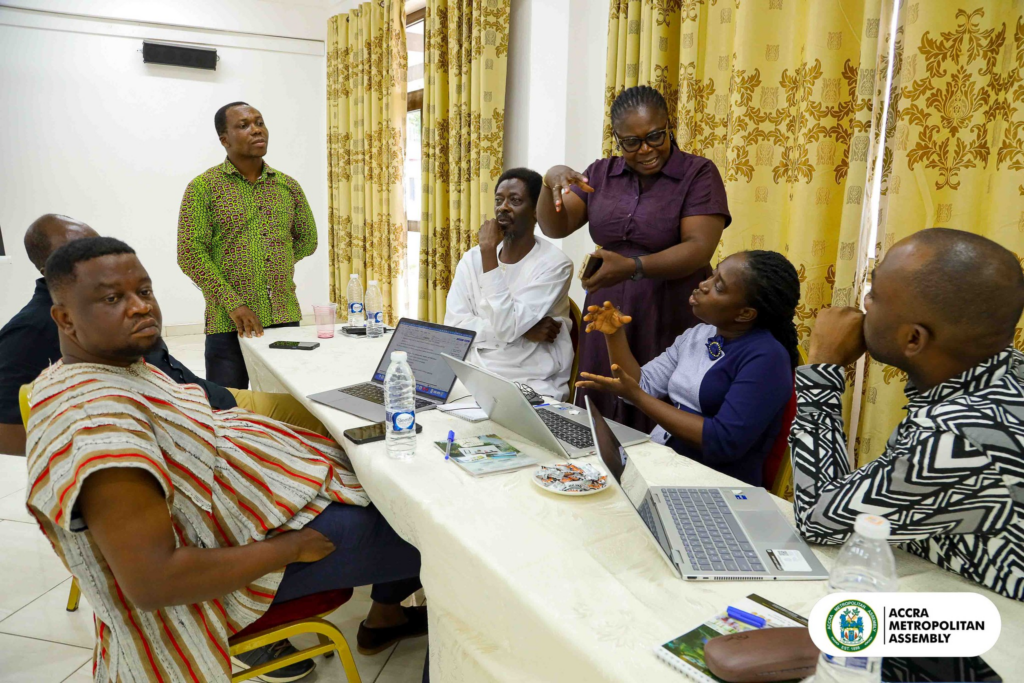
The workshop also reviewed draft technical documents, including a Heat-Health Action Plan, resilience strategy updates and proposed amendments to AMA bye-laws.
Presiding Member of the AMA, Musah Ziyad, assured stakeholders of the Assembly’s readiness to support reforms that strengthen heat resilience, particularly in areas such as environmental protection, building development and public markets.
Meanwhile, independent consultant Richard Amfo-Otu warned that Accra is experiencing hotter and more frequent heat episodes, with some communities becoming significantly warmer due to the Urban Heat Island effect.
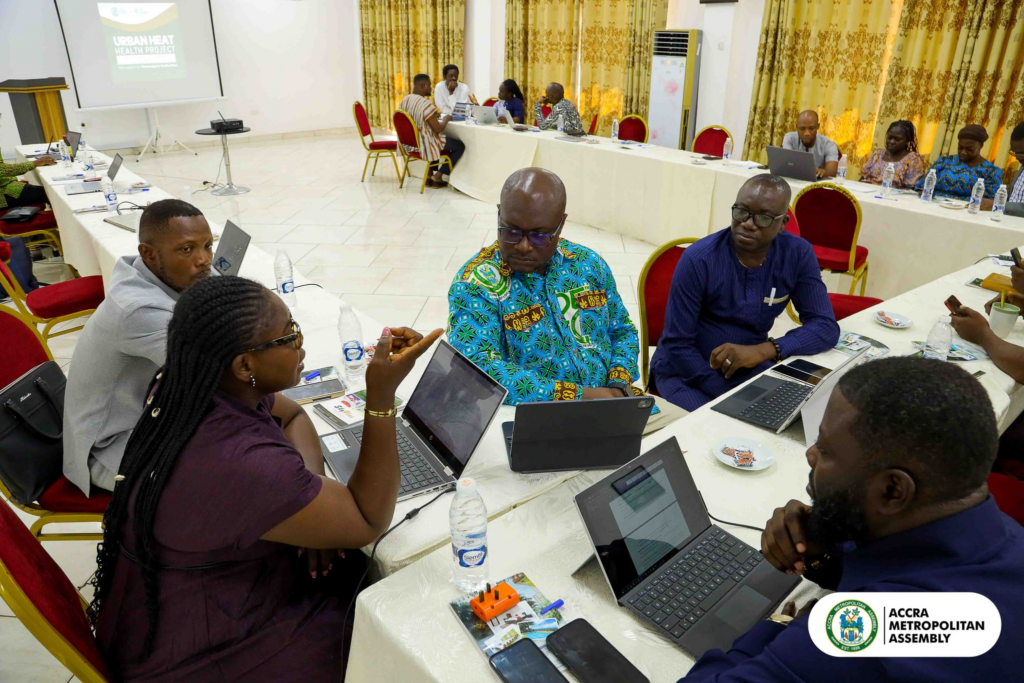
He identified vulnerable groups including the elderly, pregnant women, infants, outdoor workers, market women, sanitation workers and residents of informal settlements as among those most at risk.
Among the recommendations proposed were the establishment of a Heat Nodal Office, the introduction of a Heat-Health Early Warning System and the creation of heat-related budget lines and enforcement mechanisms.
The workshop brought together officials from the AMA, Environmental Protection Agency, Ministry of Health, Vital Strategies and other stakeholders.
