

The Director of Early Childhood Education, Adizah Tassah, has called for greater investment and prioritisation of kindergarten (KG) education, describing it as the most effective long-term strategy to eradicate examination malpractice in Ghana’s education system.
According to her, the country’s failure over the years to prioritise early childhood education has negatively affected the quality of learning at the foundational level.
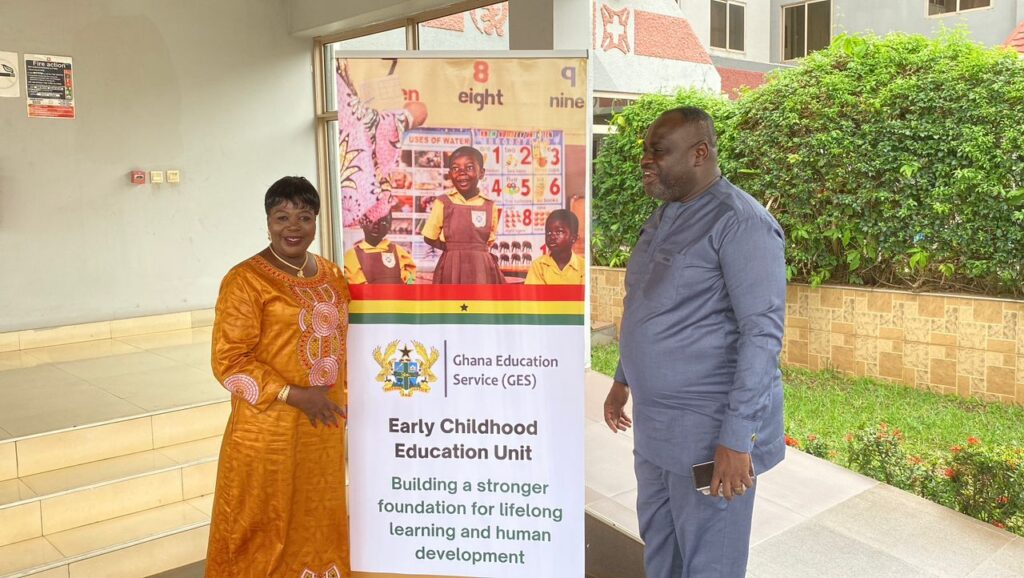
She, however, noted that significant efforts are now being made to reverse the trend.
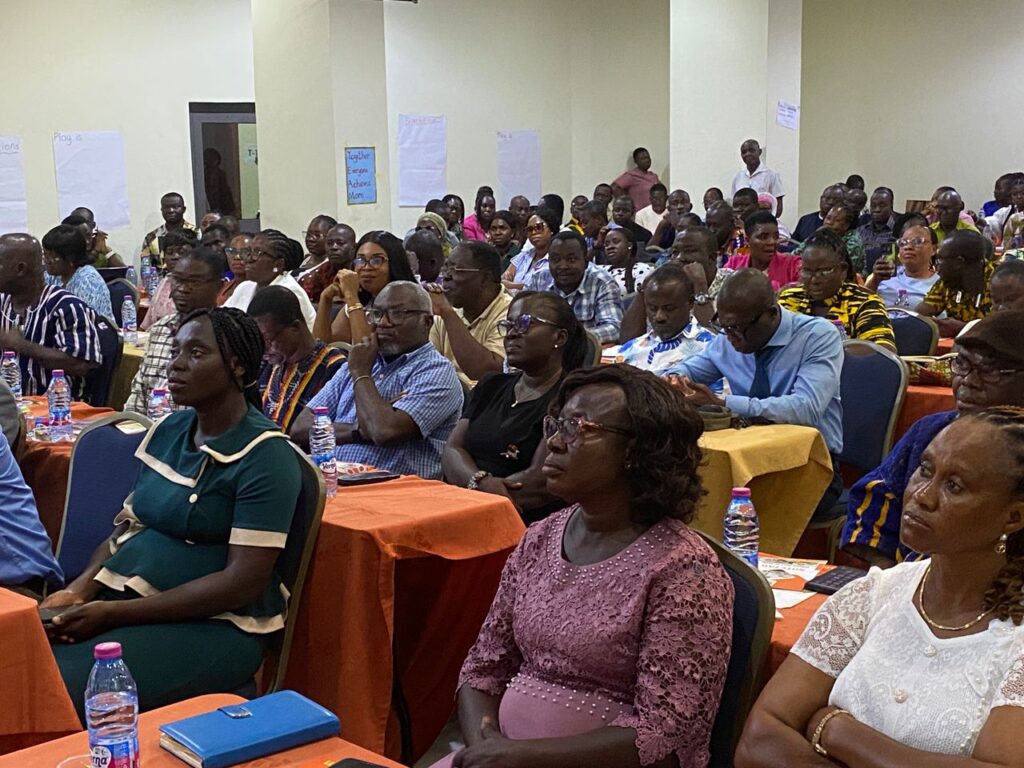
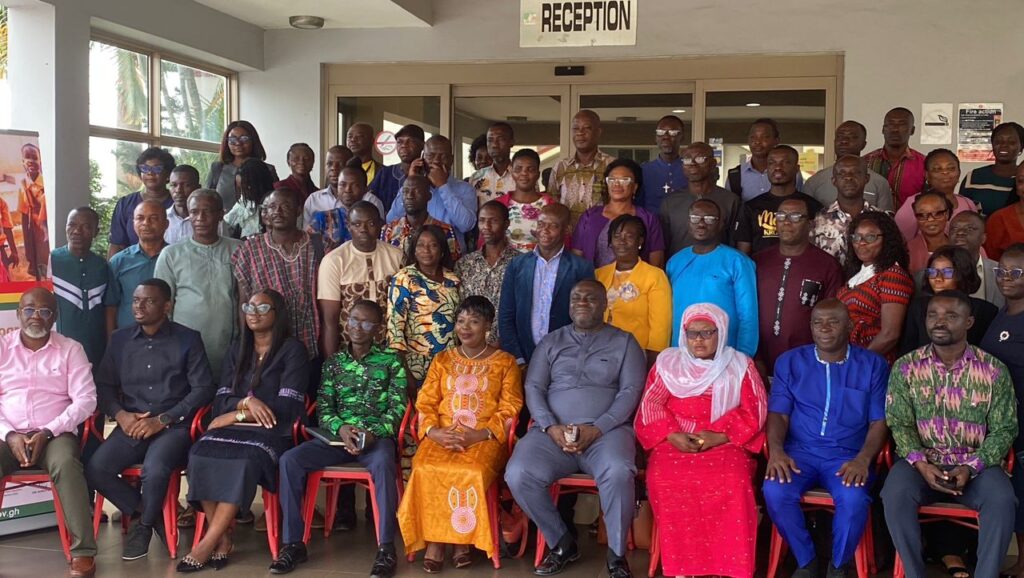
Mrs. Tassah made the remarks while speaking to the media during a capacity-building workshop for Early Childhood Coordinators and Deputy Directors in charge of Monitoring and Supervision in Kumasi.
She explained that the training forms part of a nationwide initiative expected to benefit more than 32,000 kindergarten teachers across Ghana, with the aim of improving the quality of teaching and learning at the basic level.
“It is not true that kindergarten classrooms are meant for unqualified teachers or elderly people. At every stage of education, especially at the KG level, pupils deserve qualified and competent teachers because quality education begins from the foundation,” she stated.
She further urged newly trained teachers not to reject postings to kindergarten classrooms, stressing that teaching at the early childhood level is a critical responsibility and should never be regarded as a form of punishment.
“We must all join hands to make basic education more attractive and strengthen quality teaching from the foundation,” she added.
The Ashanti Regional Director of the Ghana Education Service (GES), Dr. William Kwame Amankrah Appiah, also disclosed that the region has implemented several interventions to make teaching and learning more engaging for kindergarten pupils.
According to him, one of the key initiatives is the 200 Days of Reading Programme, which has significantly improved pupils’ reading abilities and confidence across the region.
“We introduced the 200 Days of Reading Programme, and it has greatly boosted children’s confidence in reading. We are now complementing it with a numeracy programme, and together these interventions will strengthen children’s literacy, numeracy and overall confidence,” he said.
Dr. Appiah expressed confidence that the training for Early Childhood Coordinators would equip teachers with modern learner-centred teaching methods, helping to eliminate the outdated “chew and pour” approach and promote interactive, child-friendly classroom instruction.
He noted that strengthening early childhood education remains essential to building a solid educational foundation for children and improving learning outcomes across the country.
ALSO READ: