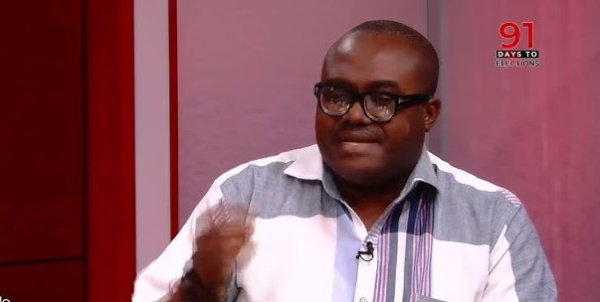

Ghana Medical Association (GMA) President, Dr Ernest Yorke, has called for broader reforms in Ghana’s healthcare system following the findings of the investigative report into the death of engineer Charles Amissah.
Speaking in an interview on Adom FM’s Dwaso Nsem, Dr Yorke said public discussions around the report should not focus solely on labelling health professionals as unprofessional, but should instead address the wider systemic challenges affecting healthcare delivery.
“When you look at the headlines, they are only saying that health professionals are unprofessional, which may or may not be true,” he said.
He added that even if disciplinary action is taken against individuals found culpable, it would not, on its own, resolve the deeper problems within the health system.
“Let’s assume it is true. If they are taken to a disciplinary committee for not working professionally, does it solve the issue we have in our health system? No,” he stated.
Dr Yorke called for a more comprehensive national conversation involving all stakeholders, including policymakers, the media and health professionals.
“We are saying let the process begin with the health professionals, but we must take a step back and look at all the problems and what everybody can do, even the media and policymakers,” he said.
He noted that Ghana currently lacks a strong and updated emergency healthcare regulatory framework, adding that existing policies are outdated.
“We don’t even have an emergency regulation in this country. There was a policy document in 2011, but it is not fit for purpose. It must be reviewed,” he explained.
Dr Yorke further suggested the need to involve the private sector more effectively in emergency care delivery to improve access and capacity.
“We must also look at how to bring in the private sector, which also has facilities, so we broaden the system and do what is expected of us considering the shortcomings,” he added.
His comments come after a three-member committee investigating the death of 29-year-old engineer Charles Amissah concluded that he died from medical neglect rather than injuries sustained in a road accident, raising fresh concerns about Ghana’s emergency healthcare system.
Presenting the findings, committee chairman Prof. Agyeman Badu Akosa said the autopsy results indicate that Amissah could have survived if he had received timely medical attention.
ALSO READ: