
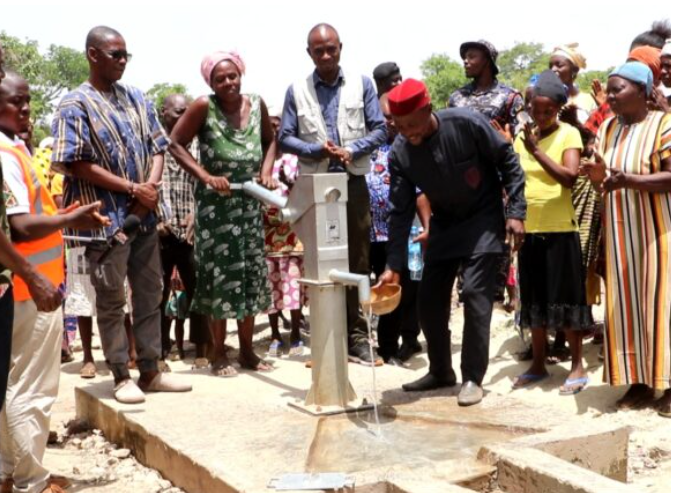

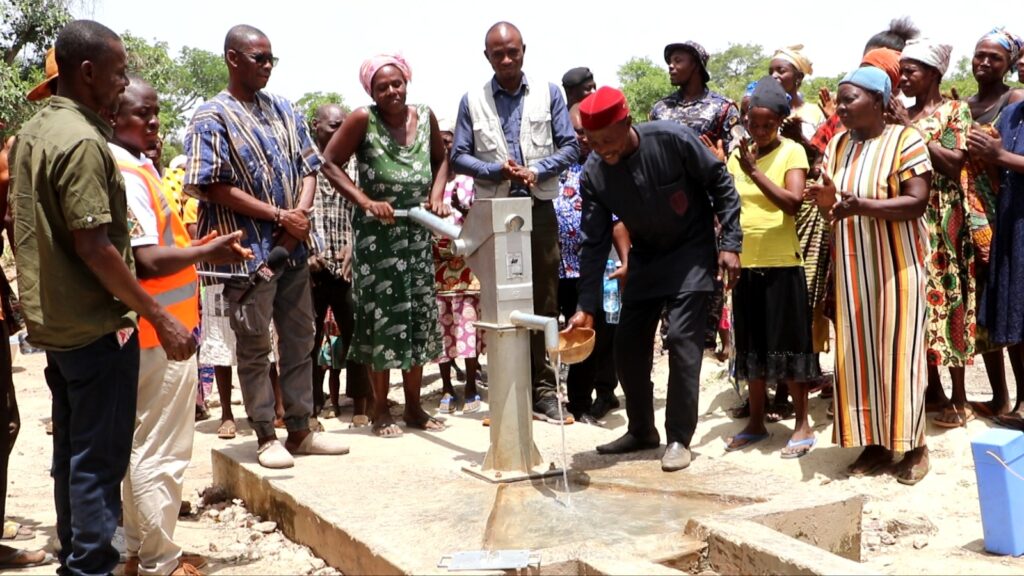
The Wa West District Assembly has commissioned ten newly constructed boreholes to address acute water shortages in several communities, as well as at the Ghana National Fire Service station in Wechiau.
The intervention, financed through a dedicated 10 per cent allocation from the District Assembly Common Fund (DACF), cost close to GH¢500,000.
The District Chief Executive, Richard Wulo, together with the Member of Parliament, Peter Toobu Lanchene, led a commissioning tour to officially hand over the facilities to beneficiary communities.
Nine hand-pump boreholes were provided to Jaglu, Ponyamayiri, Yokoroteng, Nadizier, Diesi, Polee, Loorteng, Wherekobo and Dakpalateng, while a fully mechanised borehole was installed at the Wechiau Fire Station.
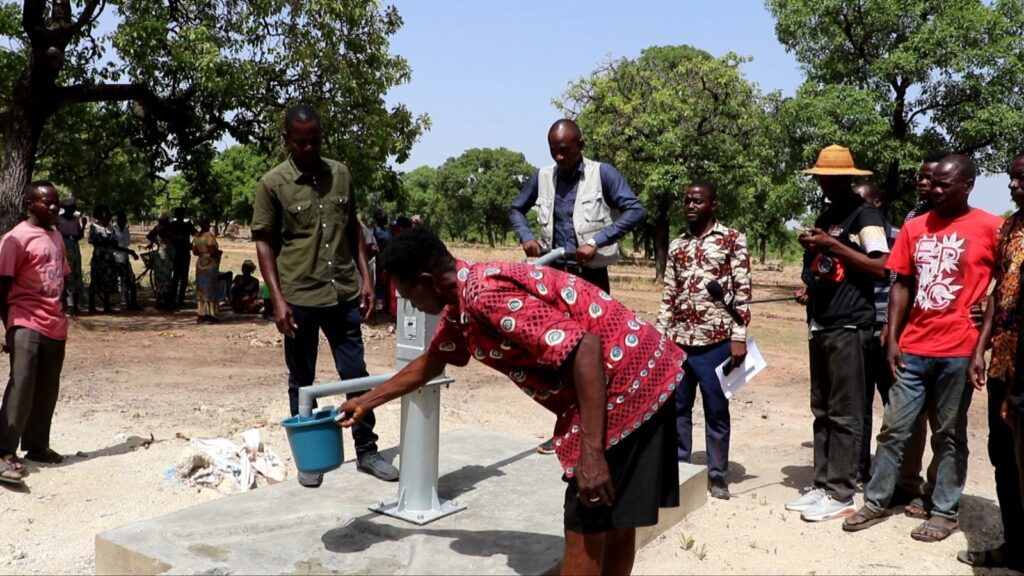
The mechanised system is expected to significantly improve operations at the fire station. The District Fire Officer, Memuna Bayeaba, expressed appreciation, noting that personnel had long struggled with water shortages.
Addressing the gathering, Mr Wulo indicated that the intervention followed a direct appeal from the fire command, stressing that reliable access to water remains essential for effective emergency response.
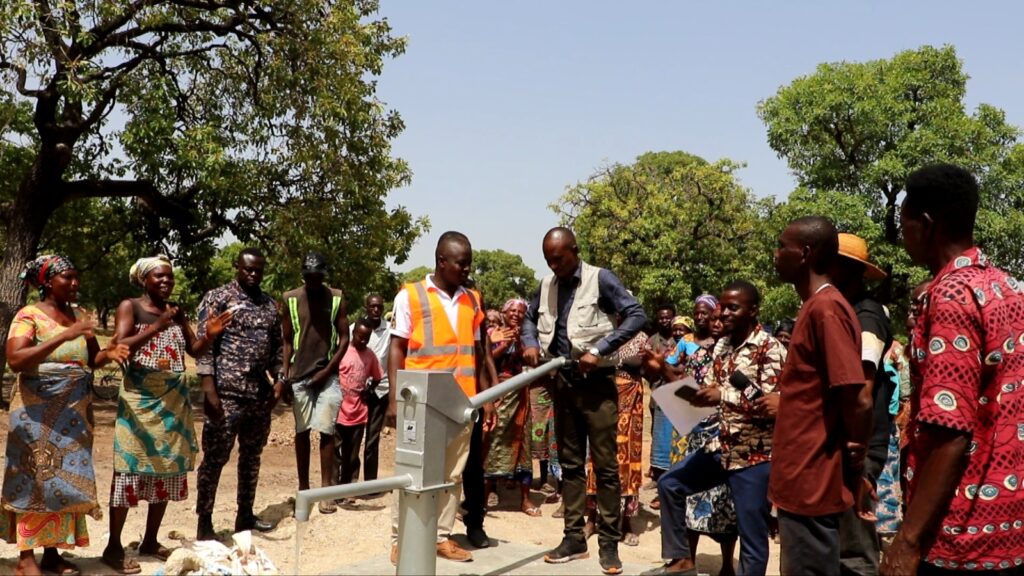
Mr Toobu Lanchene reinforced this position and urged the Assembly to allocate an additional GH¢20,000 towards the construction of a protective shed for the fire tender, which is currently exposed to extreme temperatures.
For the beneficiary communities, the boreholes mark a significant improvement in living conditions, ending years of reliance on unsafe water sources.
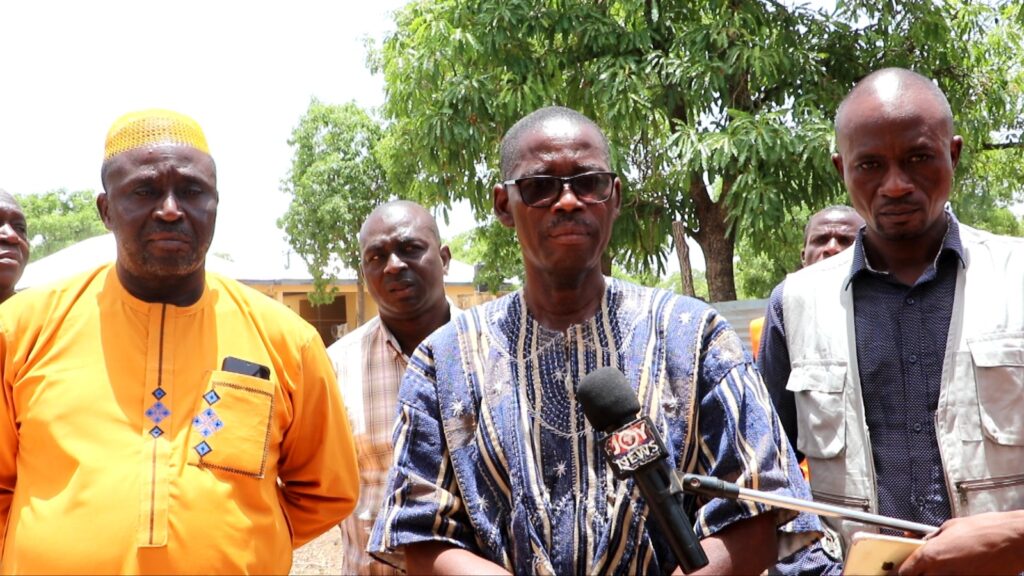
The Assembly Member for Yokoroteng, Manan Zumoruh, noted that residents previously depended on streams shared with animals, particularly during the dry season.
At Wherekobo, the Assembly Member for the Sanwor Electoral Area, Claudius Darekuuyore, commended the DCE for responding promptly to the community’s needs.
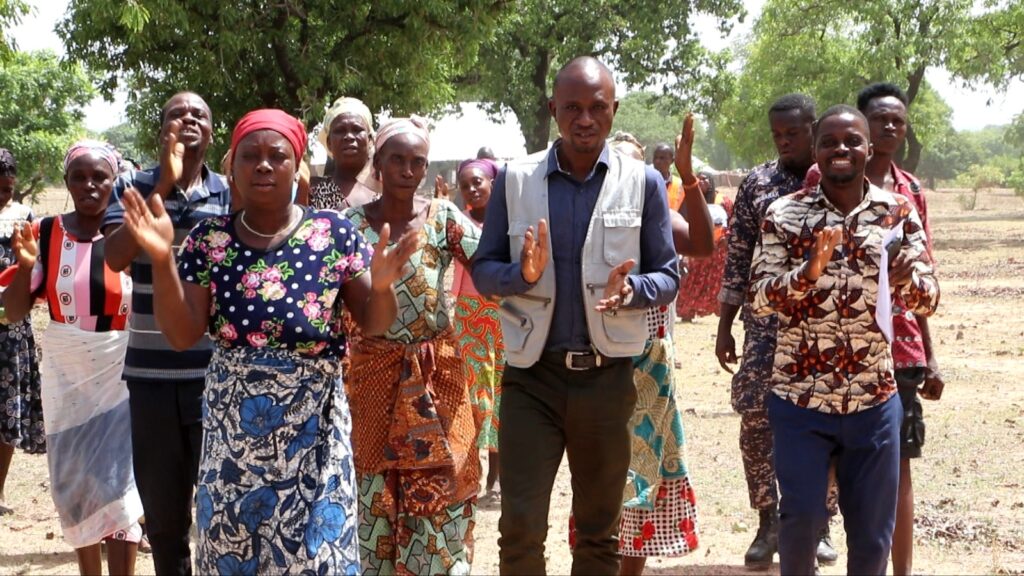
He, however, emphasised the responsibility of residents to maintain the facilities, urging them to adopt proper upkeep practices to ensure sustainability and attract further development support.
Similarly, the Assembly Member for Polee, Mahama Abdul Fataw, highlighted the burden previously placed on women, who often spent long hours sourcing water from low-yielding points.
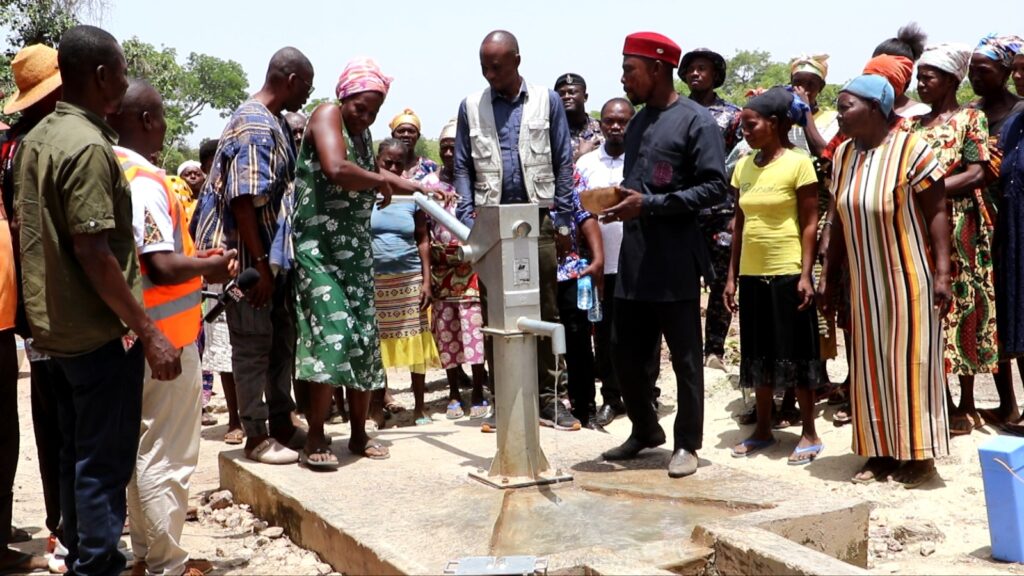
District Engineer Abdul-Razak Ibrahim assured residents that all boreholes had undergone rigorous quality testing by the Ghana Water Company Limited, confirming that the water is safe for human consumption. Test results, he added, have been made available to community leaders.
Mr Wulo attributed the success of the initiative to Ghana’s decentralisation policy, which allows 80 per cent of the DACF to be disbursed directly to district assemblies, enabling them to respond more effectively to local development needs.
While welcoming the intervention, community leaders called for additional support, particularly in extending electricity access and rehabilitating road networks, as part of broader efforts to improve livelihoods across the district.
