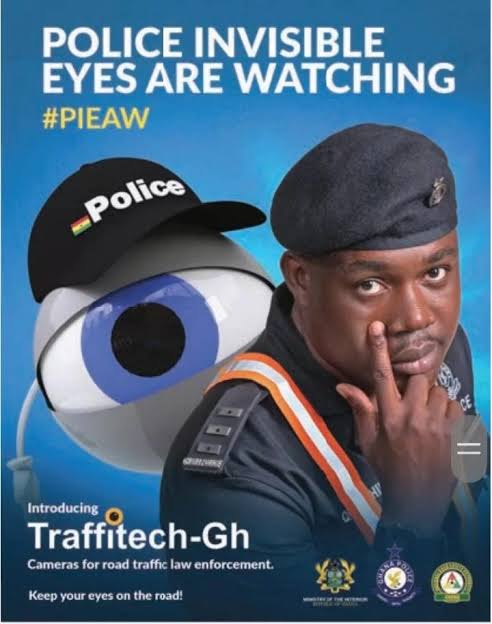

Beginning 1st October 2026, vehicle owners will receive electronic tickets for road offences as the Ghana Police Service will begin implementing Traffitech-GH.
Traffitech-GH is an automated system that uses cameras and sensors to catch drivers who break road traffic laws, from speeding and jumping red lights to driving without insurance or a valid roadworthiness certificate.
Here’s what motorists need to know:
What is Traffitech-GH?
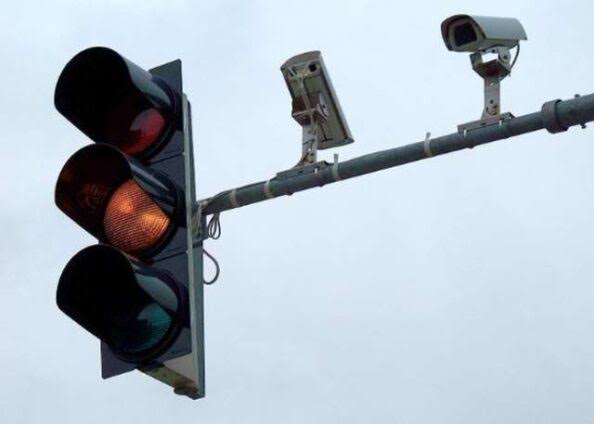
Traffitech-GH is a system developed by the Ghana Police Service to enforce road traffic laws and reduce crashes, deaths and injuries.
It works through fixed cameras, mobile or in-vehicle units, and laser speed devices that automatically capture pictures or video of offending vehicles. Officers will also use handheld devices, called Personal Digital Assistants, during roadside stops.
Offences covered include speeding, running red lights, expired roadworthiness certificates, wrongful overtaking, not wearing a seatbelt, driving with an expired licence, driving an uninsured vehicle and misusing sirens.
How the notification works
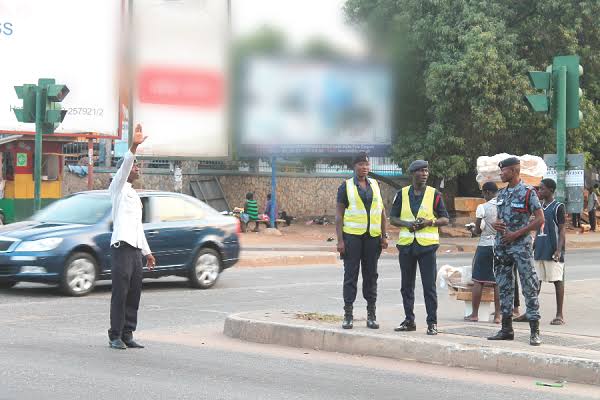
Once a device or officer records an offence, the Police will review it and decide if the offender has to be fined before sending an electronic ticket known as the Electronic Notice of Violation (ENV) by SMS to the vehicle owner.
The message will come from the sender ID “GPS-MTTD” and will include a Ticket Number, along with the location, date, time, vehicle registration number, offence description, fine amount and payment deadline.
Anyone who receives an ENV can either review the evidence on www.ghana.gov.gh using the Ticket Number, pay the fine within 14 days through an approved channel, or contest it online within the same 14 days.
The offender would only have to go to court if he or she chooses to contest the notice.
How payments can be made
Fines can be paid on www.ghana.gov.gh using mobile money (MTN, Telecel or AirtelTigo) or a debit or credit card, or by dialling *222#, selecting option 6 and following the prompts.
Motorists who default after the 14-day window will face a 1% penalty on the original fine for every additional day of delay.
To check whether a vehicle has outstanding fines, anyone can dial *220# and follow the prompts.
Who is liable
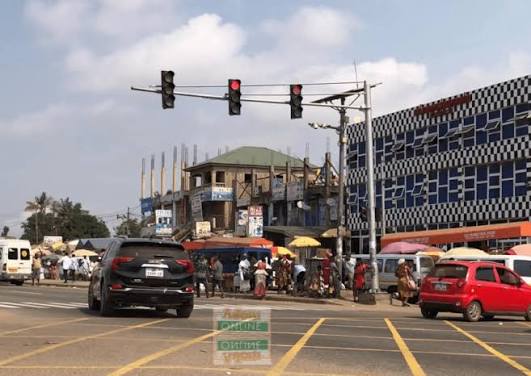
Liability generally follows vehicle ownership, not who was driving.
If a vehicle has been sold but the change of ownership was not registered with the Driver and Vehicle Licensing Authority (DVLA), the person on record still bears responsibility.
Owners who no longer drive their vehicles also remain liable.
For stolen vehicles or plates, the owner must have already reported the theft to police before the offence to be able to contest.
For company or employer-owned vehicles, the registered company is the one liable to pay or contest.
Contesting a violation
The process for contesting a fine can only be started online, not at police stations or court offices, and must be filed within 14 days of the ENV’s issue date.
After submitting a contest, motorists will choose a preferred MTTD regional station, then they will be contacted to arrange an appointment, after which a court hearing is scheduled.
Anyone who changes their mind mid-process can still pay the fine plus any accumulated penalty to close the matter.
A fine can no longer be contested once it is paid.
Consequences of not paying
Aside from attracting the daily 1% penalty, DVLA will not renew a driver’s licence or process vehicle registration, transfer or roadworthiness inspection until outstanding Traffitech-GH fines are cleared.
Motorists are advised to check for unpaid fines by dialling *220# before visiting DVLA offices.
Watch out for scams
The Police MTTD have stressed that payment should only go through www.ghana.gov.gh, never to a personal Mobile Money number, private account or directly to an officer in cash.
Genuine ENVs will always come from the sender ID “GPS-MTTD” with no clickable links.
Any suspicious message, or an officer requesting cash on the spot, should be reported to the Police on 191 or the toll-free line 18555.
Coverage
The system applies to all classes of vehicles on Ghana’s public roads, including private cars, motorcycles, tricycles (aboboyaa), taxis, trotro, ride-hailing vehicles, haulage trucks and commercial buses.
It covers Ghanaian-licensed drivers and locally registered vehicles; offences involving foreign-registered or ECOWAS-plated vehicles will be handled separately.
Speed limits to note
The Road Traffic Regulations, 2026 (L.I. 2519) set out speed limits by road type:
- 30 km/h in areas with heavy human activity, such as near schools, health facilities, markets and places of worship
- 50 km/h in urban or built-up areas
- 90 km/h on highways
- 100 km/h on motorways