

Introduction
The United Nations General Assembly Resolution 77/327 designates January 26 as the International Day of Clean Energy. The growing desire of many countries to transition to clean, sustainable, and renewable energy technologies is well enshrined in law and national policy documents. Energy drives the economy and enhances development. As more people strive to achieve a higher standard of living, energy consumption will inevitably continue its upward trend.
Currently, the global economy depends heavily on fossil fuels. This dependence is unsustainable. Fossil fuel resources and reserves are finite, and they take thousands to millions of years to form and accumulate in subsurface reservoirs under the right geological conditions, including traps, seals (caprocks), temperature, and pressure.
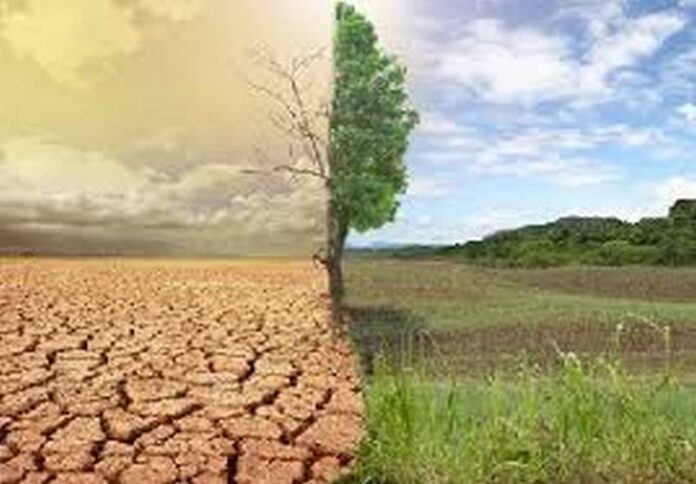
When exploited, fossil fuels release greenhouse gases such as carbon dioxide, methane, chlorofluorocarbons, and nitrous oxide. These gases contribute to global temperature rise and pose serious risks to human health. Global warming has several negative effects, including the melting of glaciers, ice caps, and icebergs, leading to rising sea levels. This threatens coastal communities such as Keta and Cape Coast in Ghana, as well as many others across Africa.
The burning of fossil fuels also has serious health implications. In addition, many species have begun shifting their habitats and migration patterns due to warmer temperatures.
To halt these threats and safeguard the planet for future generations, transitioning to a clean energy society has become a necessity. However, this transition—from an economy driven by fossil fuels to one powered by renewable energy technologies—must be fair and just to workers, communities, and countries that currently depend on fossil fuels for income, livelihoods, and energy needs.
Conceptually, Just Energy Transition (JET) refers to the shift from fossil fuel-based energy systems to low-carbon and renewable energy systems in a way that is fair, inclusive, and equitable for workers, communities, and vulnerable groups. As countries strive to meet international climate commitments under the Paris Agreement, the concept of a just transition has become increasingly important, as climate policies can significantly affect employment, regional economies, and social welfare.
Just Energy Transition And Climate Change
JET promotes the replacement of coal, oil, and natural gas with renewable energy sources such as solar, wind, and hydropower. Unlike conventional energy transitions, however, JET emphasizes social equity by ensuring that workers and communities affected by the closure of fossil fuel industries receive support through retraining, social protection, and economic diversification programmes.
Globally, Just Energy Transition Partnerships (JETPs) are spearheading the decarbonisation agenda. Countries such as South Africa, Senegal, Indonesia, and Vietnam have adopted these partnerships to support their transitions. These initiatives mobilise international finance to help developing countries reduce dependence on coal and align their energy systems with the global goal of limiting warming to 1.5°C.
Much of the climate finance comes from development partners in Western and industrialised countries, including the World Bank, the International Monetary Fund, African Development Bank, and the Netherlands Development Organisation. This demonstrates the commitment of developed nations to climate action and offers African countries an opportunity to create policy frameworks for achieving net-zero targets.
Case Studies Of Just Energy Transition In Selected Countries
Case studies from Senegal, Germany, South Africa, Indonesia, and Vietnam demonstrate different approaches to balancing decarbonisation with social and economic equity.
Senegal is integrating renewable energy and battery storage while using gas as a transitional fuel, with a strong focus on job creation. South Africa is leveraging international funding to reduce dependence on coal. Germany serves as a strong model through its Energiewende policy, which prioritises worker support during coal phase-outs.
Meanwhile, Indonesia and Vietnam are advancing toward net-zero goals through renewable energy expansion and improved grid efficiency, despite facing significant economic and structural challenges.
Lessons For Africa
Africa stands to gain significantly from resource extraction and exports for foreign exchange. However, African countries could potentially triple their earnings by investing in a Just Energy Transition that supports the development of a skilled workforce for clean-energy economies.
Many African nations possess vast fossil fuel reserves but lack the capital, technology, and skilled labour to extract them effectively. As a result, international oil companies often provide the required resources and retain ownership of nearly 85% of exploited assets.
To avoid a similar dependency in the renewable energy era, African countries must take the lead in developing their own renewable energy sectors. This requires building domestic manufacturing hubs, reducing dependence on imported renewable energy hardware, and prioritising local innovation, research, and skills development.
Relying entirely on foreign technology risks leaving the continent permanently dependent on external powers to sustain its clean energy sector. Africa must also prioritise investment in power transmission and distribution as part of its clean energy transition agenda.
Economic Benefits Of Just Energy Transition
A well-managed Just Energy Transition can generate substantial economic benefits. First, investments in renewable energy infrastructure create employment opportunities in manufacturing, construction, installation, operation, and maintenance of clean-energy technologies. These emerging industries can stimulate economic growth and regional development.
Additionally, transitioning to renewable energy improves energy security by reducing dependence on imported fossil fuels and exposure to volatile global fuel prices. Countries that harness domestic renewable energy resources can strengthen their energy independence and lower long-term energy costs.
Furthermore, reducing fossil fuel consumption lowers air pollution, leading to improved public health outcomes and reduced healthcare expenditures. Cleaner air contributes to greater labour productivity and a better quality of life, supporting overall economic development.
Importantly, international climate finance mechanisms such as JETPs provide developing countries with access to significant financial resources for clean-energy projects. These investments can attract private-sector funding, stimulate innovation, and promote sustainable economic growth.
Conclusion
The Just Energy Transition has emerged as a critical framework for addressing climate change while promoting social justice and economic development. By supporting the transition from fossil fuels to renewable energy, countries can reduce greenhouse gas emissions, improve energy security, create jobs, and attract investment.
Experiences from Senegal, South Africa, Germany, Indonesia, and Vietnam show that although transition pathways differ according to national circumstances, successful transitions require strong governance, adequate financing, and policies that protect workers and vulnerable communities.
Ultimately, the Just Energy Transition serves not only as a climate change mitigation strategy but also as a pathway toward sustainable and inclusive economic growth.
The writer, Engr. Maxwell A. Quaquah, is a Lecturer at the Energy Systems Engineering Department of Koforidua Technical University, Ghana.
Contact: maxwellquaquah@gmail.com
