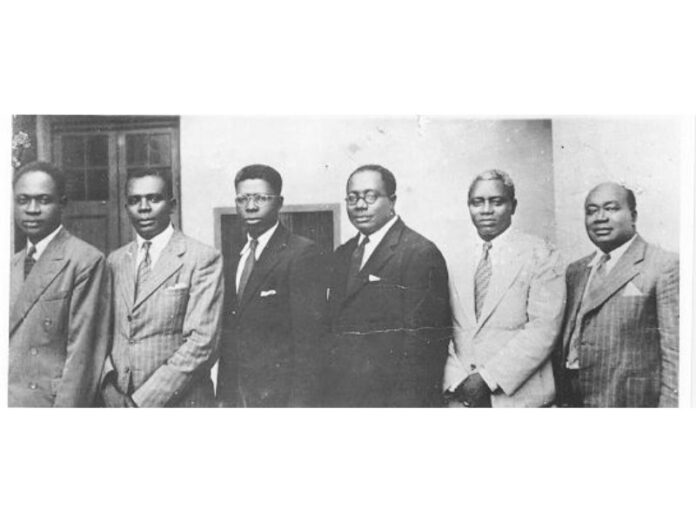

In 1948, six men were arrested for demanding self-government from the British colonial rulers, and this was when the name the ‘Big Six’ emerged.
The six, Kwame Nkrumah, Joseph Boakye Danquah, Ebenezer Ako-Adjei, Edward Akufo-Addo, Emmanuel Obetsebi-Lamptey and William Ofori Atta, were all founding members of the United Gold Coast Convention (UGCC).
Their arrest followed weeks of unrest sparked by economic hardship. A boycott of foreign goods due to rising prices imposed by European merchant firms coincided with a march by ex-servicemen demanding pensions they were still owed from the Second World War.
Riots broke out in Accra after police opened fire on the unarmed veterans on 28 February 1948, killing three of them.
The UGCC seized this moment to send an urgent telegram to the British government in London demanding self-government, and colonial authorities responded by arresting all six leaders and detaining them in the northern part of the then Gold Coast.
The arrests backfired badly on the colonial government as teachers and students demonstrated in solidarity, some losing their jobs for it.
This incident became one of the first mass shows of public support for Ghanaian self-rule, deepening the resolve that carried the country to independence nine years later, in 1957.
Here are the six men who started it all and what became of them.
Kwame Nkrumah (1909–1972)
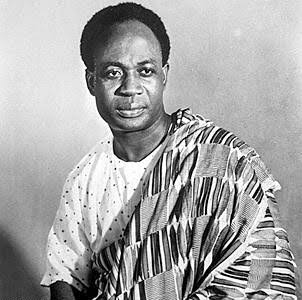
Nkrumah was not among the UGCC’s founders but was invited to join from London, where he was studying, on the recommendation of Ako-Adjei, who had known him from their student days together.
He joined the party as its General Secretary, a full-time organising role the UGCC needed as it grew. Nkrumah returned home in December 1947 and threw himself into the job, travelling around the country to build the party’s grassroots base.
That same energy soon put him at odds with the UGCC’s more cautious, elite leadership. After his release from detention, disagreements over strategy and pace pushed him to break away and form the Convention People’s Party in 1949, the party that carried Ghana to independence with Nkrumah as its first prime minister and, later, first president. He died in April 1972, aged 62, while in exile in Romania.
Joseph Boakye Danquah (1895–1965)
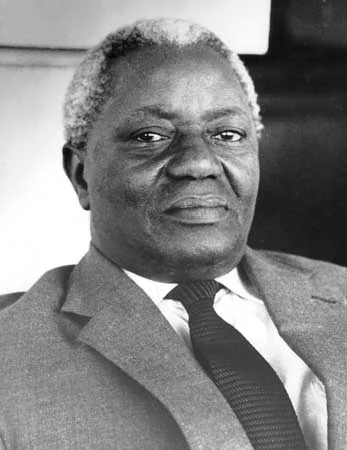
J.B. Danquah was the UGCC’s founder and its operational leader, serving as the party’s president when it was formed in August 1947. A lawyer by training, he is widely credited as the intellectual force behind the party’s push for constitutional reform and self-government.
It was Danquah who personally invited Nkrumah to take up the General Secretary position. That partnership turned sour once Nkrumah broke away from the party — Danquah and Nkrumah became bitter political rivals, with Danquah challenging him for the presidency in 1960 and losing.
He was detained more than once under Nkrumah’s government, accused of plotting against it, and died of a heart attack in February 1965 while being held at Nsawam Medium Prison.
Ebenezer Ako-Adjei (1916–2002)
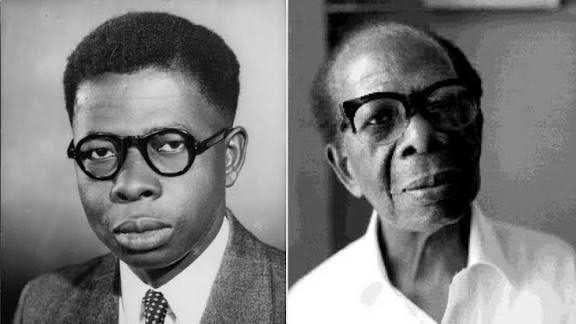
A young lawyer at the time, Ako-Adjei was one of the UGCC’s founding members and played a quietly decisive role in its early direction. He was initially offered the role of General Secretary, a paid position, but turned it down and proposed Nkrumah instead, drawing on their friendship from university in the United States and London. That single recommendation reshaped Ghana’s independence movement.
Ako-Adjei later joined Nkrumah’s CPP in 1953 and went on to serve as Ghana’s first Minister of the Interior after independence, later becoming Foreign Minister. In that role, he helped articulate the case for African political union at a 1960 meeting of African foreign ministers in Addis Ababa — ideas that would later echo in the founding principles of the African Union.
Edward Akufo-Addo (1906–1979)
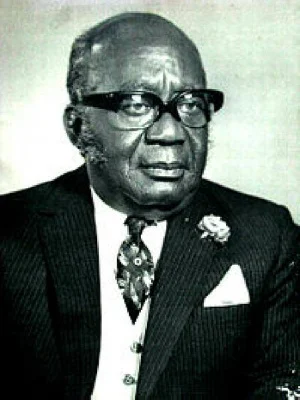
Akufo-Addo was among the UGCC’s founding lawyers and part of the educated core who shaped the party’s early constitutional demands, including its call for the removal of colonial-appointed chiefs from the Legislative Council in favour of educated Africans. Unlike Nkrumah and Ako-Adjei, he remained within the moderate wing of the movement throughout.
He went on to serve as a Supreme Court justice, then Chief Justice of Ghana from 1966 to 1970, before becoming the country’s ceremonial president under the Second Republic from 1970 to 1972. He is the father of former president Nana Addo Dankwa Akufo-Addo. He died in Accra in July 1979.
Emmanuel Obetsebi-Lamptey (1902–1963)
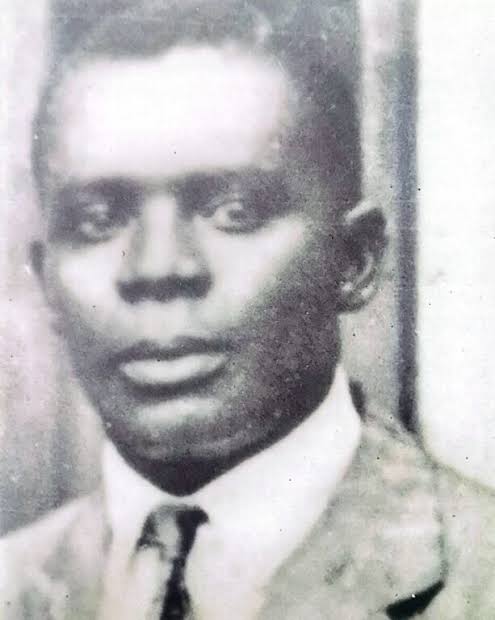
Obetsebi-Lamptey was among the UGCC’s founding members and one of its most energetic organisers on the ground, earning him the nickname “Liberty Lamptey” for his early support of the independence cause. He worked closely with the party’s leadership to mobilise support beyond the educated elite that dominated the UGCC’s core membership.
He remained active in Ghanaian politics until his death in January 1963. His legacy is marked today in Accra by the Obetsebi-Lamptey Interchange on the Ring Road, and he was the father of the late NPP politician Jake Obetsebi-Lamptey.
William Ofori Atta (1910–1988)
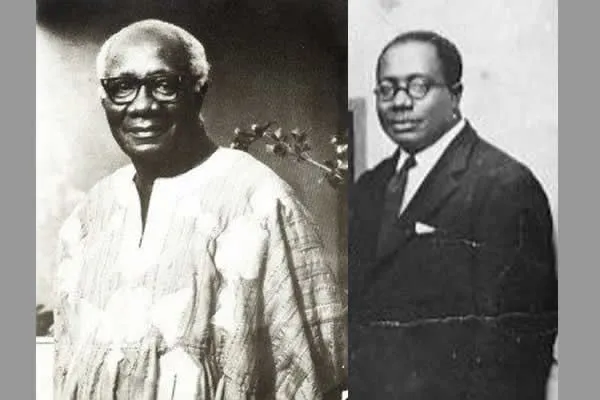
Popularly known as “Paa Willie,” Ofori Atta studied law in the United Kingdom before returning home to help found the UGCC alongside Danquah, Grant and the others, joining the party’s core leadership from the outset.
He won a seat in the 1951 Gold Coast election representing Akim Abuakwa and later served as Foreign Minister in Ghana’s Second Republic between 1971 and 1972. He died in July 1988 and was honoured with a state burial.
The founder left out: George Alfred “Paa” Grant (1878–1956)
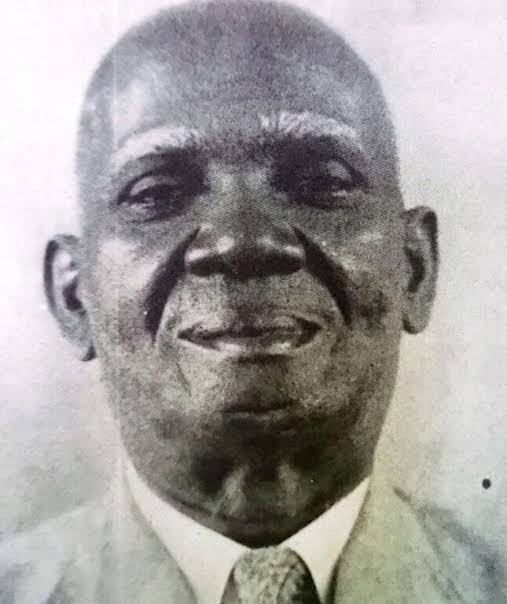
Grant was not one of the Big Six, but without him there may have been no UGCC to speak of. A wealthy businessman, he founded the party on 4 August 1947 alongside Danquah and served as its first president, earning him the title “father” of Gold Coast politics.
Grant was also the party’s principal financier and, together with Danquah, approved the decision to bring Nkrumah on board as General Secretary. He was not among those arrested after the 1948 riots, which is why his name never became attached to the “Big Six” label.
He tried, without success, to reconcile Nkrumah with the rest of the UGCC leadership after their split. He died in October 1956, less than a year before the independence he had helped set in motion.