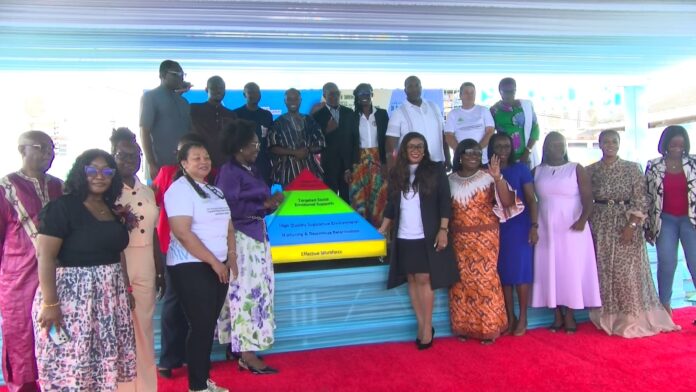

A new chapter in Ghana’s approach to children’s social, emotional and behavioural development has begun with the official launch of Pyramid Model Ghana, an initiative aimed at strengthening the environments in which children learn, grow and thrive.
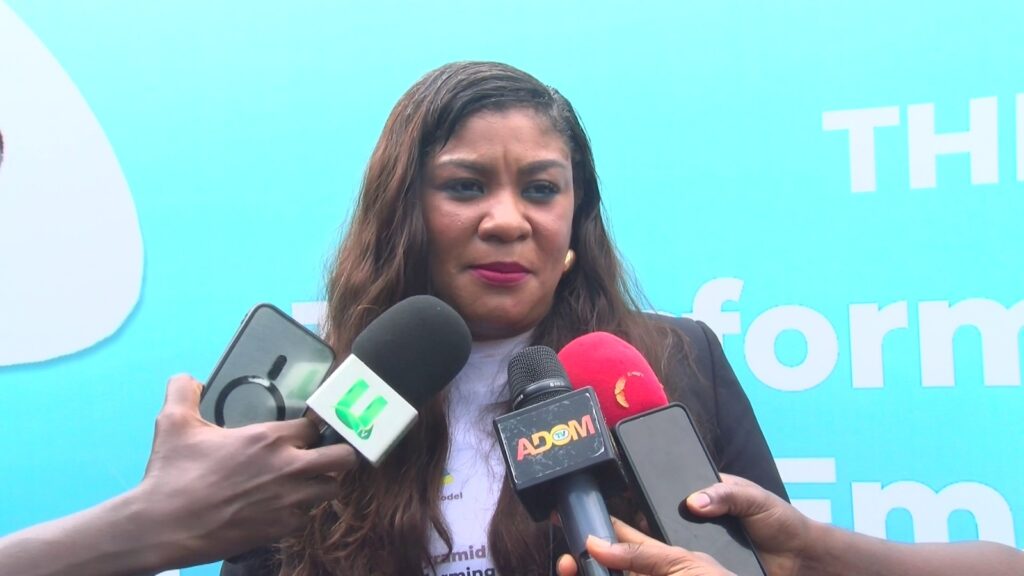
Speaking at the official launch, Thara Brigitte Mills-Simmonds, Founder of Mulan Smart Educational Centre, Mulan Neurodiversity School and the Mulan Resource Centre, called for a broader understanding of what education should mean for the Ghanaian child.
“Education must not only prepare a child to pass an examination. It must prepare that child for life,” she said.
For years, education has understandably placed strong emphasis on literacy, numeracy, academic achievement and examination results.
While these remain essential, Mills noted that academic success alone does not capture the full range of skills children need to navigate life.
She challenged stakeholders to consider what happens when a child is academically capable but struggles to regulate emotions, build healthy relationships, communicate their needs, manage conflict, demonstrate empathy or cope with the pressures of everyday life.
The Pyramid Model offers a structured approach to supporting children’s social, emotional and behavioural development, providing educators, families and practitioners with strategies to create supportive and inclusive learning environments.
Importantly, the introduction of the Pyramid Model in Ghana is not intended to replace existing curricula.
Rather, it seeks to complement current educational approaches and strengthen the environments in which children develop.
“This is about collaboration, not competition,” Mills emphasised. “It is about bringing together government, educators, practitioners, families and partners around one shared purpose: ensuring that every child is given the opportunity to learn, belong and thrive.”
The launch brought together distinguished guests and stakeholders, including Mr. Rob Corso, Dr. Miriam Kpakpa, and Chairperson Dr. Adoquaye Tagoe, whose presence underscored the importance of collective action in advancing the wellbeing and development of children in Ghana.
As Pyramid Model Ghana begins its journey, there is a clear commitment to ensuring that the framework is thoughtfully adapted to the Ghanaian context and becomes a meaningful resource for children, educators and families across the country.
The initiative opens a much-needed national conversation about stronger relationships, supportive learning environments, emotional wellbeing and improved outcomes for children.
Ultimately, the message from the launch was simple but powerful: every child deserves the opportunity to learn, belong and thrive.
The official launch of Pyramid Model Ghana marks not an end, but the beginning of that conversation and a collective commitment to building a more supportive future for Ghana’s children.