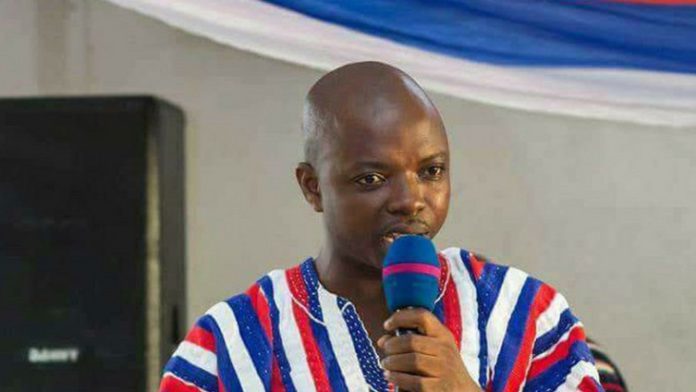

The New Patriotic Party has expressed serious concern over the handling of a bail application filed on behalf of its Bono Regional Chairman, Kwame Baffoe, popularly known as Abronye, describing the last-minute transfer of the case to a different court as “mind-boggling” and a deliberate attempt to frustrate the process.
Abronye was remanded into the Bureau of National Investigations’ (BNI) custody by Circuit Court 9 in Accra on allegations of spreading false news. The NPP subsequently filed a motion challenging the remand decision.
Speaking to JoyNews after the proceedings, NPP General Secretary Justin Kodua Frimpong said the party was blindsided when the case was moved from Criminal Court Two — to which it had initially been assigned — to General Jurisdiction Court Two at short notice. He said their lawyer, Kojo Oppong Nkrumah, only learned of the transfer upon arrival.
Kodua Frimpong dismissed the explanation that the transfer was an administrative error, questioning how a case electronically assigned to one court could be manually reassigned by a registrar. He described the development as part of what he called “judicial gymnastics” designed to frustrate the bail process.
Despite their objections, he said the legal team complied with due process and proceeded to the General Jurisdiction Court, where the matter was eventually heard. The presiding judge directed both parties to study the case before adjourning proceedings to the following day.
Kodua Frimpong also raised alarm over the party’s inability to see Abronye in court, saying they remained uncertain about his health.
“Unfortunately, they didn’t bring Chairman Abronye to the court. We are very worried as to his current health status because we came to the court, and we didn’t see him,” he said.
NPP Deputy General Secretary Haruna Mohammed warned that the handling of the case risked undermining Ghana’s democratic stability, arguing that the treatment of Abronye was inconsistent with the democratic principles the party helped establish.
Mohammed also alleged a pattern of selective law enforcement, claiming that while NPP members had been subject to arrests — in some cases by the Economic and Organised Crime Office (EOCO) without court orders — individuals associated with the governing NDC, including its National Organiser, had not faced comparable action.
He insisted the Attorney-General would have no excuse when proceedings resumed and reaffirmed the party’s commitment to pursuing justice through the courts.