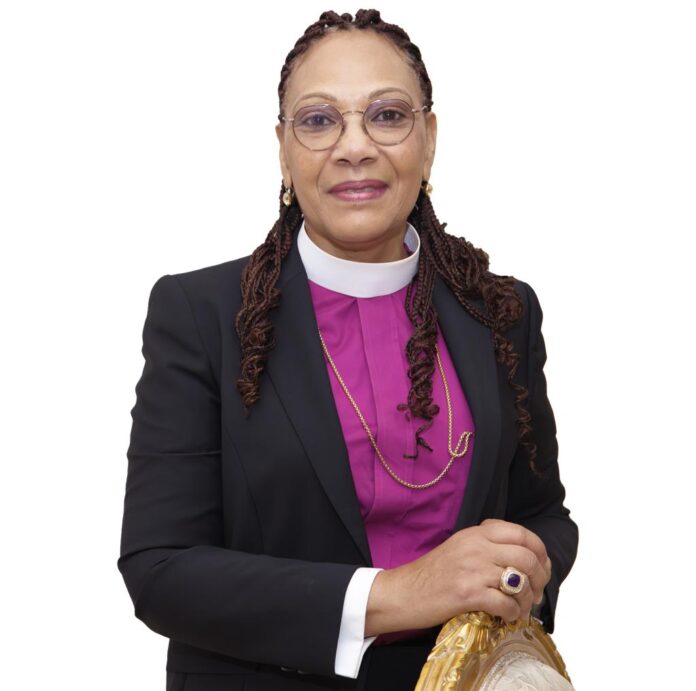

Chairperson of Crusaders Against Corruption Ghana, Bishop Dr. Suzanne Nti, has called on the Ghanaian media to play a more deliberate and strategic role in rebuilding public confidence in the country’s anti-corruption efforts.
Speaking at a public forum on “Restoring Citizens’ Trust in the Fight Against Corruption in Ghana: The Role of the Media”, organized by the Media Foundation for West Africa, CHRAJ, NCCE, and Transparency International Ghana, Bishop Nti urged journalists to move beyond sensational headlines and track corruption cases through to their conclusion.
The forum, held at the Tomreik Hotel in Accra, brought together anti-corruption advocates, media practitioners, civil society organizations, governance experts, and members of the public to explore practical ways of strengthening trust in Ghana’s accountability institutions.
Bishop Nti observed that many Ghanaians have grown skeptical because corruption stories dominate news cycles but fade away before the public sees their outcomes.
“Citizens are no longer impressed by arrests, press conferences, investigations, or accusations. Trust is restored when the public sees convictions, recovered assets, sanctions, and accountability. The media must follow the story from allegation to conclusion,” she stated.
She encouraged media houses to develop a culture of case tracking, reporting investigations, prosecutions, convictions, and asset recoveries with the same intensity and prominence given to breaking news.
Addressing concerns about perceptions of selective justice, Bishop Nti cautioned that anti-corruption efforts lose legitimacy when viewed through partisan lenses.
“Corruption is not an NDC problem or an NPP problem. It is a national problem. The media must report wrongdoing wherever it occurs and hold all public officials to the same standard. Balance strengthens credibility, and credibility builds trust,” she said.
She urged journalists to resist political polarization and focus on evidence-based reporting that serves the national interest.
Bishop Nti also noted that public frustration often stems from a lack of understanding of the legal and constitutional procedures involved in investigating and prosecuting corruption cases.
She called on the media to invest in public education by simplifying complex legal processes and constitutional requirements for ordinary citizens.
“An informed citizen is more likely to trust the process. The media must explain not only what happened but why certain procedures must be followed under the law,” she added.
The Chairperson emphasized that corruption is experienced most directly at the local level through bribery, extortion, procurement irregularities, vote-buying, and abuse of office.
She urged media organizations to create platforms that allow citizens to report wrongdoing and demand accountability from institutions.
“The fight against corruption cannot be left to government agencies alone. Every citizen has a role to play. The media can become the bridge between citizens and accountability institutions,” Bishop Nti said.
Bishop Nti further challenged media houses to uphold high ethical standards, transparency, and professional integrity.
She noted that public trust in anti-corruption reporting increases when media organisations themselves demonstrate accountability, disclose conflicts of interest, protect investigative journalists, and correct inaccuracies promptly.
Concluding her remarks, Bishop Nti stressed that restoring confidence in the fight against corruption requires collective action from government, accountability institutions, civil society, citizens, and the media.
“Citizens will trust the fight against corruption when they trust the messengers. The media has the power to inform, educate, investigate, and inspire action. By telling the truth, following the money, and amplifying the voices of ordinary Ghanaians, the media can help restore confidence in our democratic institutions,” she stated.
She reaffirmed Crusaders Against Corruption Ghana’s commitment to collaborating with media organisations, civil society groups, public institutions, and citizens to promote integrity, transparency, accountability, and good governance across the country.
ALSO READ: