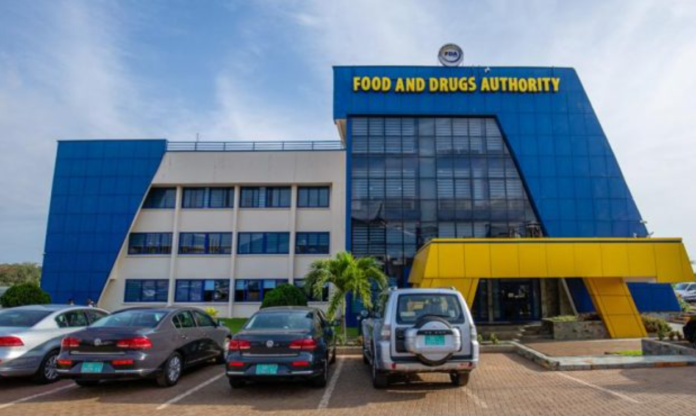

The Importers and Exporters Association of Ghana (IEAG) has called on the Food and Drugs Authority (FDA) to urgently resolve reported delays in the issuance of import codes and permits for regulated consignments at the ports.
The association said the delays had left some consignments uncleared because affected importers were unable to complete the required FDA processes and, in some cases, proceed with customs clearance and take delivery of their cargo.
In a press statement signed by the Executive Secretary of the IEAG, Samson Asaki Awingobit, the association said the situation required urgent attention, particularly amid existing operational and cost pressures at Ghana’s ports.
The IEAG said it recognised and supported the FDA’s statutory responsibility to regulate food, drugs, cosmetics, household chemicals, medical devices and other regulated products entering Ghana.
It noted that, according to the FDA’s published procedures, its Centre for Import and Export Control (CIEC) operated at the Tema Port, and permit control was integrated into the Integrated Customs Management System (ICUMS).
The association said the FDA’s procedures required the relevant permit to be approved before verification and final release of regulated consignments.
The IEAG said delays in obtaining FDA approval or codes could affect subsequent stages of the clearance chain, including customs declaration, duty payment, customs release, terminal release and physical evacuation of containers.
It stated that prolonged cargo dwell time could result in additional terminal storage charges, shipping-line demurrage, container detention charges, handling and documentation costs, increased financing costs and additional trucking and logistics expenses.
It expressed concern that importers might eventually pass such additional costs on to consumers through higher prices.
It said avoidable delays within the port clearance system should be addressed while maintaining effective regulatory enforcement without creating unnecessary bottlenecks in the movement of legitimate cargo.
The IEAG called on the FDA to investigate the reported delays, identify any technical, operational or administrative challenges and restore normal processing for compliant applications.
It also called for expedited processing of pending applications involving consignments already landed at the ports and accruing storage and related charges.
Where the challenge was system-related or connected to ICUMS integration, the association urged the FDA and relevant technical agencies to engage and resolve the issue.
It further called for clear communication to importers, customs house agents and other port stakeholders on the nature of the challenge, affected applications and expected timelines for resolution.
The IEAG also urged the authorities to consider appropriate relief or administrative intervention for demonstrable delays attributable to regulatory or system failures, particularly where compliant importers had incurred additional costs through no fault of their own.
The association said Ghana’s ports were critical gateways for trade, industry, manufacturing and distribution and urged government agencies and statutory bodies operating within the port clearance ecosystem to improve inter-agency coordination and eliminate avoidable bottlenecks.
It said regulation and trade facilitation should operate together and urged the FDA to address the reported bottlenecks to prevent compliant importers from bearing escalating costs arising from delays in the regulatory clearance process.