

The Ghana Medical Trust Fund (GMTF) has renewed its call for a stronger national response to the financial burden of serious and chronic illnesses, warning that no Ghanaian family should be forced to lose its savings, property or future simply to keep a loved one alive.
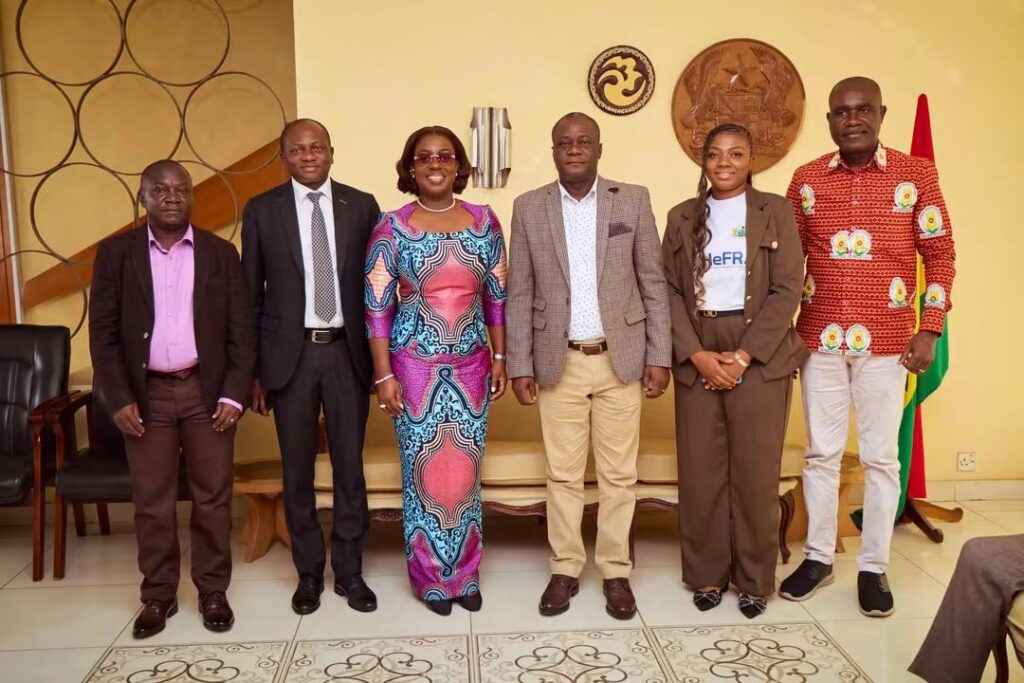
The call was made when the GMTF began its nationwide stakeholder engagement in the Western Region.
It brought together traditional and religious leaders, health professionals, political and community leaders, corporate institutions, civil society organisations, the media, youth groups and other stakeholders to deepen understanding of the Fund and build partnerships for specialised healthcare.
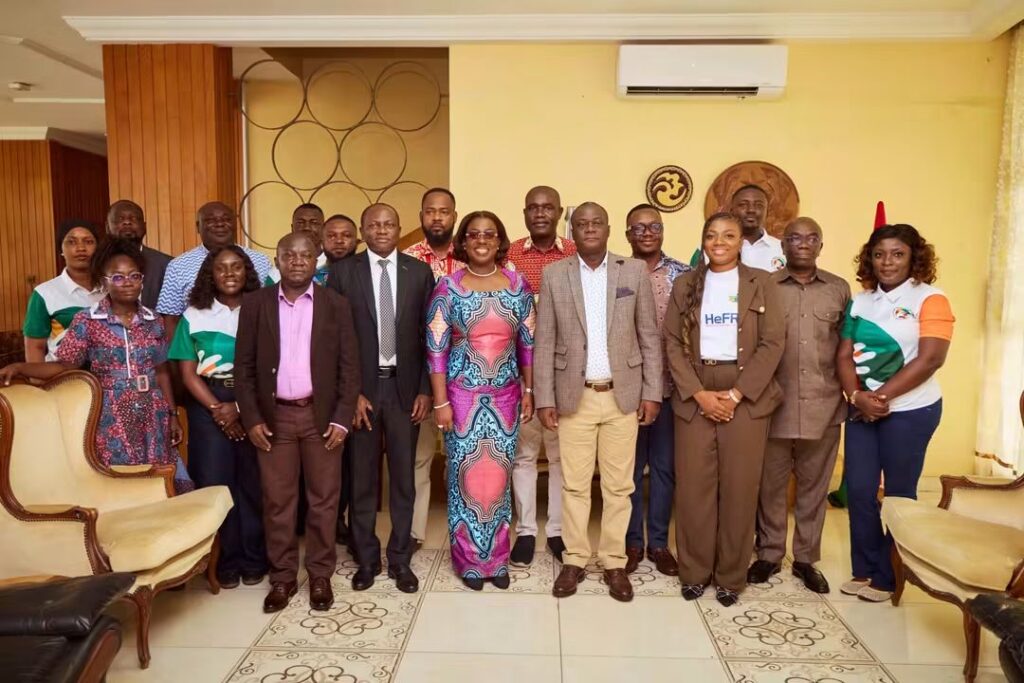
The Western Regional Minister, Joseph Nelson, who welcomed the initiative, described the establishment of the GMTF as an important policy response to the financial difficulties confronting families when serious illness strikes.
He said the diagnosis of a serious or chronic condition could bring enormous emotional, physical and financial pressure, particularly for families struggling to meet the cost of specialised treatment, medicines, and continuing care.
“Healthcare is not the responsibility of government alone. It is a shared national responsibility,” he said.
Mr Nelson, therefore, called for a collective effort involving government, the private sector, traditional authorities, religious bodies, civil society organisations and development partners to ensure that the Fund achieved its purpose.
He said the success of the GMTF would depend not only on the resources available to it but also on public awareness, confidence, transparency, accountability and effective collaboration at the national, regional and community levels.
‘Families are selling everything’
For the Administrator of the GMTF, Adjoa Obuobia Darko-Opoku, the urgency of the Fund could not be separated from the painful realities confronting families across the country.
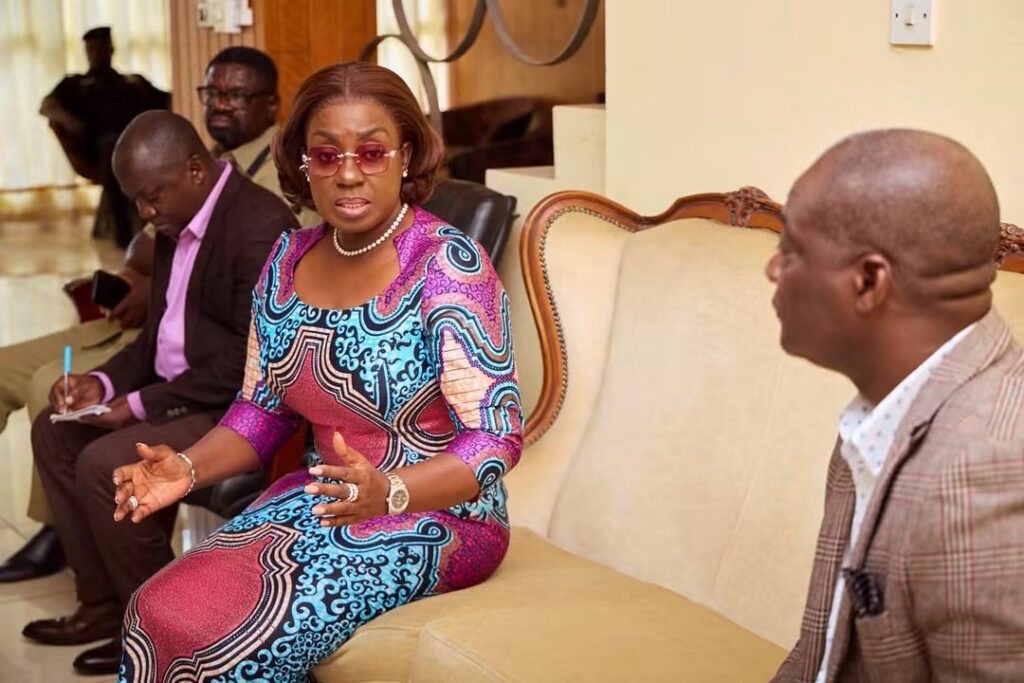
She said when serious illness struck, families were often compelled to calculate the cost of medicines, procedures, transportation and lost income, with the situation becoming increasingly desperate as treatment continued.
“For too many families,” she said, the struggle for treatment came after savings had been exhausted, relatives had contributed all they could and possessions had been sold.
Ms. Darko-Opoku stressed that no parent should have to choose between paying for a child’s treatment and keeping that child in school.
“No patient should have to abandon hope because the cost of care has become unbearable,” she added.
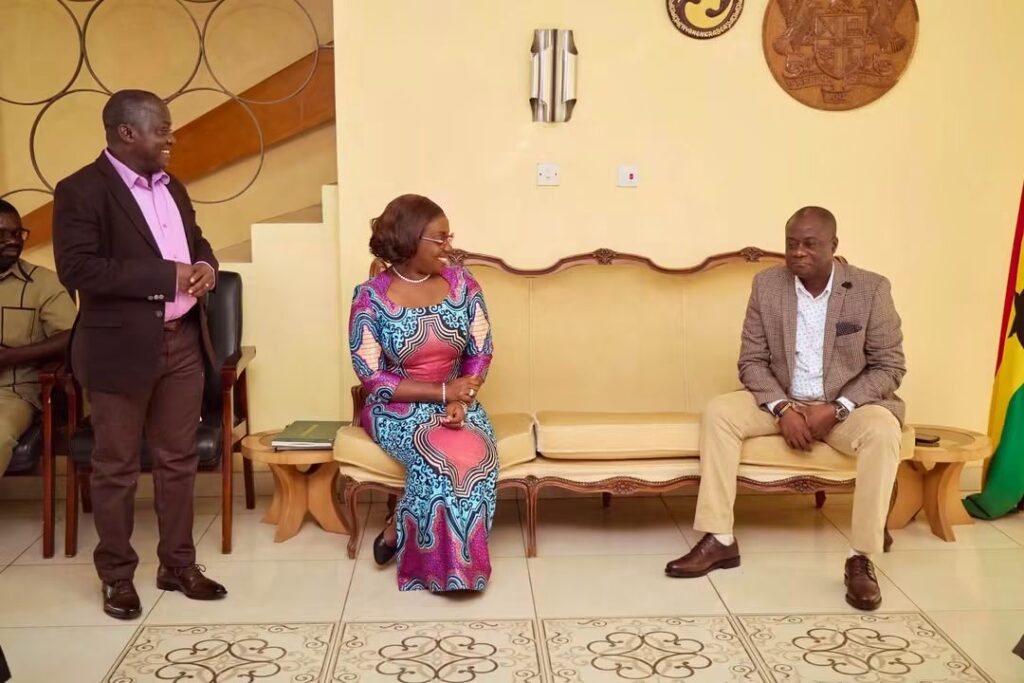
She said it was that reality that gave urgency to the work of the GMTF and its mandate to strengthen access to specialised healthcare.
Four-pronged strategy
Ms. Darko-Opoku said the Fund’s work was anchored on four major areas: financial support for eligible patients requiring specialised treatment for chronic non-communicable diseases; investment in medical equipment and health infrastructure; support for specialist training; and research and innovation.
She said the four pillars were designed to address both the immediate needs of patients and the long-term capacity of the country’s health system.
The Administrator said the Fund’s needs-assessment exercises had also exposed gaps in health facilities and underscored the need to direct support to areas where it could have the greatest impact.
Adjoa Obuobia Darko-Opoku identified the Effia Nkwanta Regional Hospital and other health facilities in the Western Region as important to the Fund’s efforts to strengthen healthcare delivery closer to communities.
“When appropriate care is available closer to home, patients can spend less time travelling, caregivers face fewer disruptions and families can devote more of their resources to treatment,” she said.
She added that distance should not deepen the suffering of a patient and that healthcare planning must be guided by the principle that every Ghanaian life mattered.
Corporate Ghana urged to join fight
Ms. Darko-Opoku also appealed to businesses and corporate institutions in the Western Region to partner the Fund in strengthening healthcare delivery.
She said there were opportunities for businesses to support patient treatment, provide medical equipment, improve infrastructure, develop specialist capacity and advance research.
According to her, a well-directed contribution could go far beyond its monetary value by helping a parent return to work, enabling a patient to continue treatment or strengthening a health service on which many families would depend.
She, however, stressed that partnerships must be built around clear needs, measurable results and lasting benefits.
The Administrator further assured stakeholders that accountability would remain central to the Fund’s operations, saying every resource entrusted to the GMTF carried a responsibility to be used carefully, fairly and for its intended purpose.
‘Put the patient first’
Ms. Darko-Opoku said the ultimate measure of the Fund’s success should be the difference it made in the lives of patients and their families.
“Behind an application is someone waiting for care. Behind a request for equipment are patients whose treatment depends on it. Behind every decision about resources are families hoping that help will come in time,” she said.
“Our success must be measured in treatment made possible, hardship eased and lives given a better chance.”
The Regional Minister Hon. Joseph Nelson pledged the support of the Western Region for initiatives aimed at improving the health and well-being of its people and said the region’s specific healthcare needs must form part of the national conversation.
He commended the GMTF for choosing the Western Region as the first stop in its planned engagement across all 16 regions, saying the initiative provided an opportunity for the region to help set the tone for subsequent engagements.
The engagement opened a broader national conversation on how Ghana can ensure that serious illness does not push families into financial ruin.
As the Fund takes its message to the remaining regions, the central message from the Western Region remains stark: a serious diagnosis should not become a sentence to poverty, and the ability to pay should not determine who gets a chance to live.