

The Government of Ghana, with support from the World Bank Group and other development partners, has launched the AgriConnect Compact, a national framework aimed at strengthening food security, creating jobs, reducing food imports, and mobilising investment across key agricultural value chains.
The Compact outlines a coordinated agenda for public and private sector action to boost productivity, expand value addition, improve access to markets and finance, and enhance resilience across Ghana’s agri-food system.
It prioritises cocoa, oil palm, rice, maize, and poultry, while also supporting other strategic sectors, including cashew, coconut, rubber, fisheries, and the forest economy.
During its first phase, spanning 2026 to 2030, the Compact aims to improve food and nutrition security for an estimated 2.99 million people and support the creation of more than 2.6 million jobs by 2035.
Financing requirements for the first phase are estimated at approximately US$3.5 billion, with funding expected from the Government of Ghana, development partners, and the private sector.
“Ghana’s AgriConnect Compact is a bold step toward building a more productive, resilient, and jobs-rich food system. By linking policy reform with investment and delivery, Ghana is creating the conditions to strengthen food security, support farmers and agribusinesses, and unlock private capital at scale,” said Guangzhe Chen, World Bank Group Vice President for Planet.
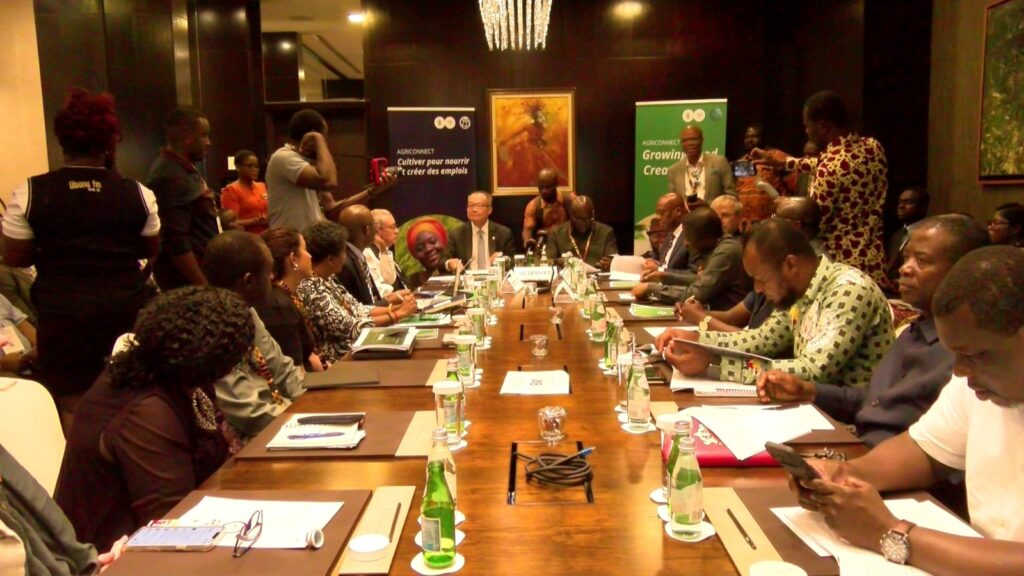
“AgriConnect is about turning Ghana’s agricultural potential into tangible results: more food on the table, more jobs for young people, and more value created here at home. This Compact provides a clear roadmap to modernize agriculture, support farmers, and build stronger value chains that can drive growth nationwide,” said Eric Opoku, Minister of Food and Agriculture.
“The Government of Ghana remains fully committed to working with all stakeholders to translate the aspirations of this AgriConnect Compact into tangible results for our people. This is Ghana’s moment to feed itself, employ its youth, build competitive industries and create wealth from its own soil “ said Thomas Nyarko Ampem, Deputy Minister of Finance.
The initiative is designed to strengthen domestic production, build resilience, and support a more competitive rural economy. It focuses on irrigation, seed systems, mechanization, farmer services, agroprocessing, and logistics so that more food is grown, processed, and marketed in Ghana.
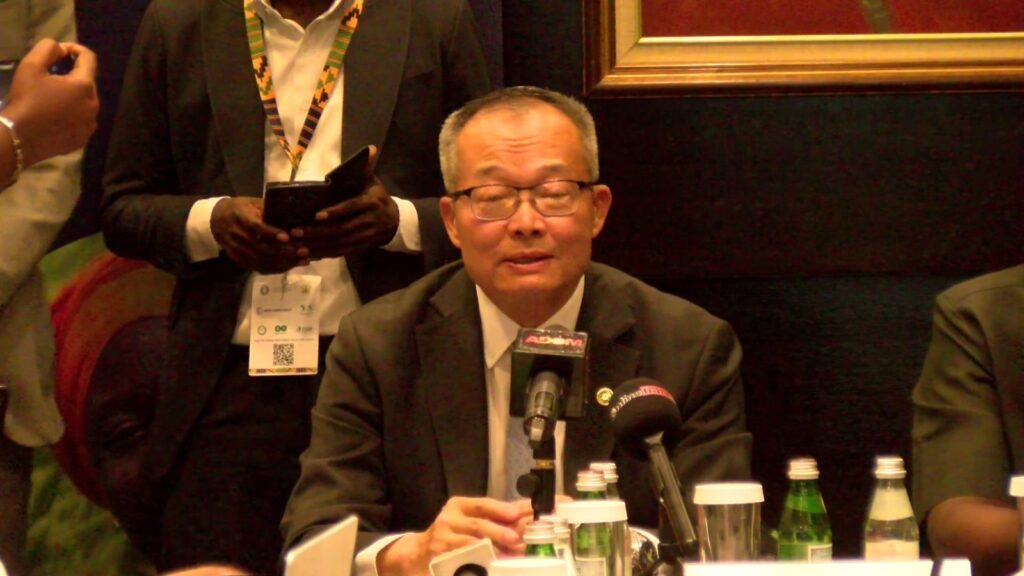
The Compact is being advanced by the Government of Ghana, with support from the World Bank Group and other partners, as part of a broader effort to accelerate agricultural transformation, crowd in private capital, and strengthen implementation.
It emphasizes results, coordination, and stronger collaboration across government, development institutions, agribusinesses, and farmer organizations.
The Compact brings together policy reforms, targeted investments, and delivery mechanisms under one national framework to position agriculture as a driver of inclusive growth, industrialization, resilience, and long-term prosperity.