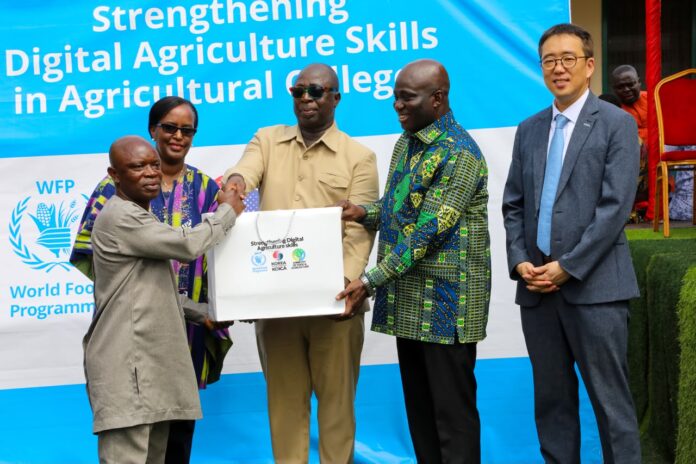

Five colleges of Agriculture in Ghana are witnessing a major transformation in teaching and learning with the introduction of digital technologies designed to prepare students for the changing demands of the agricultural sector.
The initiative, supported by the Korea International Cooperation Agency, and the World Food Programme, in partnership with the Agric Ministry will provide students and instructors access to digital climate-smart agricultural technologies.
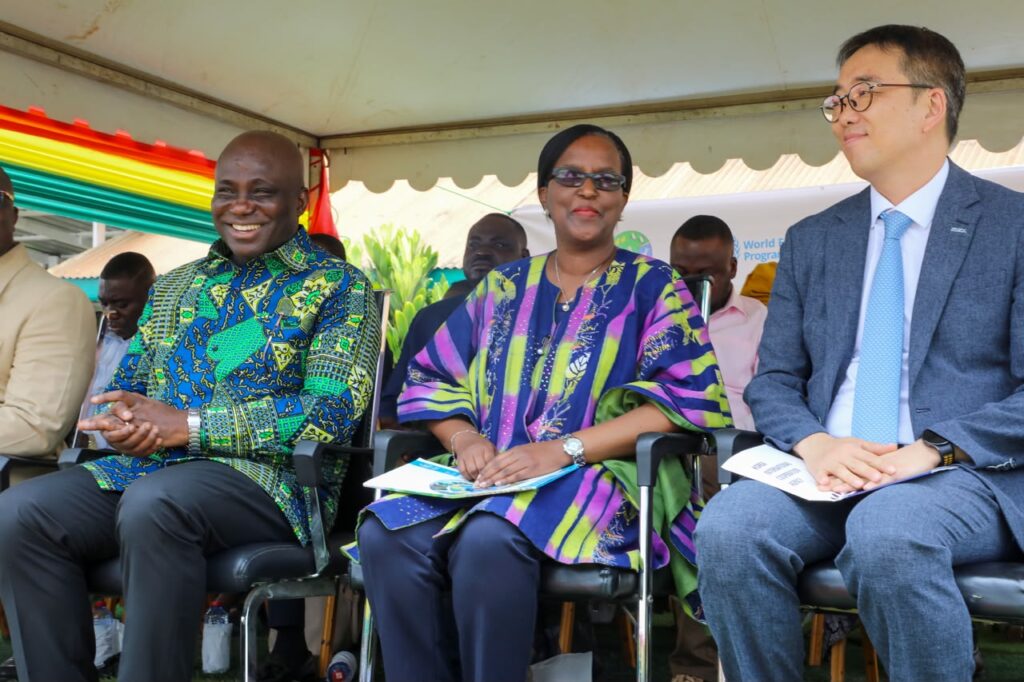
The digital tools will ensure that agricultural professionals exiting these colleges are equipped with the skills and knowledge to effectively apply mechanization and digital technologies to improve productivity, efficiency, and resilience across the agricultural value chains.
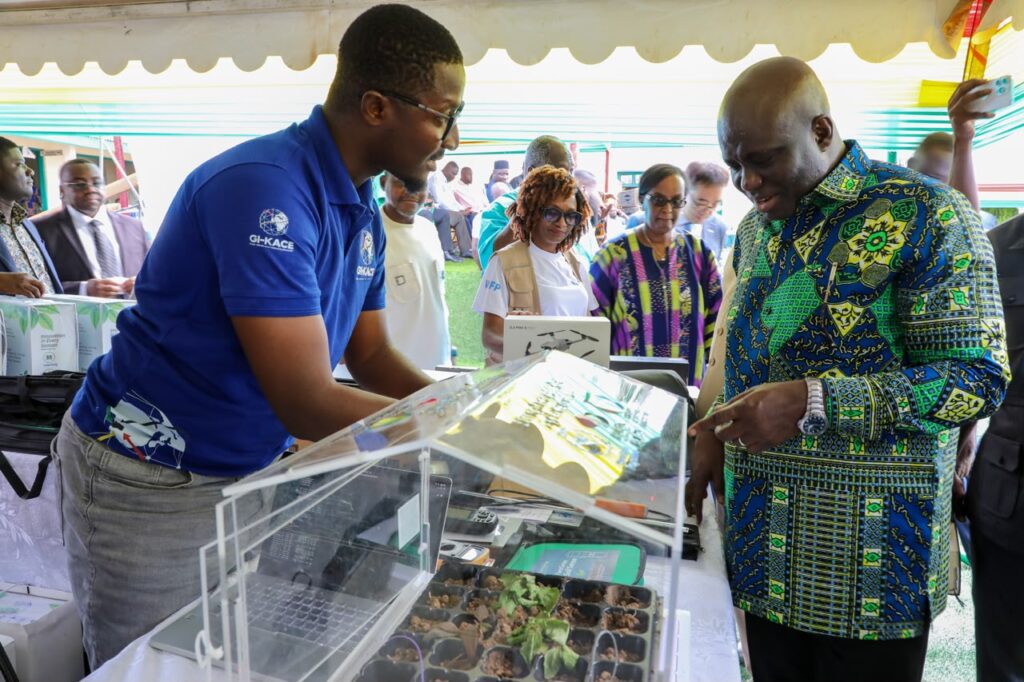
The tools included 60 moisture meters, 60 soil testers, 60 greenhouse environmental-control learning kits, 60 IoT sensor education kits, weather station starter kits, and 60 GPS devices.
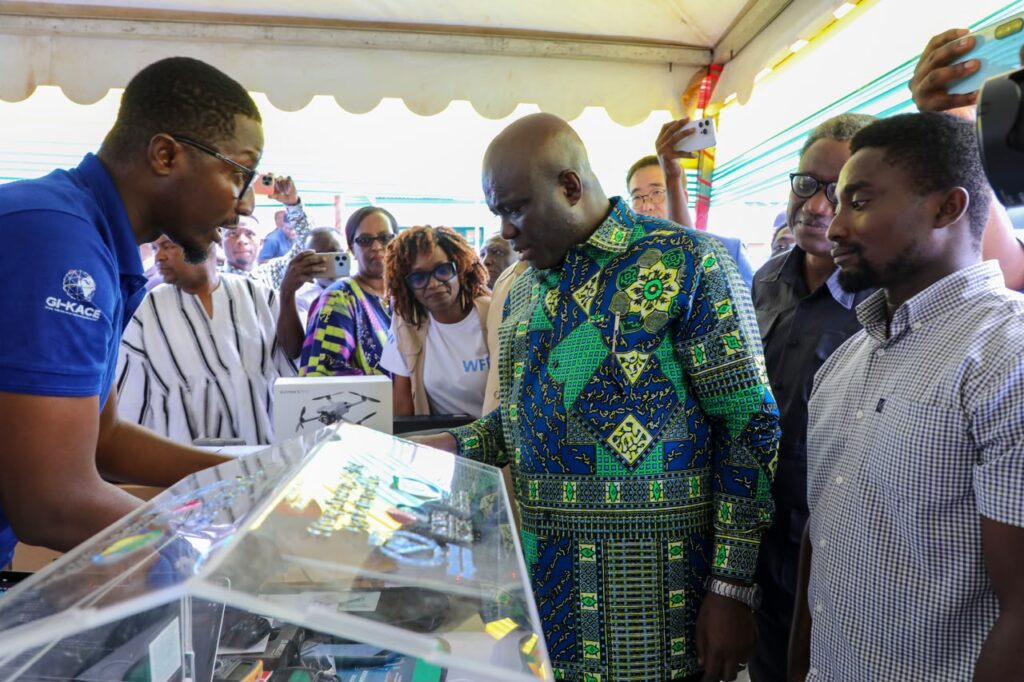
The package also included agricultural spraying and drone-flight simulation systems, as well as agricultural data-processing software.
Ghana’s agriculture continues to face challenges, including climate variability, declining productivity, pest and disease outbreaks, post-harvest losses and limited access to timely information and markets.
Across the world, technologies such as drones, Geographic Information Systems, IoT sensors, artificial intelligence and digital farm-management platforms are increasingly being used to improve agricultural decision-making and productivity.
But their adoption in Ghana remains limited, particularly among smallholder farmers, partly because of gaps in digital skills, practical exposure and access to appropriate technologies.
To help bridge that gap, a range of modern agricultural equipment has been provided to the five colleges of Agriculture including Kwadaso, Damongo, Wenchi, Ohawu, and Ejura.
Food and Agriculture Minister, Eric Opoku, explains the equipment is expected to give students hands-on experience with technologies increasingly being applied across the agricultural value chain.
“We are moving towards a future where farmers can assess soil conditions before applying nutrients; where weather information can inform decisions on planting and farm management; where soil moisture can be monitored to improve water-use efficiency and reduce losses; and where drones, sensors, digital platforms, and data analytics become practical tools for increasing productivity,” he noted.
The ceremony forms part of the KOICA-WFP partnership on Youth Economic Empowerment through Digitalization for Resilience in Food and Nutrition Security and Improved Livelihoods.
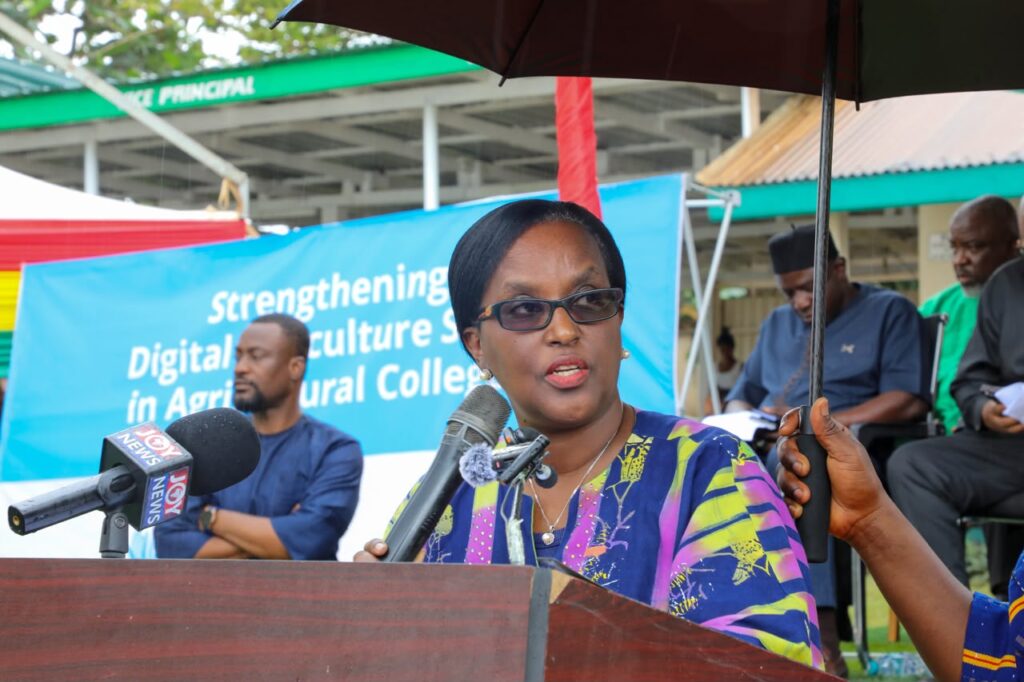
Country Director for the World Food Program, Aurore Rusiga, explains the agriculture colleges were selected for the support to strengthen their capacities, which eventually influences the quality of agricultural services available to farmers.
“Agricultural colleges provide an important entry point for building capabilities of using technologies. They prepare many of the extension officers, agricultural technicians, professionals, and entrepreneurs who will work directly with farmers and other actors across the agricultural value chains,” she noted.
She continued that: “We want to ensure that agricultural professionals from these colleges are equipped with the skills and knowledge to effectively apply mechanization and digital technologies to improve productivity, efficiency, and resilience across the agricultural value chains.”
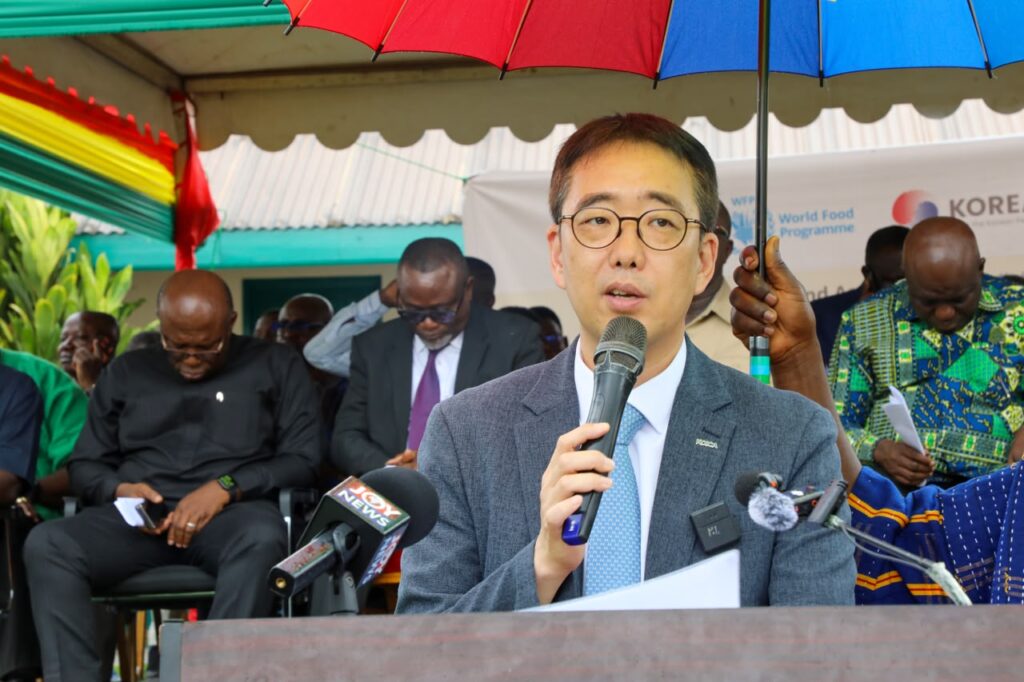
Country Director for KOICA Ghana, Dong Wan Woo, is encouraging the colleges to integrate the technologies into practical training and ensure that students have meaningful opportunities to use them.
“The real value of this equipment depends on how it is used. We encourage the colleges to integrate these tools into practical training, maintain them properly, and give students meaningful opportunities to use them. KOICA remains committed to working with the government and people of Ghana for sustainable and inclusive development,” he said.
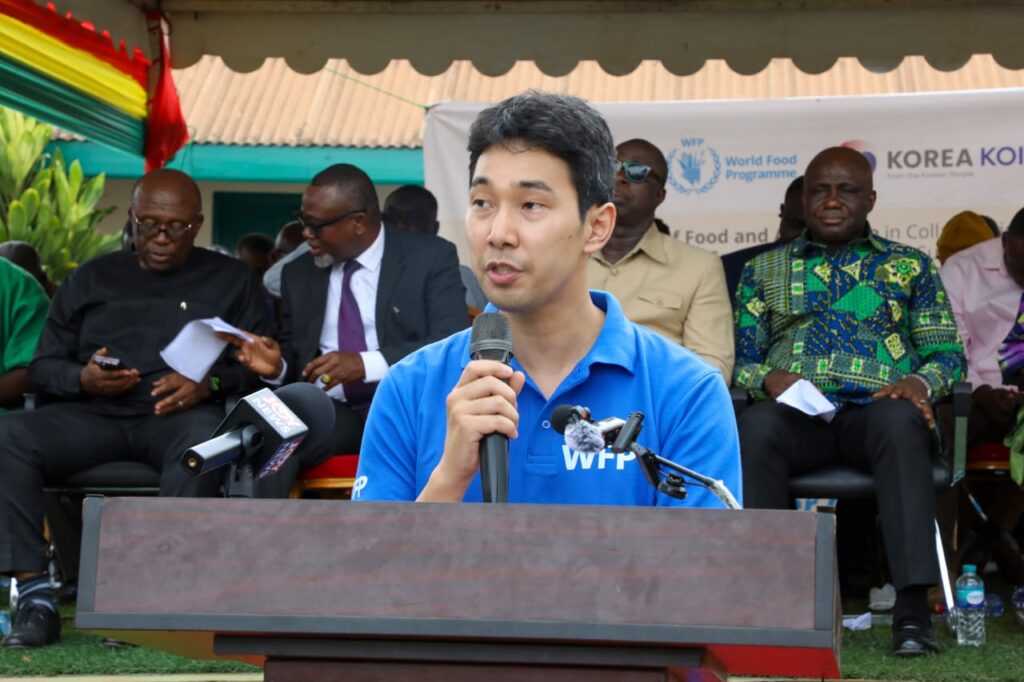
Instructors and tutors are also expected to undergo a three- to four-week practical drone-training programme with the Digital Agriculture Training Programme gradually rolled out to students across the five agricultural colleges.
The principal of the Kwadaso College of Agriculture, Albert Appiah Amoako, expressing the colleges’ gratitude for the items, highlighted how essential the tools are for their pedagogy in meeting the changing needs of the agricultural sector.
The agri-tech initiative builds on WFP’s support for practical skills development within Ghana’s agricultural colleges, which began in 2025 with the Post-Harvest Mechanization Training Programme.