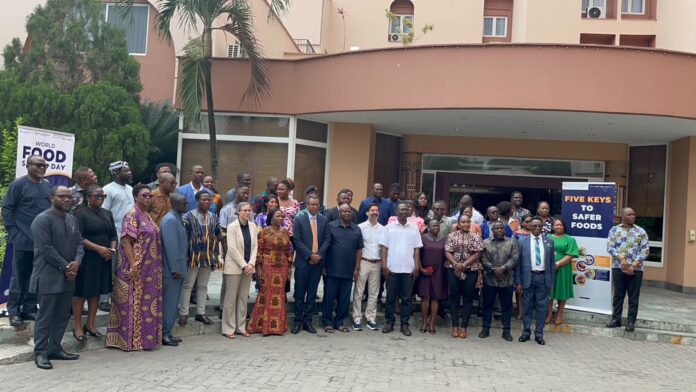

The Food and Drugs Authority (FDA) has raised concerns over the presence of potentially harmful heavy metals in some food, cosmetic, and traditional products commonly used by Ghanaians, including kaagikaagi (kohl), hyire (bentonite clay), cereal mixes for babies, turmeric and some skin-lightening products.
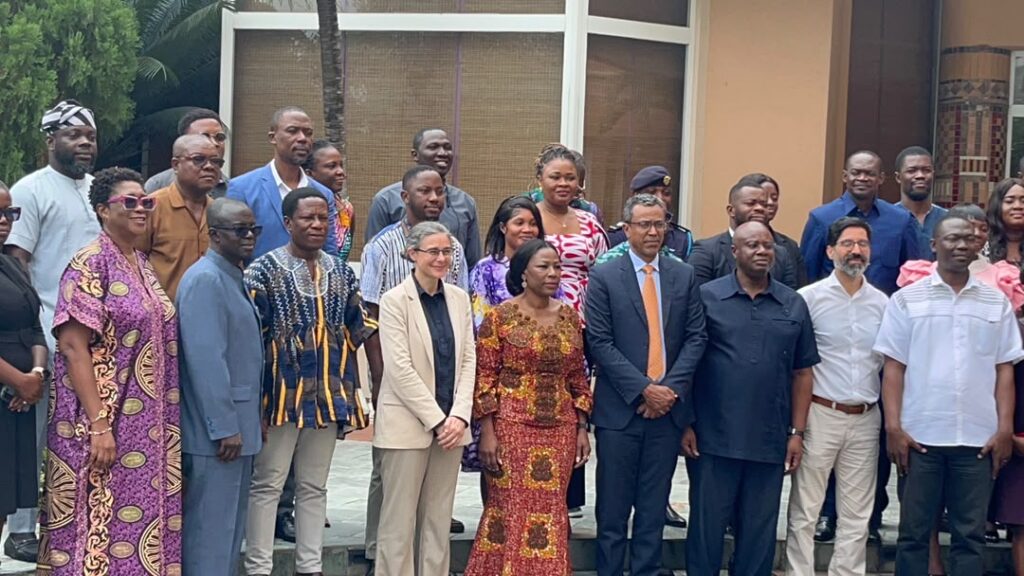
Speaking at the launch of the National Strategy for Heavy Metals Reduction in Food, Deputy Chief Executive Officer in charge of the Food Division at the FDA, Roderick Kwabena Daddey-Adjei, disclosed that a recent nationwide assessment conducted by the FDA with support from UNICEF detected concerning levels of heavy metal contamination in selected products on the Ghanaian market.
According to Mr Daddey-Adjei, the assessment identified kohl (kaagikaagi), turmeric, cereal mixes, bentonite clay (hyire) and some skin-lightening products as potential sources of exposure to heavy metals, particularly lead, cadmium, and mercury.
“Consumers need to be vigilant about the products they purchase and consume and make informed choices,” Mr Daddey-Adjei said, stressing the need for greater awareness of the potential risks associated with exposure to heavy metals.
The assessment found that cereal mixes recorded a 42.90 percent failure rate for lead contamination, while bentonite clay recorded a 24.62 percent failure rate for lead and 29 percent for cadmium. Turmeric samples also showed significant levels of contamination.
The findings have heightened concerns about the possible health implications of prolonged exposure to heavy metals, particularly for children and other vulnerable groups.
Mr Daddey-Adjei said the FDA would intensify market surveillance and undertake major operations across markets nationwide to identify and address products that fail to meet safety requirements.
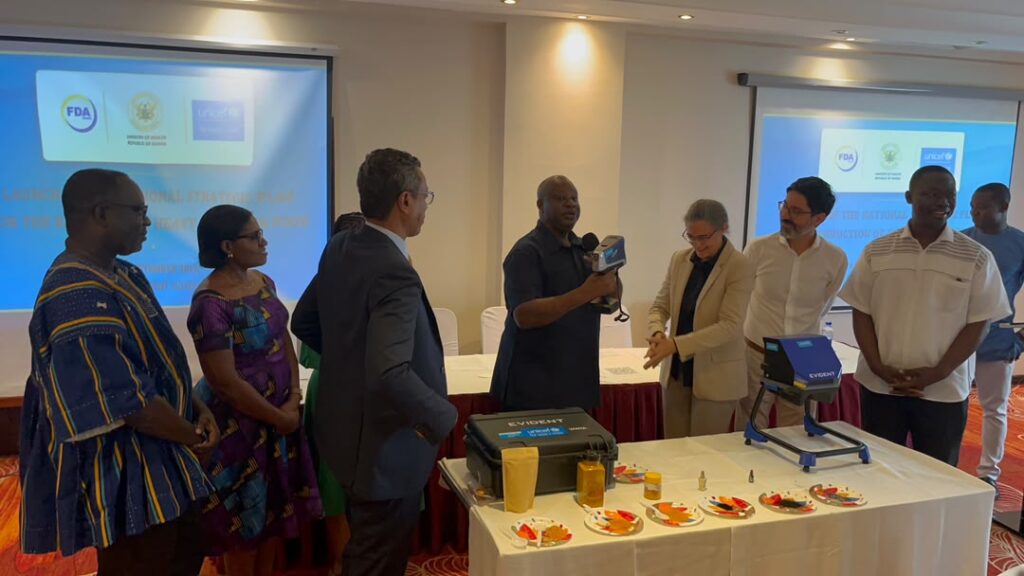
He also disclosed that UNICEF had donated an X-ray fluorescence (XRF) machine to the FDA to strengthen the