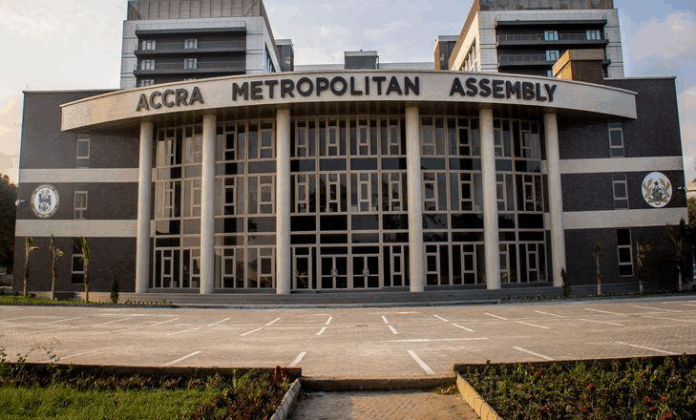

The Accra Metropolitan Assembly (AMA) has organised a retirement preparedness training programme for its staff as part of efforts to equip workers with knowledge on pension planning, financial security, and life after active service.
The programme, held under the theme “Promoting Retirement and Lifestyle Readiness,” forms part of the Assembly’s 2026 Training and Capacity Building Plan aimed at addressing staff welfare and long-term preparedness.
Participants were taken through issues relating to pension rights, emergency savings, mental well-being, health protection, and social support systems needed for a smooth transition into retirement.
A representative from the Social Security and National Insurance Trust, Mr. Alexander A. Bossman, educated staff on pension-related matters, including the differences between the SSNIT pension scheme and the Cap 30 pension arrangement.
He urged workers to take interest in their pension contributions and records early, stressing that retirement planning should not begin only when one is close to exiting active service.
Mr. Bossman also advised workers to regularly update beneficiary details to protect their dependents and ensure easy access to survivor benefits in the event of death.
The Director of Planning at the AMA, Mr. Richard Kwame Oduro, encouraged staff to build emergency savings to cushion them during unexpected situations, especially health-related emergencies.
Sharing personal experiences, he advised workers to create dedicated emergency or “legacy accounts” and automate savings to build financial resilience over time.
Meanwhile, an officer at the AMA Human Resource Department, Mr. Emmanuel Acquah Esq., highlighted the emotional and social adjustments that come with retirement, cautioning that many retirees struggle with loneliness after leaving the structured work environment.
He encouraged staff to join social groups, religious bodies, fitness associations, and other networks that would help them remain active and socially connected after retirement.
The programme ended with a call on staff to take personal responsibility for their retirement planning by protecting their health, building financial stability, and understanding their pension rights before leaving active public service.