
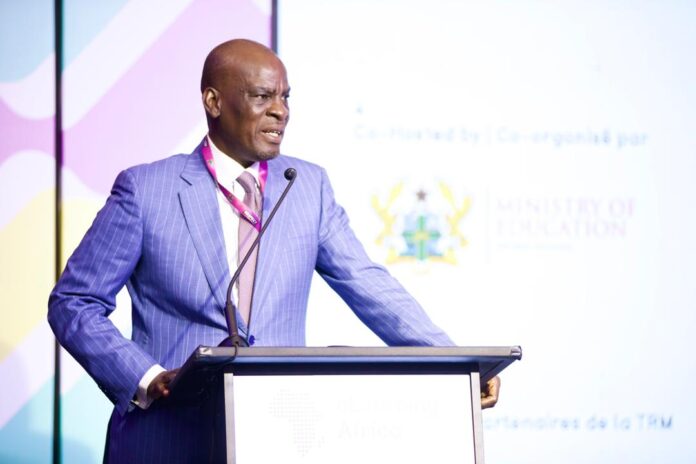

Education leaders, policymakers, development partners and technology experts have called for Africa to take ownership of its digital education future by developing homegrown solutions and promoting the responsible adoption of artificial intelligence (AI) across the continent.
The call was made at the 18th Ministerial Round Table held under the theme, “Championing Sovereign, Innovative and United Learning Systems: Empowering Africa on Its Own Terms.”
Delivering the keynote address, Ghana’s Minister for Education, Haruna Iddrisu, stressed the need for Africa to position itself as a leader in digital learning rather than relying on externally developed solutions.
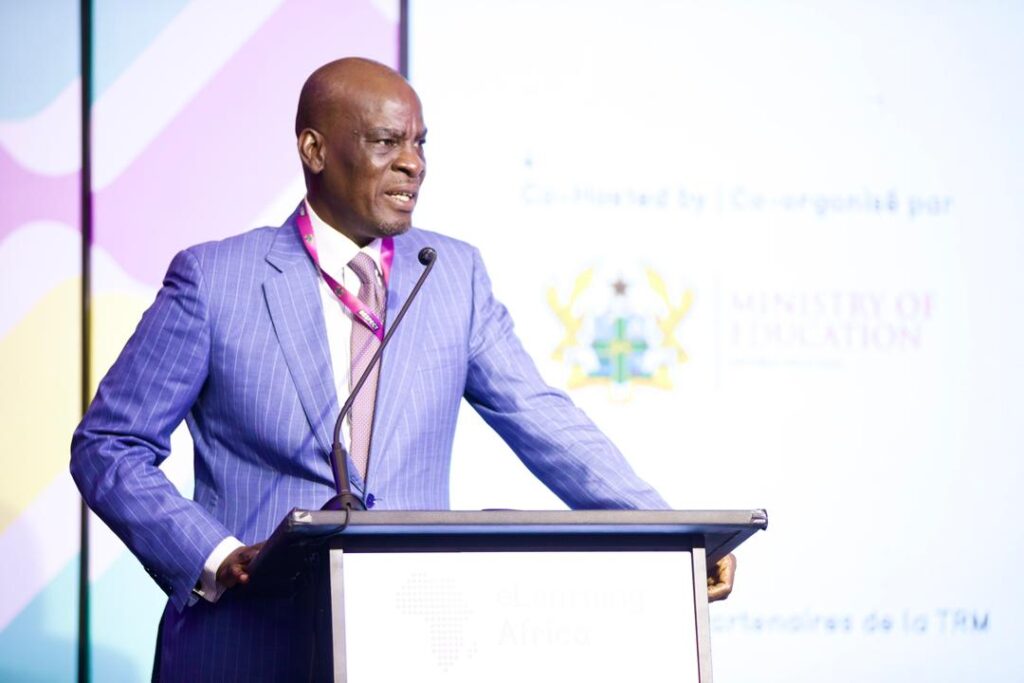
“Africa must become a leader in digital learning, not a spectator waiting for solutions or handouts from elsewhere,” he stated.
The Minister highlighted Ghana’s ongoing investments in digital education, STEM learning, artificial intelligence, robotics and curriculum reforms aimed at equipping learners with skills for the future economy.
According to him, developing locally relevant educational content, strengthening institutions and ensuring equitable access to technology-driven education are critical to improving learning outcomes, particularly in underserved communities.
Mr Iddrisu also stressed the need for increased investment in AI literacy and the development of ethical frameworks that reflect African values, cautioning against the continent becoming merely a consumer of technologies developed elsewhere.
Speaking at the event, UNESCO Representative to Ghana, Edmund Moukala, underscored the importance of foundational literacy in preparing learners for the era of artificial intelligence.
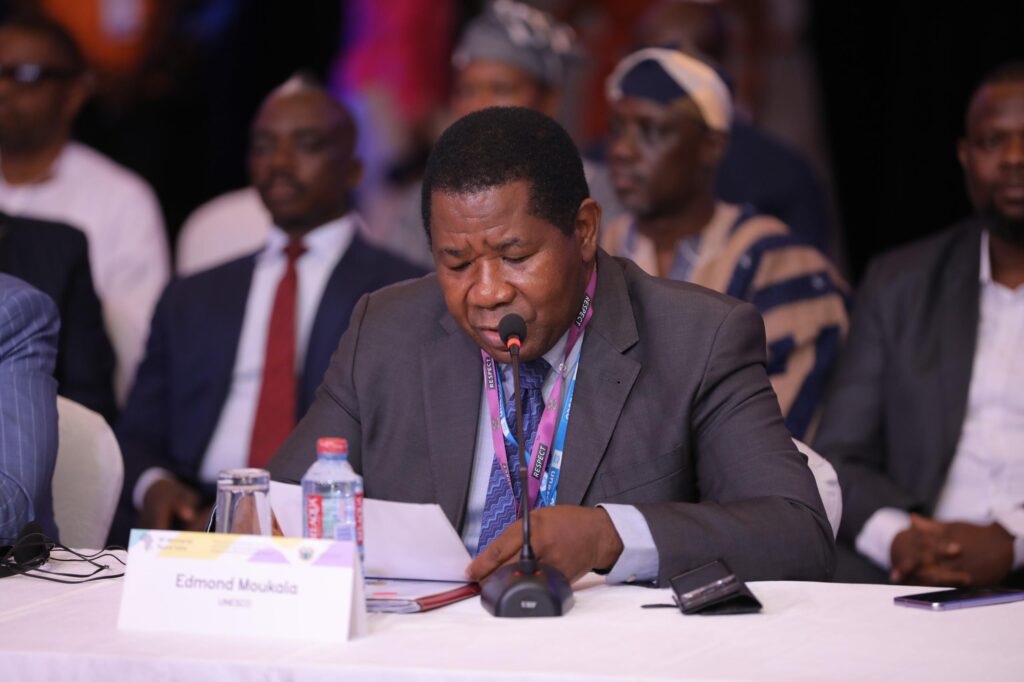
He argued that the ability to read, write, think critically and evaluate information remains central to digital empowerment and AI readiness.
“Literacy is the trunk, while digital literacy, computer literacy and AI competencies are the branches. The branches cannot be strong when the trunk is weak,” he said.
Mr. Moukala further urged governments to play a more active role in shaping digital learning ecosystems, emphasizing that education in digital environments is too important to be left solely to market forces.
He highlighted UNESCO’s advocacy for public digital learning platforms that support teachers, safeguard user data and promote education as a public good.
According to him, while AI is transforming education, the education sector also has a significant responsibility in shaping how artificial intelligence is developed, governed and deployed across society.
Discussions at the round table concluded with a shared commitment among African education stakeholders to build sovereign, innovative and collaborative learning systems that harness technology responsibly while advancing the continent’s educational priorities on its own terms.
