

You may think you are doing your child, cousin, sibling or that little one a lot of good by giving them an electronic gadget, perhaps to keep them occupied and stop them from disturbing you.
But have you ever stopped to think about the dangers that may be waiting for them online? Maybe not.
As parents and caregivers, we naturally want our children to be comfortable and happy, especially during the long vacation when they are mostly at home.

But with many parents busy with work and other responsibilities, it is becoming increasingly common to leave children with phones, tablets and other gadgets to keep them occupied.
The question is: who is keeping an eye on what they are doing with these gadgets?
Not too long ago, my niece, let’s call her Afia, almost found herself in a difficult situation.
Her biological father, who had not been part of her life since she was born, suddenly resurfaced after Afia’s grandmother passed away.
He somehow got her number and began communicating with her, claiming he wanted to take responsibility for her.

But rather than simply reconnecting with his daughter, his conversations began to paint her mother in a bad light. Afia, being a child, could easily have been influenced by what she was being told.
Could this have happened because she was not properly supervised? I would say yes.
Wanting your child to have everything they need does not mean giving them unrestricted access to the internet without monitoring what they are doing. Sometimes, what children do online is the very thing you least expect.
And it is not only children who are vulnerable.
Even as adults, there are websites and links we click without properly checking whether they are legitimate or compromised. This brings us to PHISHING, not FISHING.
Phishing involves cybercriminals disguising malicious links, messages or websites as legitimate ones in an attempt to trick people into revealing sensitive information or giving them access to their accounts.
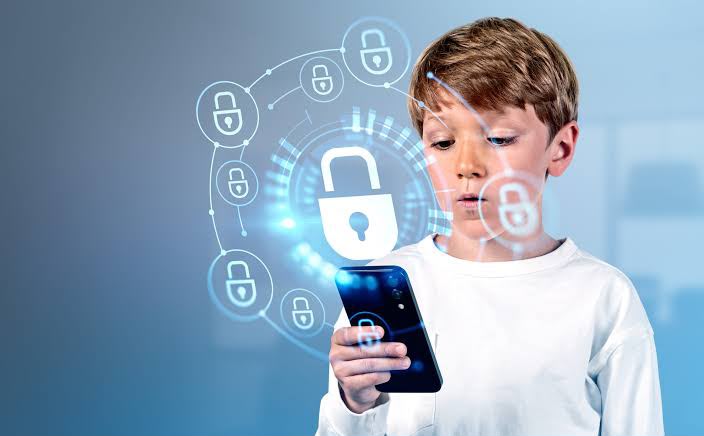
The worrying part is that even people we believe should know better can fall victim.
Broadcast journalist Saddick Adams of the Angel Broadcasting Network once shared his experience of receiving a phishing link from a trusted friend.
He clicked on it, and his X account was subsequently compromised. His followers were then contacted and attempts were made to extort money from them using his identity.
If an experienced adult can fall victim because a link appeared to come from someone he trusted, imagine how vulnerable an unsupervised child can be.
Children are naturally curious. They trust easily. They may click on a link because it was sent by someone they know, accept a friend request because the person appears friendly, or share a picture because they believe the person on the other end can be trusted.
And that is where the danger begins.
The Cybersecurity Act, 2020 (Act 1038), particularly Sections 62 to 66, provides protection for children online. It addresses offences including:
- Indecent images and photographs of a child
- Dealing with a child for purposes of sexual abuse
- Aiding and abetting the dealing of a child for purposes of sexual abuse
- Cyberstalking of a child
- Sexual extortion.
These provisions should not simply remain in the law books. They should serve as a reminder to parents and caregivers of the responsibility they have to protect children who are exposed to the internet.
Children can easily be lured into sharing indecent images or engaging with strangers online because they believe the person on the other side is genuine and trustworthy. By the time they realise something is wrong, it may already be too late.
Recently, DJ Switch of Talented Kids fame, speaking on Joy FM’s Strong and Sassy, spoke about how her mother protected her from certain comments and interactions surrounding her content when she was younger.
Her experience is a powerful reminder of what parental supervision can do.
Giving a child a phone or tablet should not mean handing over complete freedom. Once we introduce children to the internet and social media, we also take on the responsibility of guiding them through that space.
Talk to them about what they see online. Know the platforms they use. Explain the dangers of speaking to strangers, clicking unknown links and sharing personal or private information.
Most importantly, create an environment where they feel comfortable telling you when something does not feel right.
The internet can be a wonderful place for children to learn, create and connect. But without proper guidance and supervision, it can also expose them to dangers they are simply not equipped to handle.
So, before you hand that gadget to your child to keep them quiet or occupied, ask yourself one simple question:
What happens after I give it to them?
Let us give our children access to technology, but let us also give them the protection, guidance and supervision they need to use it safely.
Let’s keep our children safe online.