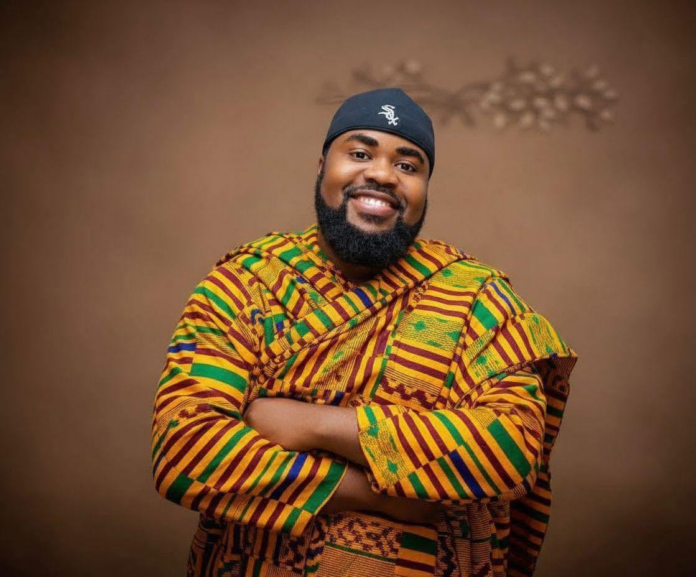

There are musicians whose names are attached to hits whiles there are musicians whose work makes the hits possible.
For years, the Ghanaian music industry has celebrated the singers standing in front of the microphone and commanding stages; the familiar faces on album covers. But behind many of those voices was a multi-talent who could write, sing, arrange, produce, provide backing vocals, play his part in the studio and, most importantly, understand what a song needed to become memorable.
His name is Morris Babyface.
And if Ghana’s music history were properly documented, his name would sit much closer to the centre of the industry conversation.
The remarkable thing is that he did much of it without demanding that the spotlight follow him.
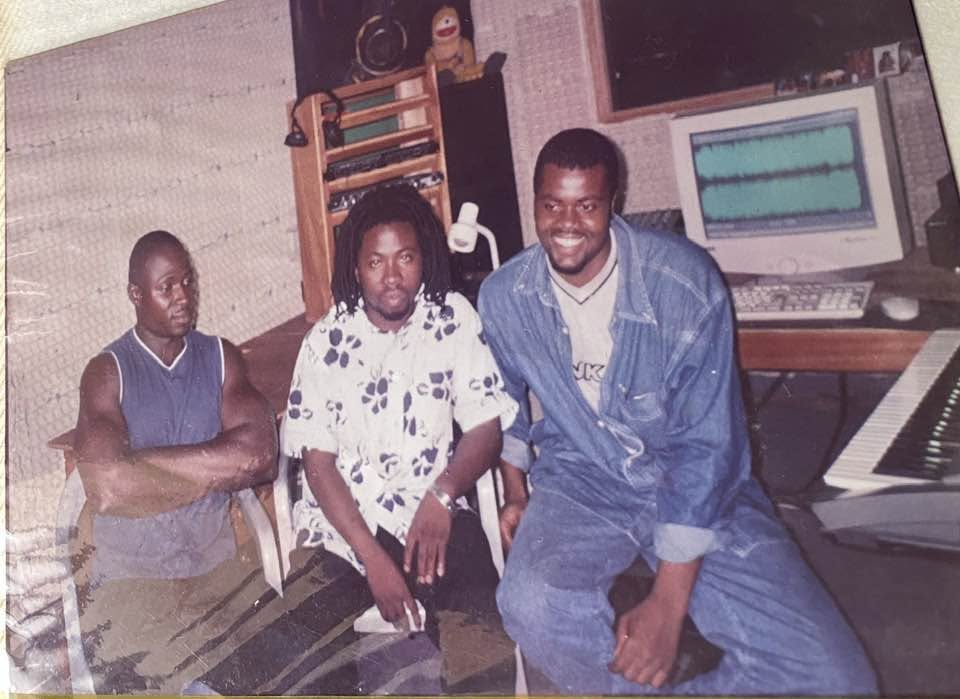
Across several decades, he has worked with some of the most influential names in Ghanaian music, moving comfortably between highlife, hiplife, gospel and popular music.
His catalogue reads almost like a timeline of Ghanaian music.
In the highlife industry, he either wrote, mastered or produced full albums for the likes of Sonnie Achiba, Obrafour, Obour, Kojo Antwi, Kontihene, Okomfour Kwadee, Lucky Mensah, Pat Thomas, Nana Agyemang, Ofori Amponsah, A. B. Crentstil, Lord Kenya et al. His catalogue of one-hit wonders are way too many for the fingers to count.
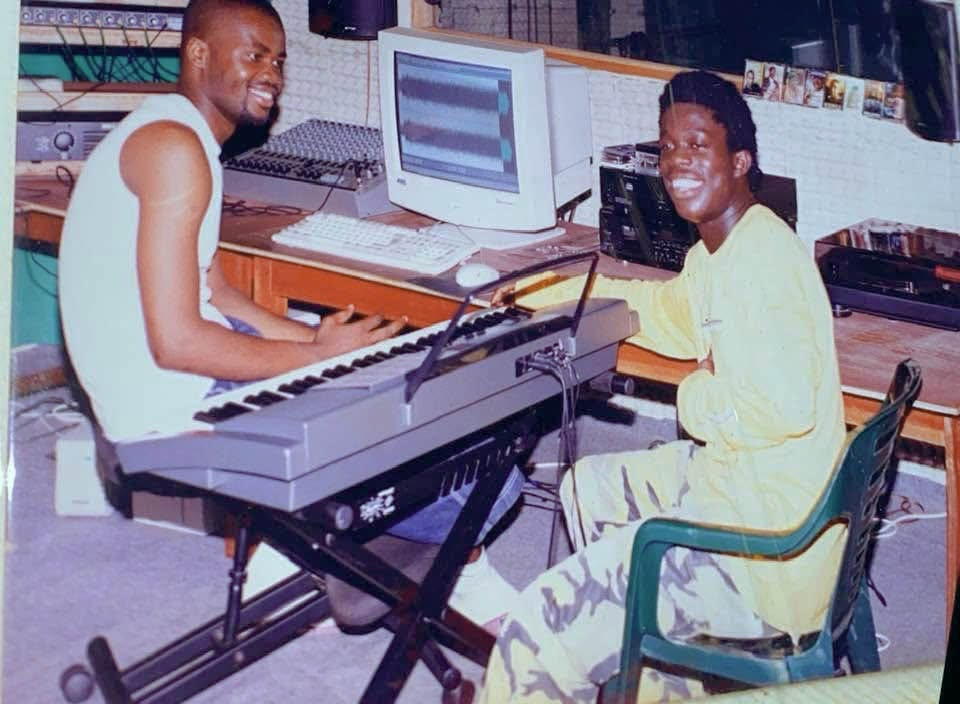
However, it was his stride in the gospel industry that propelled him into the limelight.
Ask the average Ghanaian music lover to mention some of their favorite songs from Nobel Nketia, Tagoe Sisters, Ceccy Twum, Yaw Sarpong etc, and there’s a good chance Morris Babyface is an architect of the project.
One of the clearest examples of Morris Babyface’s creative importance can be found in his relationship with Esther Smith. Their professional partnership is arguably the most successful singer-producer collaboration in the history of Ghanaian gospel music.
When Esther Smith was in her early 20s and working at a printing press, she received the songs for her breakthrough album during intense moments of prayer and fasting. Her close physical proximity to Morris’s recording studio was the crucial final piece that allowed her to get into the studio and bring those heavily inspired melodies to life.

Esther Smith walked into the studio with a melody that required exceptional technical ability, and Morris had plenty of it. The songs connected. The audience responded. And suddenly, the man behind the music was no longer completely hidden from view, he became a household name in his own right.
Morris believe his talent is a divine gift, undeniably, but the role his family also played cannot be overlooked. He comes from a genealogy of musicians.
His mother was the renowned gospel musician Georgina Osei Acheampong, while his father was palm-wine guitarist Kofi Twumasi, associated with Koo Nimo and his Adadamdu musical tradition.
He is the senior brother of another legendary Ghanaian producer-musician Buddy Roro whom he introduced into production.
Music, therefore, was not simply a career choice. It was part of the environment in which he grew.

Ironically, after roughly three decades of contributing to Ghanaian music, the honours attached to Morris Babyface’s name appear surprisingly modest.
He is only known as a two-time winner of the Ghana Music Awards’ Best Sound Engineer category. And that, for a musician whose work stretches across generations and genres, feels like an incomplete acknowledgment of his contribution.
Awards are not the only measure of legacy, of course, but recognition matters. It tells the next generation who built what came before them. And in Morris Babyface’s case, there is a strong argument that the industry owes him more than it has given.
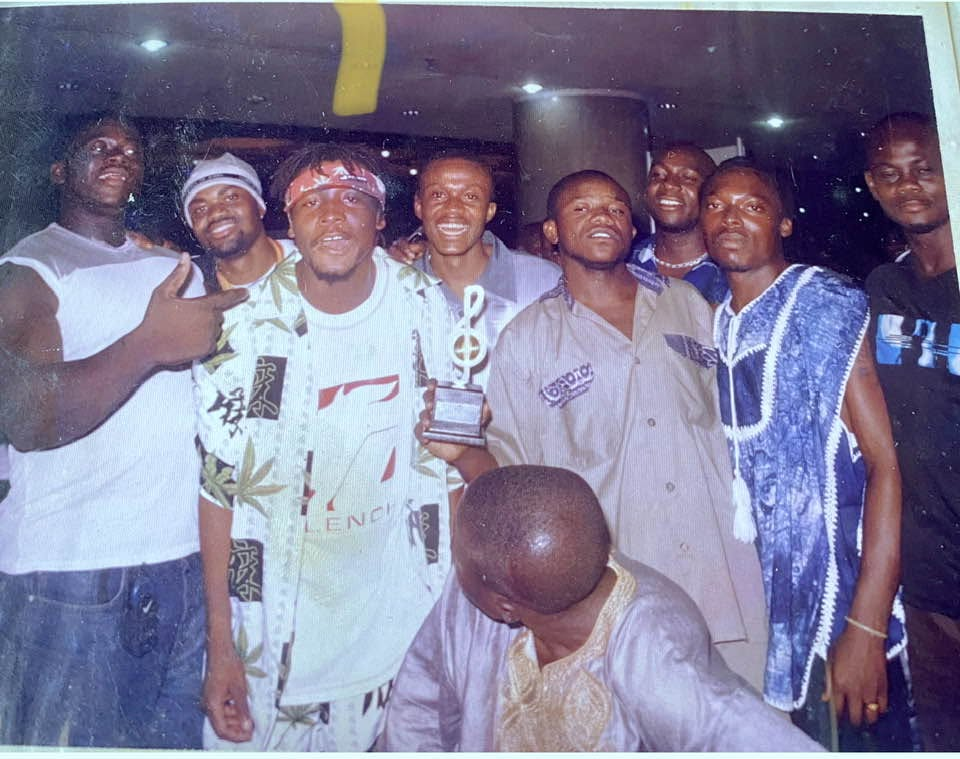
There was a period when Ghanaian music was evolving rapidly. Highlife was transforming. Hiplife was becoming a dominant cultural force. Gospel music was expanding its audience. The studio was becoming increasingly important to how Ghanaian artistes developed their sound, and there was the versatile Morris Babyface, living through it all.
It’s about time honour is given to whom it is due.
The next time you hear ‘Morris Babyface’ intertwined in any lyrics, remember the jingle carries the creative fingerprint of a young legend worth celebrating.