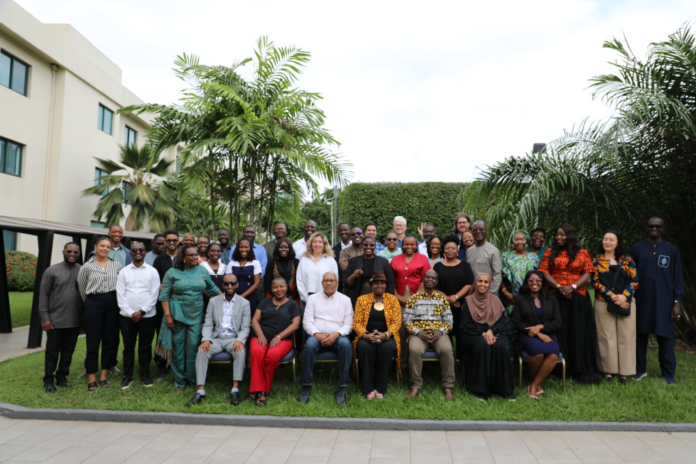

Leading climate experts and diplomats from across Africa have converged in Accra for a two-day technical workshop to develop a common African position on the newly established Global Just Transition Mechanism (JTM).
The workshop, being held from August 10 to 11, 2026, is serving as a key preparatory meeting ahead of COP31, where countries are expected to determine the operational framework of the new climate mechanism.
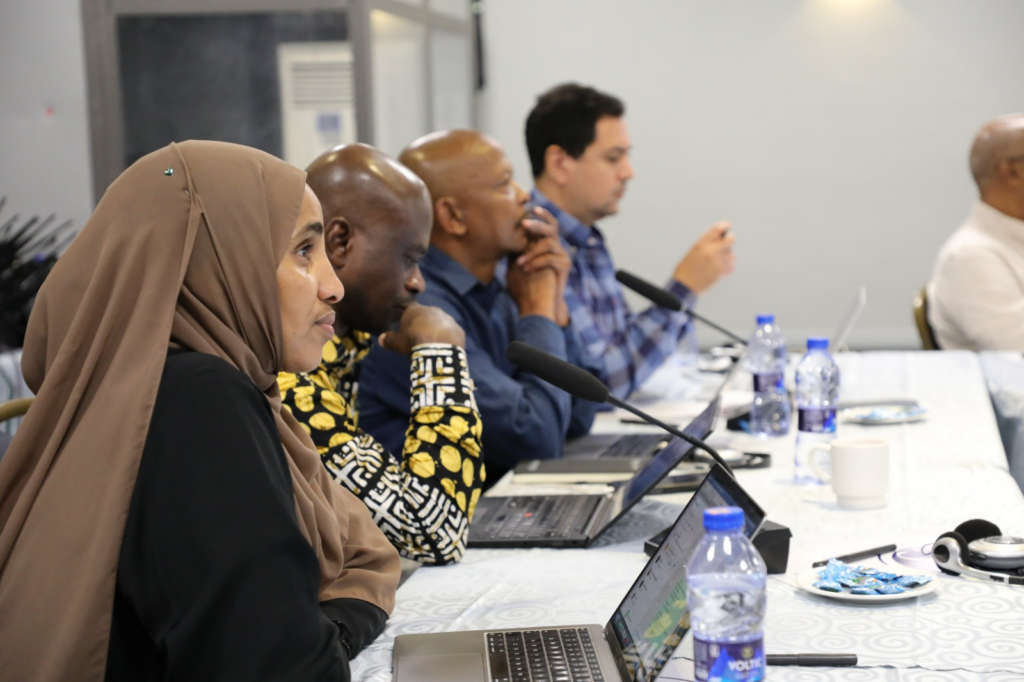
Opening the workshop, Chair of the African Group of Negotiators (AGN) on Climate Change, Nana Dr Antwi-Boasiako Amoah, said the global conversation on just transition had moved from discussions to implementation following COP30 in Belém.
He said the establishment of the JTM had moved the process beyond a “deliberative space” towards a mechanism designed to support implementation through access to finance, technical assistance, capacity-building, knowledge sharing and international cooperation.
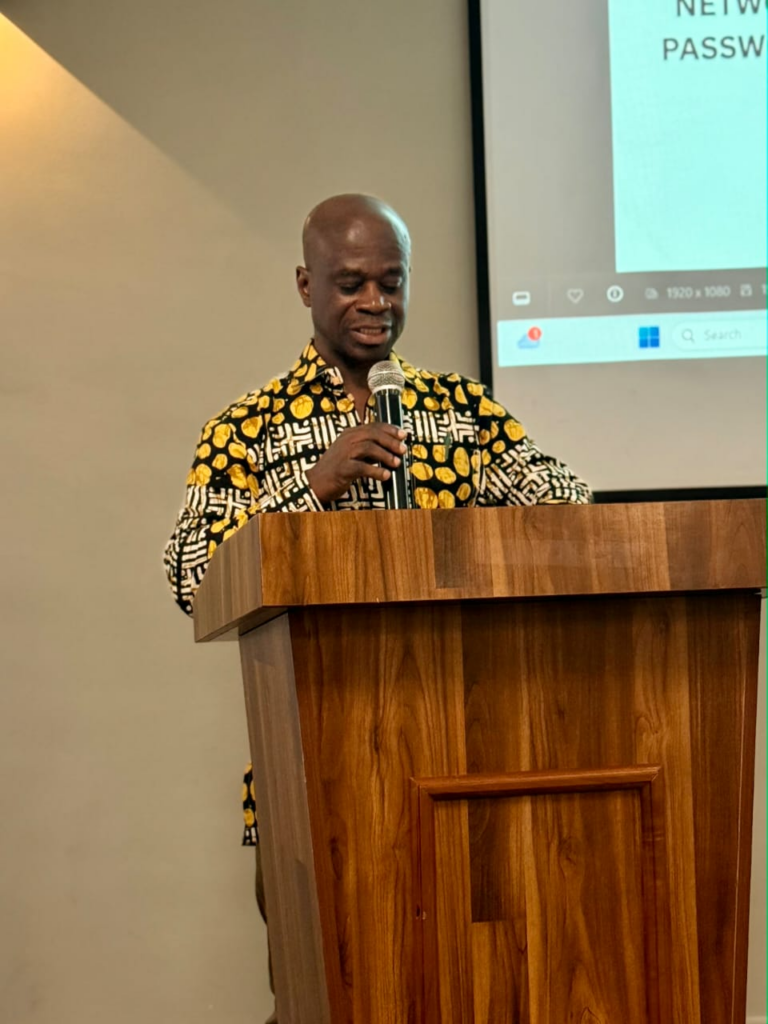
Dr Amoah, however, noted that recent negotiations at SB64 in Bonn had exposed challenges surrounding the ambition and institutional independence of the mechanism.
He therefore urged African negotiators to move beyond broad statements and develop specific proposals that could influence the final negotiating text.
“Ambition alone is no longer enough,” he told delegates. “We now need to translate our broad political positions into concrete and technically sound proposals that can find their way into negotiating text.”
Africa’s development needs
Dr Amoah stressed that Africa’s understanding of a just transition must take into account the continent’s broader development priorities rather than focus narrowly on shifting from one energy source to another.
“For the African Group, just transition must be understood within the context of Africa’s development realities,” he said.
He said the mechanism should support Africa’s industrialisation, economic diversification, decent employment, energy access, climate adaptation and resilience, as well as value addition to the continent’s natural resources.
He also called attention to trade and financing challenges that could affect Africa’s ability to benefit from the emerging green economy.
According to him, Africa risks remaining a supplier of raw materials while other regions capture the green technologies, industries and jobs emerging from the global transition.
He warned that without adequate financing, the JTM could struggle to deliver on its objectives.
“A mechanism without a credible pathway to adequate resources risks becoming an institution with good intentions but limited ability to deliver,” he said.
Push for a unified African position
The African Group of Negotiators is seeking to use the workshop to build consensus around Africa’s priorities and strengthen the continent’s voice in the global climate negotiations.
Dr Amoah urged participants to develop a clear and unified position that reflects the interests and development realities of African countries.
“As we begin, let us keep one fundamental question before us: What kind of Just Transition Mechanism will genuinely deliver for Africa?” he asked.
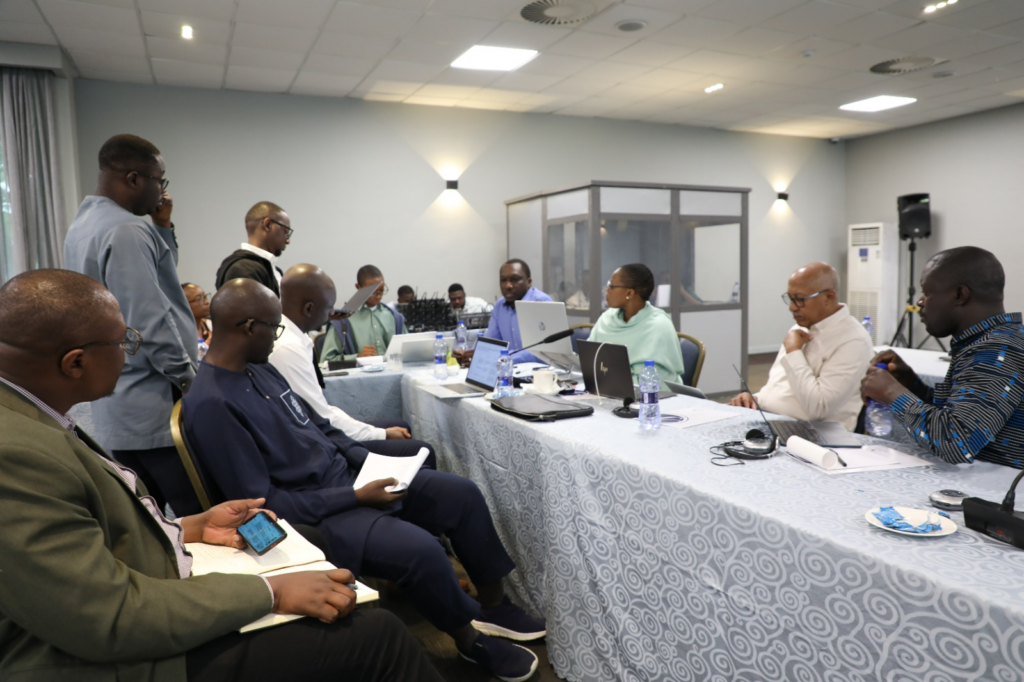
“Our task over these two days is to provide a clear African answer to that question.”
The outcomes of the workshop are expected to be considered by the wider AGN plenary and form the basis of Africa’s formal submissions to the United Nations Framework Convention on Climate Change (UNFCCC).
With COP32 in Ethiopia expected to host the formal launch of the JTM, the discussions in Accra are seen as an important step in shaping Africa’s position on the mechanism and its role in the continent’s climate and development agenda.
The workshop is being organised in partnership with the Office of the Special Envoy for Climate Change of Kenya, with support from Power Shift Africa and the Global Wind Energy Council.
Afenyo-Markin sends strong message to Sammy Gyamfi over GoldBod